
students select an answer from the options provided
We use cookies for site functionality and analytics. Non-essential cookies load only with your consent. See our
Cookie Policy and
Privacy Policy.

TMA provides a modern and dynamic educational infrastructure that supports high-quality medical education at all levels. The Academy implements accredited educational programmes in collaboration with leading affiliated clinics, ensuring that students gain both strong theoretical knowledge and hands-on clinical experience in real healthcare settings from the first academic year. Students benefit from well-equipped teaching spaces, access to clinical training facilities, and active involvement in research and academic processes.

The Examination Centre at Petre Shotadze Tbilisi Medical Academy offers students an organised, modern environment with equal conditions in which to demonstrate their knowledge and skills. The Centre combines clear procedures, academic integrity, and an approach focused on students’ needs.
Assessment is an important part of professional development in medical education. It helps students recognise their achievements, better understand their capabilities, and identify priorities for further learning. The Examination Centre aims to make this process clear and consistent, allowing students to focus on their knowledge, reasoning, and completion of examination tasks.
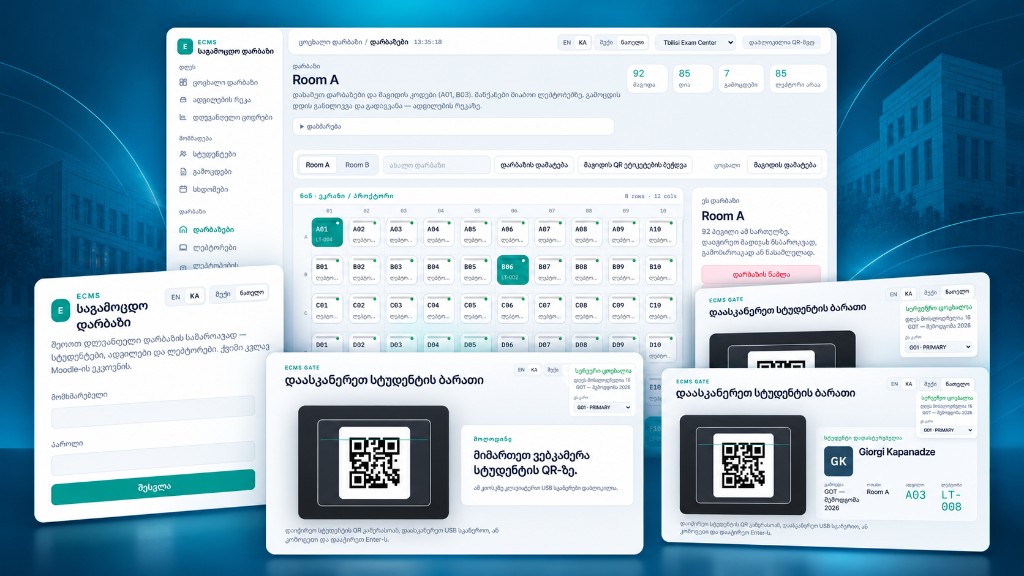
The Examination Centre is equipped with modern computers. Each runs a Linux-based operating system developed by TMA and specifically tailored to the needs of the examination process. The computers are managed centrally, with system updates delivered from a central server. This approach helps maintain a consistent working environment and supports coordinated preparation of the examination area.
The computer environment automatically opens the Academy's Moodle examination platform. Access to other websites, applications, and programs is restricted within the examination environment. This setup helps students concentrate and provides consistent conditions for all examination participants.
The technology is designed to simplify examination procedures. The steps students need to follow are connected, from registration at the entrance to opening the relevant examination at their assigned computer.
Each student has an examination card with a unique QR code. The card is used to register upon entry to the examination area and to open the relevant examination on the computer assigned to that student.
Using the same card at both stages makes the registration process more consistent and straightforward. Students must bring their own examination card and use it both at the entrance and at their assigned workstation.
The Examination Centre hosts examinations in a range of formats, including:
students select an answer from the options provided
students formulate their own answers, demonstrating knowledge, reasoning, and argumentation as required by the task
the ability to apply knowledge and reason through clinical issues is assessed using the relevant format and tasks
selected in accordance with course objectives and the learning outcomes being assessed
This variety allows assessment to be tailored to specific learning objectives and gives students opportunities to demonstrate their preparation through different types of tasks.
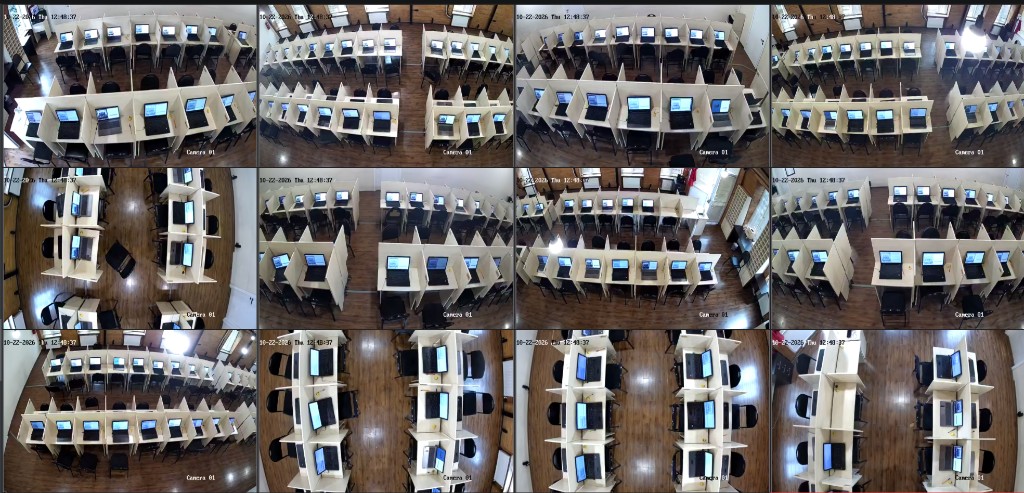
Academic integrity is founded on respect for every student’s effort and achievements. The organisational and technical measures used at the Examination Centre help maintain equal conditions and uphold the reliability of the examination process.
TMA’s Examination Centre is guided by the view that assessment should support learning and professional advancement. Clear procedures, an organised environment, and consistent conditions enable students to demonstrate their preparation with confidence.
Every examination is an opportunity for students to evaluate their progress and plan the next stage of their learning more thoughtfully. In medical education, this experience develops not only knowledge but also responsibility, attentiveness, and the ability to assess one’s own capabilities realistically.