Academics

Faculty Development

Tbilisi Medical Academy offers medical and healthcare-related programs designed to support modern education standards and prepare students for professional careers. Our programs emphasise academic foundation, early clinical training, and thinking, and the practical skills required in healthcare.

News
Meeting with academic and invited faculty members
2026-08-01

Meeting with academic and invited faculty members

About the Department

The Faculty Development Department was established in February 2019, taking into account the results of a SWOT analysis conducted by a TMA working group (a lack of activities supporting the continuous professional development of academic and invited staff, 2017), the recommendation of authorization experts (provide more professional training so educators can strengthen medical teaching skills and administrative management, 2018), and the requirements of the Sectoral Benchmark Statement of Higher Education in Medicine (the need to train educators in medical education methodology).

Aim

The Department aims to support the professional development of academic and invited staff, to ensure high-quality teaching and research, and to support a continuously developing, qualified team that shares the Academy’s mission, its vision for teaching and research, and its institutional culture.

Key areas

01

Medical education methodology

Developing the professional competencies of academic and invited staff in teaching, learning, and assessment. The aim is to improve teaching effectiveness, student-centered approaches, and the quality of the educational process.

02

Research skills

Supporting stronger research competencies among staff, in order to develop research activity and improve academic productivity.

03

Career development and leadership

Supporting career advancement, professional growth, and leadership skills, which strengthens staff potential and fosters a culture of professional responsibility.

04

Field-specific competencies and continuing professional education

Deepening field-specific competencies and professional expertise through the development and delivery of accredited Continuing Professional Education (CPE) credit courses. The Department encourages staff to take an active part in developing these courses and in keeping their professional knowledge current.

Professional development of academic and invited staff
Medical education methodology
Research skills
Field-specific competencies and continuing professional education
Career development and leadership
Student-centered teaching, preparing professionals with evidence-based knowledge, and contributing to the development of Georgian society through research-based activity.
Professional development diagram

Competency framework

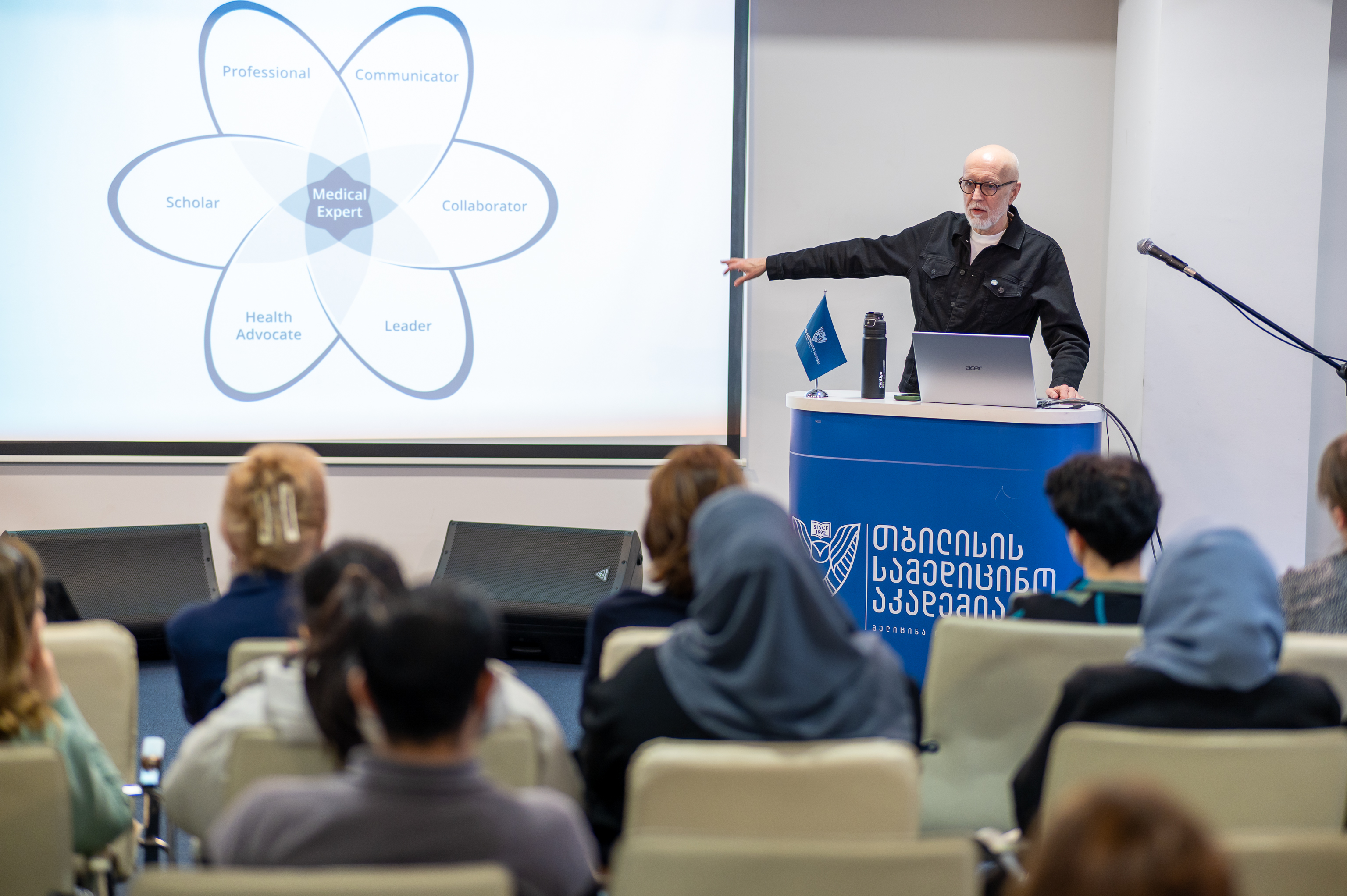
The framework is based on Ronald Harden’s model of the medical teacher’s roles and Yvonne Steinert’s concept of faculty development. It focuses on professional identity formation and on the professionalization of academic staff in five roles.

TMA-FD Framework 2026

Teacher
Educator
Scholar
Researcher
Leader
Five roles: Teacher at the centre, with Educator, Scholar, Researcher and Leader
TMA-FD Framework 2026
Teacher
Educator
Scholar
Researcher
Leader
TMA-FD Framework 2026 — five roles

Who leads the activities

To achieve the competencies in the framework, the Department plans and delivers training, workshops, working meetings, and reflective sessions together with other Academy units. These activities are led by:

Leaders of the Center for Innovations in Medical Education (CIMED), international experts in medical education;

International experts in medical education invited through bilateral cooperation and Erasmus Staff Mobility;

TMA academic staff with many years of teaching and research experience who have completed international training courses in medical education methodology.

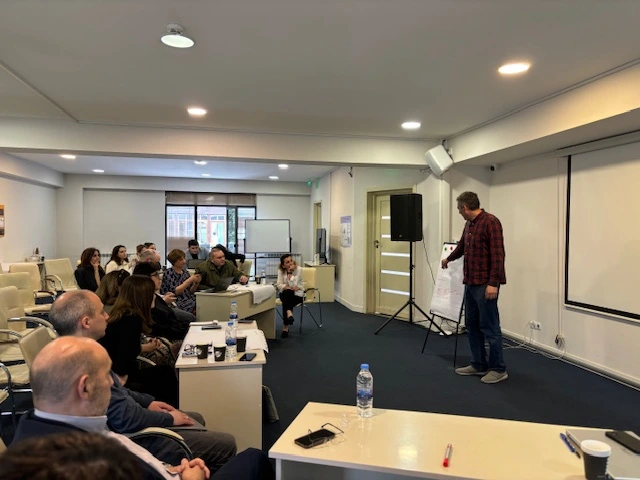
Faculty development workshop
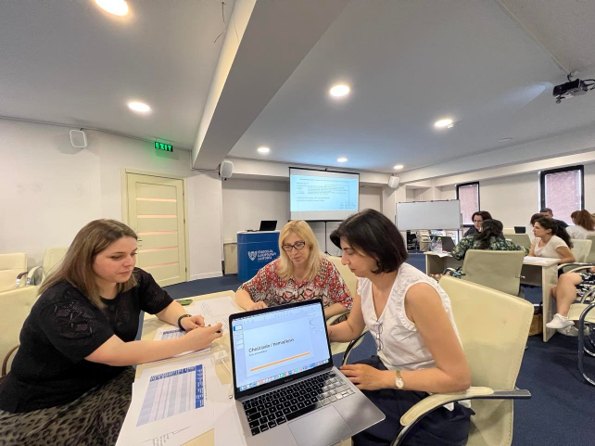
Workshop at the Faculty Development Department

Have you just joined the Academy as a lecturer?

Orientation days

Held at the beginning of each semester.

  • Introduction to the Academy’s history, mission, Code of Ethics, and institutional culture;
  • Introduction to library resources, the laboratory, the Clinical Skills Center, and the Anatomage table;
  • Introduction to the educational programme;
  • Introduction to video resources created by the Academy;
  • Assignment to the person responsible for the relevant course — peer mentoring.

After the training, educators write an analysis of the training.

Have you been working with the Academy for several years?

Mandatory for all academic and invited staff

Core principles of medical education methodology

  • Outcome- and competency-based medical education;
  • The FAIR principle of education (F — Feedback, A — Activity, I — Individualization, R — Relevance);
  • Active learning methods;
  • Assessment in medical education;
  • Syllabus structure and the role of the syllabus in the learning process;
  • Feedback in medical education;
  • Artificial intelligence in medical education;
  • Strategies to support mental health and create a positive academic environment.

After the training, educators complete a post-training assignment.

Training for research skills

  • Principles of academic integrity;
  • Core principles of scientific communication and organizing a research profile;
  • Preparing a project proposal;
  • Core principles of effective research supervision.

Peer coaching

One or two academic staff members observe a colleague’s teaching in a real educational setting and offer constructive, reflection-based feedback against goals agreed in advance. The process is not judgmental. It is focused entirely on the educator’s professional development.

Mandatory for specific groups of staff

  • Teaching, learning, and assessment methods: portfolio, OSCE, OSPE, SOE, MCQ, WPBA (Mini-CEX, CbD, DOPS), CBCR, TBL, and the flipped classroom;
  • Simulation-based learning.

Working meetings — reflective sessions

  • Becoming familiar with the educational programme, integrating courses, and working on integrated cases and assignments;
  • Sharing experience gained at international conferences (lessons learned);
  • Learning about developments in medical education (Journal Club);
  • Reviewing and sharing methodological recommendations;
  • Sharing best practice in teaching;
  • Supporting soft skills and research skills through self-analysis, together with the Research and Doctoral Studies Department and colleagues with the relevant expertise.
Faculty development training session
Training at the Faculty Development Department

Erasmus+ Virtual Exchange

Project VITAL

VITAL — Virtual Innovation and Training for Advancing Faculty Leaders, Digital Competencies, and Research Excellence (GA: 101253516) — is an international strategic capacity-building initiative funded by the Erasmus+ Virtual Exchange programme. TMA takes part as a partner. On the Academy’s side, implementation and coordination are facilitated by the Faculty Development Department and the Research and PhD Department.

VITAL strengthens the professional development of early-career faculty in Georgia and Ukraine in four directions:

  • Career development through soft-skills and academic leadership training;
  • Digital competencies through innovative and AI-supported teaching methods;
  • Research capacity through mentorship, methodology workshops, and co-authorship;
  • European values through inclusive leadership and stronger institutional policies.

The project is coordinated by the University of Santiago de Compostela, Spain. The consortium brings together partners from four countries:

  • Spain — University of Santiago de Compostela;
  • Italy — INFOR Elea Smart Business Academy;
  • Ukraine — Institute of Food Biotechnology and Genomics of the National Academy of Sciences of Ukraine, and Ternopil National Medical University;
  • Georgia — Petre Shotadze Tbilisi Medical Academy and Business and Technology University.

vital-veproject.eu

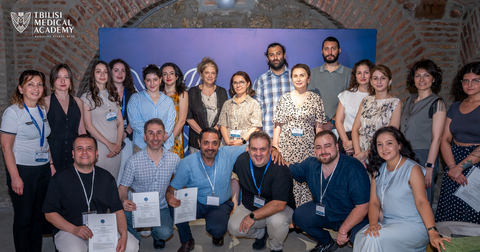
Official launch, February 2026

From 23 to 26 February 2026, Tbilisi Medical Academy hosted the official opening of the project. The four-day meeting marked the coordinated start of this three-year project. VITAL mentors and strengthens early-career faculty at higher education institutions in Georgia and Ukraine in academic leadership, digital pedagogy, and research competencies.

About the launch

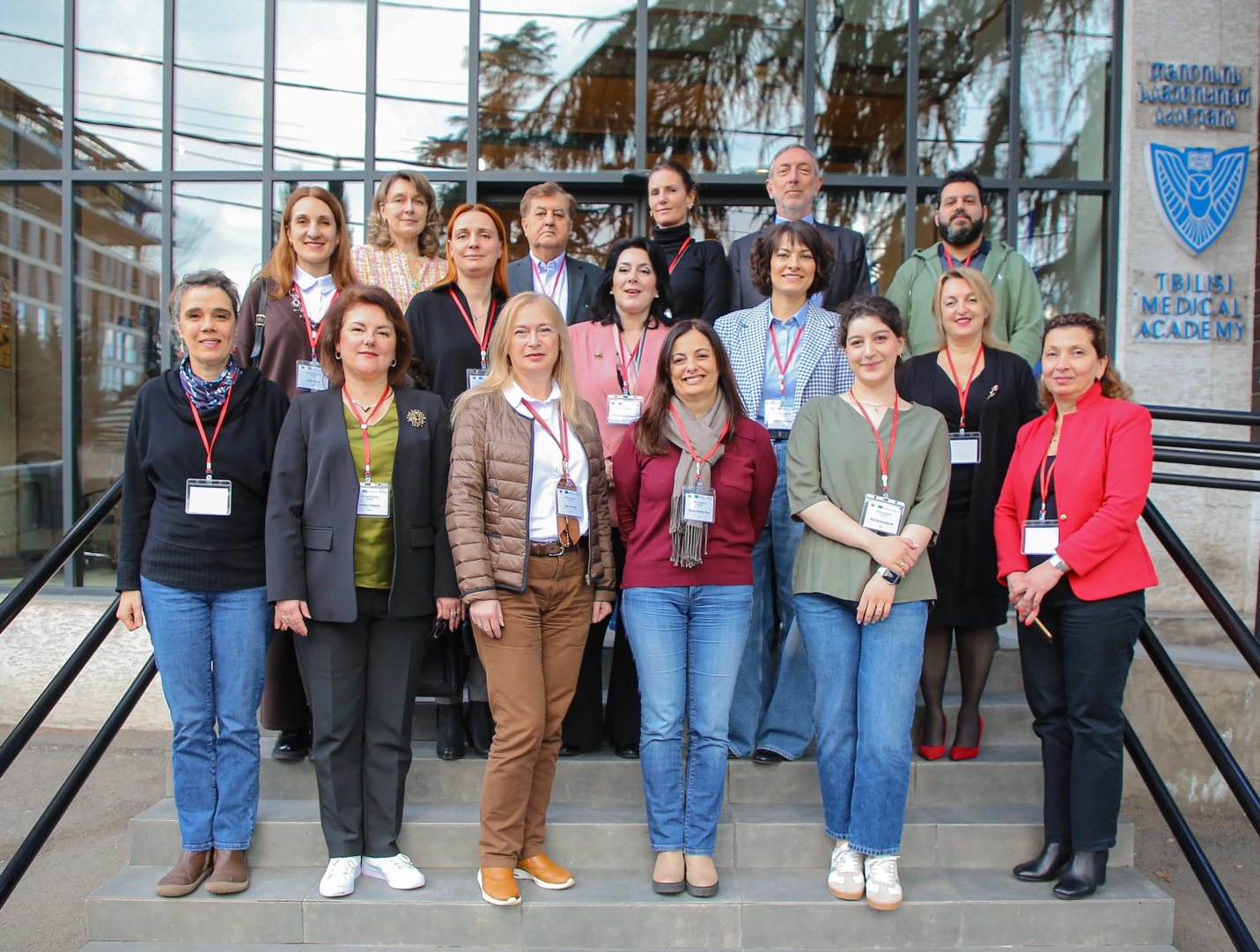
VITAL project participants at Tbilisi Medical Academy
VITAL launch, February 2026

News

AMEE 2025

2025-08-31

AMEE 2025

Tbilisi Medical Academy (TMA) participated in the annual AMEE 2025 conference, the 3 day conference …

Training of Trainers

2025-08-25

Training of Trainers

Prof. Maka Zarnadze, Associate Professor of the Department Microbiology and Head of Faculty Developm…

VOSCE Training Course at TMA

2025-07-18

VOSCE Training Course at TMA

“Digitalized tool for Objective Structured Examination of Clinical Reasoning Skills of Medical Stude…

Public Lecture by Dr. Kiran Pandit (USA)

2025-07-04

Public Lecture by Dr. Kiran Pandit (USA)

A public lecture by an American colleague, Dr. Kiran Pandit (MD, MPH), was held for the academic sta…

TMA Representatives at the EUA Working Group Meeting

2025-06-12

TMA Representatives at the EUA Working Group Meeting

The first working group meeting of the European University Association (EUA) was hosted by the Unive…

Training for Academic and Invited Staff of TMA

2025-04-30

Training for Academic and Invited Staff of TMA

A training week was held at the Academy to promote the development of scientific and research skills…

TMA's Individual and Corporate Social Responsibility (ISR/CSR) Activities

2025-04-08

TMA's Individual and Corporate Social Responsibility (ISR/CSR) Activities

The Academy’s Institutional Culture Development Department along with the Faculty Development Depart…

Basic Principles of Effective Supervision

2025-03-12

Basic Principles of Effective Supervision

A training course on the Basic Principles of Effective Supervision was organized at TMA by the Facul…

AMEE 2025

AMEE 2025

2025-08-31

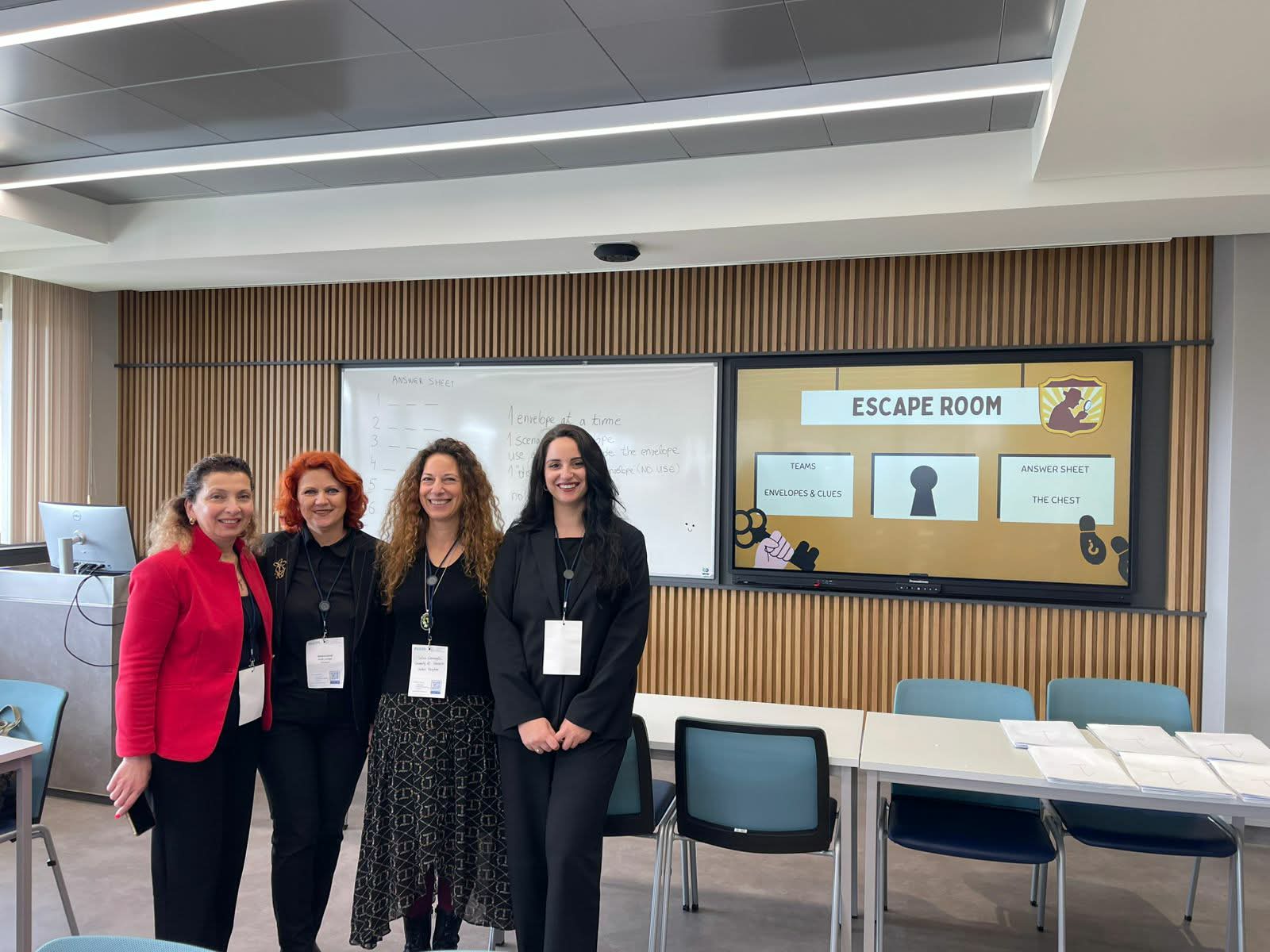
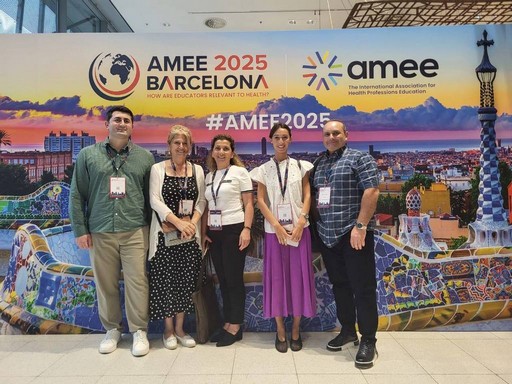
Tbilisi Medical Academy (TMA) participated in the annual AMEE 2025 conference, the 3 day conference which was organized by the Association for Medical Education in Health Profession (AMEE) was held in Barcelona (Spain). The heads of TMA’s educational program, Tsisana Lomashvili and Kakha Bregvadze, the head of the Scientific Research Department, Gela Beselia, the head of the Faculty Development Department, Maka Zarnadze, and the coordinator of the rector's current affairs, Ana Mamiseishvili presented in the conference on behalf of TMA. This event brings together medical education representatives from around the world, and this year up to 4,000 delegates were hosted from across the globe.

The conference provided an opportunity to learn about the latest developments and innovative approaches in medical education, listen to experts from around the world, and at the same time share our own experiences.

The Head of the Faculty Development Department also participated in the 8th International Conference on Faculty Development in the Health Professions (ICFDHP). The emphasis of the conference was placed on the leading role of faculty development in improving teaching quality, exploring possible approaches to faculty development, and highlighting the importance of research in identifying challenges and finding solutions in the field of faculty development.

Training of Trainers

Training of Trainers

2025-08-25

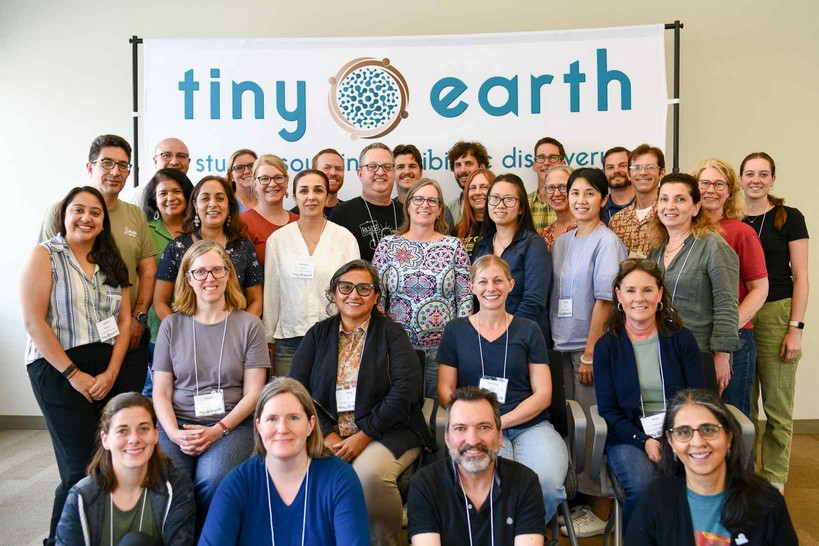
Prof. Maka Zarnadze, Associate Professor of the Department Microbiology and Head of Faculty Development Department at Tbilisi Medical Academy, participated in the Tiny earth Instructor Training – Trainers of Trainers Program that took place in Madison, Wisconsin (USA). This advanced training program is of great importance as it focuses on developing pedagogical excellence, leadership capacity, and the ability to train future teachers. 

The training program's focus on microbiology and the polarization of science is particularly important. Participants in this meeting presented different, complex scientific issues to a wide audience in an understandable and interesting way. This is central to fostering scientific literacy, public perception of research, and encouraging future generations to engage in scientific research.


VOSCE Training Course at TMA

VOSCE Training Course at TMA

2025-07-18

“Digitalized tool for Objective Structured Examination of Clinical Reasoning Skills of Medical Students” - a four-day training course - VOSCE (virtual OSCE) was held at TMA.

The course was intended for anyone with a medical background, regardless of their experience. It was essential for those involved in teaching and assessing students.

The training was attended by 20 participants from various universities of Georgia (Petre Shotadze Tbilisi Medical Academy, Agricultural University of Georgia, Akaki Tsereteli State University, Georgian American University, Georgian National University SEU). In addition, representatives from Yerevan State Medical University after Mkhitar Heratsi and Bukhara State Medical Institute participated in the training.

In addition to familiarizing themselves with the theoretical material, the participants of the training had the opportunity to participate in a simulated digital exam at the TMA Examination Center, as well as to attend an objectively structured clinical exam at the Academy’s Clinical Skills Center.

The participants of the training were given the opportunity to work in groups on the structure of clinical cases to assess the clinical reasoning of the students.

The training course was prepared by TMA professors (specialists in medical education) based on the experience of the EU-funded project - SAFEMED+ Simulation in Undergraduate MEDical Education for Improvement of Safety and Quality of Patient Care. The goal of the SAFEMED+ project was to improve the quality of medical education, modernize the teaching of clinical skills, and introduce them into the curriculum.

The training program was accredited by the European Accreditation Council of Continuous Medical Education (EACCME®) and was awarded 15.5 credit points. Upon completion of the four-day training, participants were awarded a certificate with the corresponding EACCME credit points.

Public Lecture by Dr. Kiran Pandit (USA)

Public Lecture by Dr. Kiran Pandit (USA)

2025-07-04

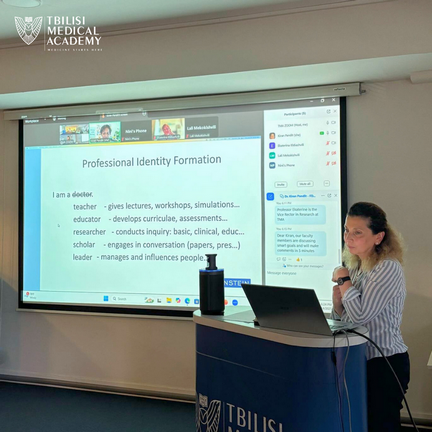
A public lecture by an American colleague, Dr. Kiran Pandit (MD, MPH), was held for the academic staff of Tbilisi Medical Academy (TMA). The meeting took place online, and its main topic was Beyond Student Evaluations of Teaching and Educator Portfolios: A Multisource, Longitudinal System for Evaluating Teaching. The presentation focused on a multisource and long-term approach to evaluating teaching.

During the meeting, Dr. Pandit delivered a presentation in which he emphasized that student evaluations should not be the sole method for assessing academic staff and the teaching process. He shared his experience with alternative methods for evaluating teaching quality and presented concrete, practical examples. Special attention was given to the importance of fostering and developing a teacher’s professional identity within the academic environment.

Dr. Kiran Pandit is the Vice Dean for Faculty Development at Albert Einstein College of Medicine, New York, USA. He has extensive experience in medical education, faculty development, and innovative curriculum design. He also leads institution-wide initiatives related to the assessment and evaluation of health professions education. Dr. Pandit is a frequent participant in international conferences. His collaboration with TMA academic staff began last year during a similar event; the AMEE 2024 conference.

The working meeting with the American colleague was organized by the Faculty Development Department of Tbilisi Medical Academy.

TMA Representatives at the EUA Working Group Meeting

TMA Representatives at the EUA Working Group Meeting

2025-06-12

The first working group meeting of the European University Association (EUA) was hosted by the University of Côte d’Azur in Nice, France.

The aim of Learning & Teaching Thematic Peer Group on Staff Development and Transnational Collaboration is to address the challenges and share best practices in supporting staff development in teaching and learning at European universities. Additionally, the group seeks to develop a framework for transnational cooperation focused on staff development.

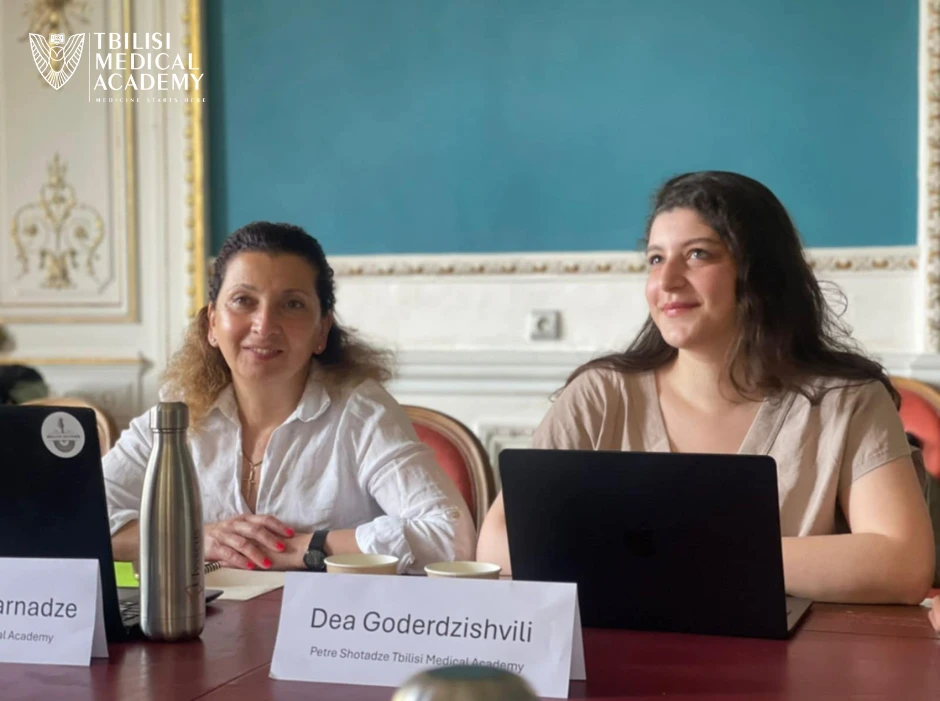
Tbilisi Medical Academy (TMA) is represented in the EUA thematic working group by the Head of the Faculty Development Department, Associate Professor Maka Zarnadze, and Specialist in Medical Education and Research, Dea Goderdzishvili.

Participation in this thematic working group provides TMA with the opportunity to gain insights into staff development practices at European universities, as well as to share its own experience in this area. Through this collaboration, TMA actively contributes to the development of EUA policy—particularly in enhancing the quality of teaching and learning through staff development, in alignment with the goals of the Bologna Process.

The EUA working group consists of 20 representatives from 10 European universities, including institutions from Sweden, the United Kingdom, France, Austria, Spain, Kosovo, Albania, Armenia, and Ukraine.

The outcomes of the thematic group's work will be presented at the EUA Annual European Forum, which will be held in Lisbon in February of 2026.


Training for Academic and Invited Staff of TMA

Training for Academic and Invited Staff of TMA

2025-04-30

A training week was held at the Academy to promote the development of scientific and research skills of the academic and invited staff of the Tbilisi Medical Academy:

Presentation of TMA PHD programs and the scientific potential of the Academy - The heads of PHD programs, Dr. Ekaterine Kldiashvili and Dr. Gia Kamkamidze, presented the doctoral programs: “Medical Sciences” and “Public Health” to the meeting participants. Dr. Gela Beselia, Head of the Scientific Research and PhD Department, spoke about the scientific potential of the Academy. The speakers answered the questions of the meeting participants.

Training - Principles of Academic Integrity - The participants of the meeting discussed the issues of academic integrity, which are important for the development of the research component of the institution and also for the scientific career of a specific individual, using specific case examples, and represent a serious challenge in the era of artificial intelligence (AI).

Training - Basic Principles of Effective Scientific Communication - The participants of the meeting discussed the basic principles of scientific communication, using specific case examples. The rules for selecting a scientific journal and important issues in preparing a scientific publication.

Workshop - Research in the field of medical education methodology - It was noted at the meeting that research in the field of medical education methodology is important to promote evidence-based teaching and assessment in academia and, accordingly, to ensure high-quality teaching and the formation of graduates as professionals (fit purpose). The meeting was held in the form of group work, where participants selected and formulated a research/scientific question, methodology, and the significance of the results of the topic, and received feedback from colleagues and the Vice-Rector on the direction of the research. A follow-up meeting was also planned, where participants presented the results of the literature review and the research plan around the chosen topic.

The activities were organized by the Scientific Research and PhD Department and Faculty Development.

TMA's Individual and Corporate Social Responsibility (ISR/CSR) Activities

TMA's Individual and Corporate Social Responsibility (ISR/CSR) Activities

2025-04-08

The Academy’s Institutional Culture Development Department along with the Faculty Development Department organized a workshop on the topic of Individual and Corporate Social Responsibility.

The workshop aimed to introduce the ISR/CSR activities that TMA's Institutional Culture Development Department implements.

The workshop was attended by academic and invited lecturers, students, graduates, and administration representatives.

Within the framework of the workshop, Dr. Maka Maglakelidze, Head of the Institutional Culture Development Department, introduced the role of the Academy in society beyond education and research to the participants. She spoke about the past and ongoing social projects being implemented by TMA, which became a source of inspiration for them to plan future ideas for projects.

The participants, united in groups, jointly developed creative ideas and presented interesting project concepts for social and cultural development.


Basic Principles of Effective Supervision

Basic Principles of Effective Supervision

2025-03-12

A training course on the Basic Principles of Effective Supervision was organized at TMA by the Faculty Development Department and the Scientific Research and PhD Department of the Academy. 

The training program was based on the Training of Trainers organized by The Organization for PhD Education in Biomedicine and Health Sciences in the European System (ORPHEUS), which was attended by TMA staff members.

“Quality in Doctoral Education, Creation of Training Programs for Scientific Supervisors” - this is the name of the training in which the TMA delegates actively participated in, during the period of 29.09 -3.10.2024, in Dubrovnik (Croatia).

The goal of the training was to support scientific supervisors so that they could facilitate the career development of students and researchers.

Within the framework of the meeting, many issues were discussed, among which:

-The rights and obligations of scientific supervisors

-The main challenges of scientific ethics and communication

-The importance of correct communication between a student and a scientific supervisor 

-The main principles of effective feedback

-Signs of stress and burnout of a student or researcher, which was discussed through interactive relevant cases. 

-The importance and approaches of supporting the mental health of a student/researcher and creating a positive academic environment by the scientific supervisor.

The above-mentioned topics were presented at the training by the Head of the Faculty Development Department, Associate Professor Maka Zarnadze, Medical Education and Research Specialist Dea Goderdzishvili, Associate Professor Manana Loladze, Coordinator of TMA Students' Scientific Research Activities Saba Iordanishvili, Librarian Luba Pogosova, and the Head of Student Consulting Service Mariam Matchavariani.

The training was attended by the heads of TMA doctoral programs, Vice-Rector in Research Ekaterine Kldiashvili, Head of the Scientific Research and PhD Department Gela Beselia, and TMA staff.

The program will be improved based on the feedback received from the participants of the pilot training course, and starting in 2025, training courses will be conducted regularly and mandatory for personnel involved in the implementation of the doctoral programs.
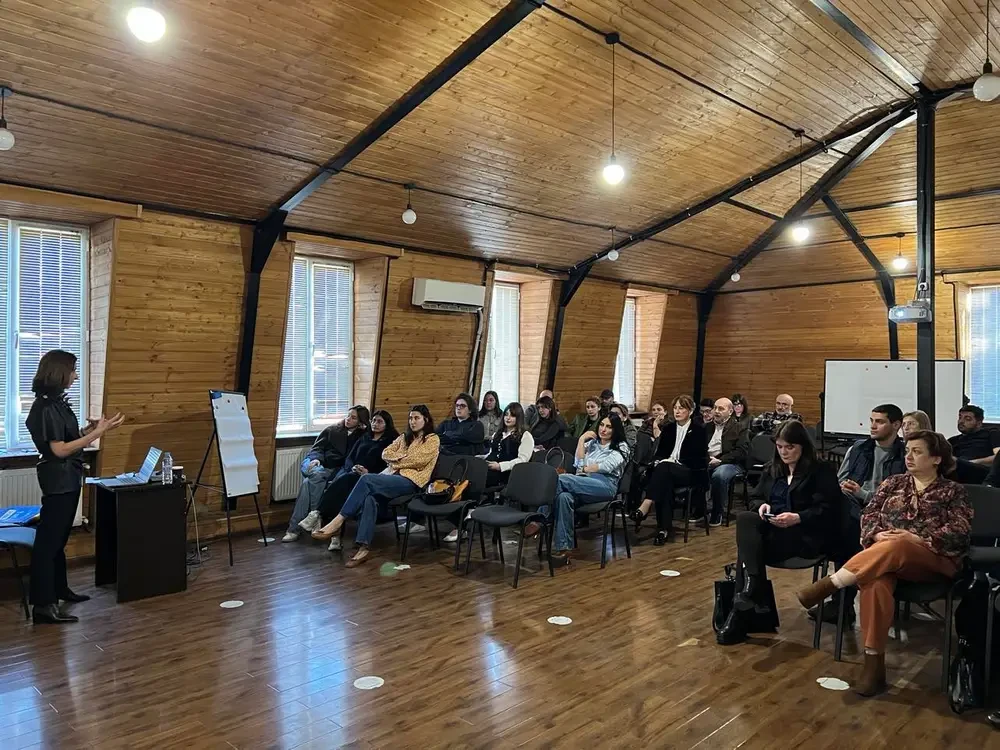
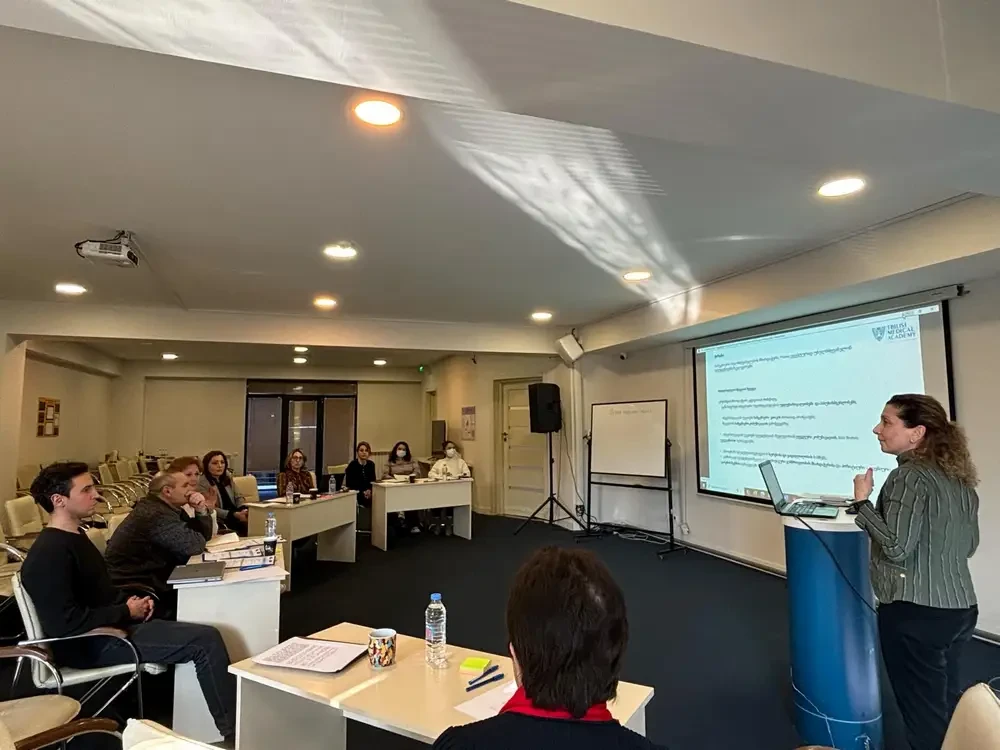
Meeting with academic and invited faculty members

Meeting with academic and invited faculty members

2026-08-01

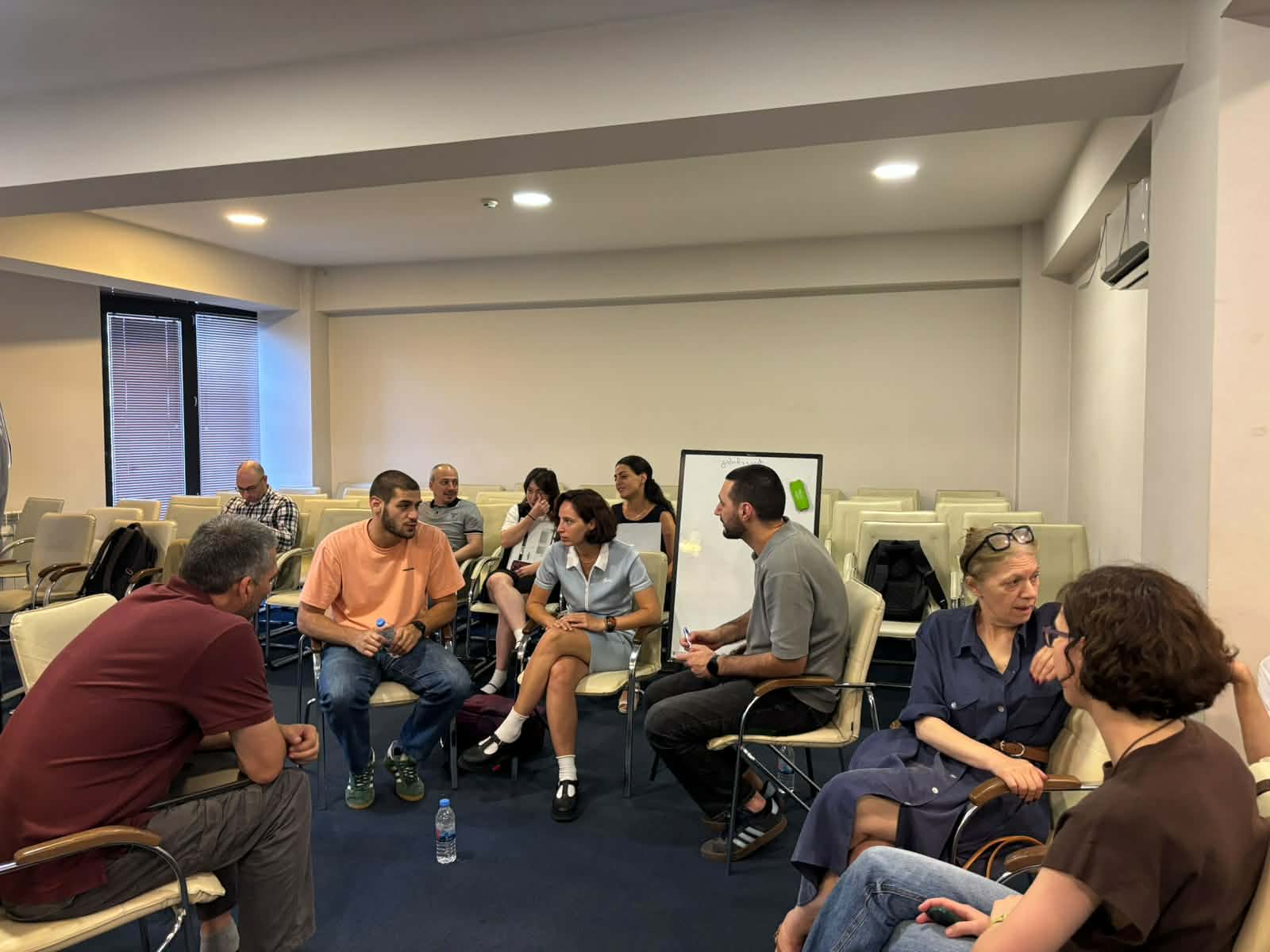
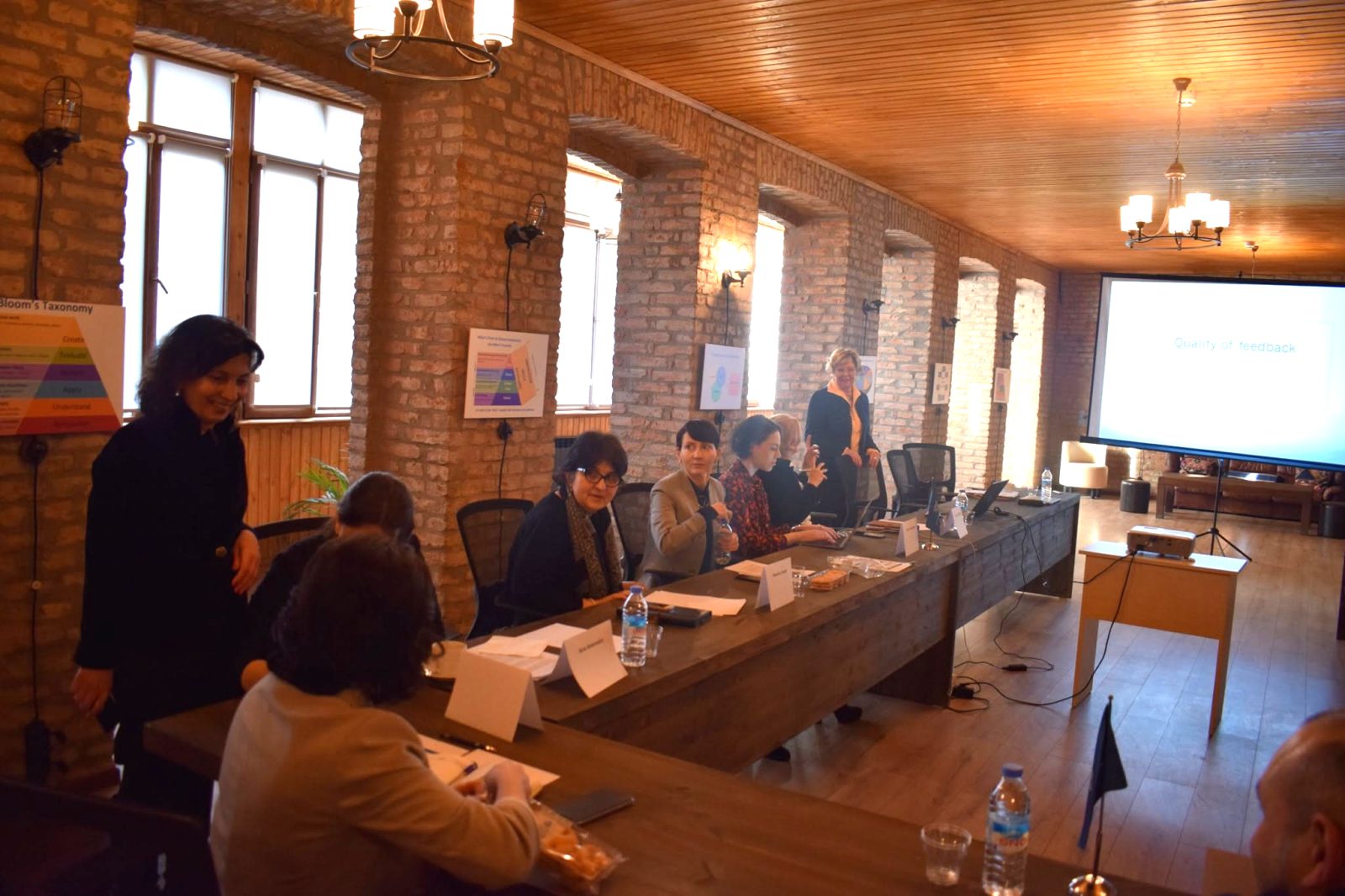
TMA Faculty Development Department organized a working meeting with academic and invited faculty members.

The purpose of the meeting was to reflect on and share experiences gained during the first year of implementing the lecture-free curriculum and to discuss its achievements, challenges, and future opportunities.

During the meeting, faculty members had the opportunity to openly reflect on their own experiences, share successful practices, discuss existing challenges, and collaboratively explore ways to further improve the program. The exchange of experiences among colleagues facilitated the sharing of new ideas, effective teaching strategies, and practical solutions.

During the meeting, the Quality Assurance Office presented an analysis of the lecture-free curriculum based on student feedback and the results of focus groups conducted with course leaders.

The reflective meeting was attended by the head of programmes and the Dean, who actively participated in the discussions, listened to the experiences and perspectives of the academic staff, and provided valuable feedback.

The program directors emphasized that such meetings and reflective practice are essential for strengthening collaboration among faculty members, successfully implementing educational innovations, and continuously improving the quality of teaching.


The Research Day

The Research Day

2026-07-14

Tbilisi Medical Academy hosted The Research Day, an academic event dedicated to showcasing the institution's ongoing research activities, recent scientific achievements, and the outcomes of international collaborative projects.

The event aimed to promote research excellence, strengthen academic collaboration, and foster a vibrant research culture within the Academy. It provided academic staff with an opportunity to learn about one another's current research projects, exchange ideas, discuss future collaborations, and explore opportunities for developing joint research initiatives.


The Research Day program featured presentations on the following topics:

  • The application of artificial intelligence in laboratory diagnostics
  • Liposomal encapsulation and delivery of bacteriophages
  • Cancer biomarker research
  • Artificial intelligence-supported teaching in preclinical medical education
  • Current Erasmus+ projects at Tbilisi Medical Academy


Through its research projects TMA encourages knowledge exchange, interdisciplinary collaboration, and the continued advancement of its scientific and research capacity.

Strengthening Capacity Through AMEE Medical Educator Certification

Strengthening Capacity Through AMEE Medical Educator Certification

2026-07-14

We are delighted to announce that another cohort of TMA staff members has successfully completed the Essential Skills in Medical Education (ESME) certification program, offered by the International Association for Health Professions Education (AMEE).


After successfully completing four AMEE training courses, the following TMA representatives were awarded the internationally recognized Medical Educator status:


  • Ia Avaliani - Vice Rector In International Affairs
  • Kakha Bregvadze - Co-Head of the One-Step Educational Programme
  • Bidzina Chachkhiani - Deputy Head of the Quality Assurance Office
  • Ana Mamiseishvili -Coordinator of the Rector's Current Affairs
  • Ina Leshkasheli - Study Process Management Coordinator


Tbilisi Medical Academy remains committed to supporting the continuous professional development of its academic and administrative staff in the field of medical education. The ESME (Essential Skills in Medical Education) programme, developed by AMEE, represents an important milestone in strengthening educational expertise and promoting excellence in teaching.


Participation in this internationally recognized programme also plays a significant role in advancing TMA's integration into the European Higher Education Area by aligning educational practices with internationally accepted standards.

The training courses were organized by the Georgian Regional Office of AMEE.

The European University Association’s (EUA) Thematic Peer Group has published a “Staff Development and Transnational Cooperation” report

The European University Association’s (EUA) Thematic Peer Group has published a  “Staff Development and Transnational Cooperation” report

2026-05-05

Within the framework of this initiative, Associate Professor Maka Zarnadze, Head of the Faculty Development Department, and Dea Goderdzishvili, Medical Education and Research Specialist, represented Tbilisi Medical Academy (TMA) in the peer group and collaborated with European universities. 

The report summarizes the results of intensive cooperation carried out by TMA over the course of one year. In particular, it highlights best practices in the teaching and learning model that TMA implements for staff development. The report aims to bring together universities from across Europe, create a platform for sharing experiences, and foster the development of joint visions to enhance the quality of education.

This cooperation is particularly valuable as it generates mutual benefits. On the one hand, the Academy actively participates in the European University Association's activities and shares its experience. On the other hand, it adopts the best international practices and further strengthens its integration into the European Higher Education Area.

The recommendations and practical framework developed as a result of this year-long collaboration contribute to strengthening transnational cooperation and supporting the effective implementation of staff professional development across European higher education institutions.

The thematic peer group includes the University of Huelva (Spain), the University of Côte d’Azur (France), the University of Warwick (United Kingdom), among others. The group was led by Linköping University (Sweden). The coordinator of the working group is Jonas Leschke, Head of Unit for Strategic Teaching Projects, Ruhr University Bochum (Germany).


CIMED Experts Help TMA Strengthen Curriculum Integration and Clinical Training

CIMED Experts Help TMA Strengthen Curriculum Integration and Clinical Training

2026-04-01

Tbilisi Medical Academy (TMA) hosted a working visit by the Heads of the Curriculum Innovations in Medical Education Department (CIMED), Professors Joke Denekens and Herman Van Rossum (Antwerp, Belgium).

During the visit, the Belgian experts met with TMA’s administrative, academic, and invited personnel. Together, they reviewed key challenges in both basic and clinical courses education and discussed practical solutions. The experts emphasized the need to strengthen curriculum integration. They recommended improving horizontal integration by incorporating psychosocial and behavioral sciences into clinical reasoning sessions. They also highlighted the importance of vertical integration to ensure the continuous development of professional competencies from basic sciences through clinical training. In addition, participants discussed ways to improve the quality and effectiveness of clinical rotation overall.

The experts met with semester coordinators and shared international best practices for efficient academic process coordination.

They also attended clinical training seminars and provided professional feedback to clinicians.

In addition, Professors Denekens and Van Rossum delivered a training session for clinicians titled “Learning, Teaching and Assessment in Clinical Courses.” They also attended a workshop on Workplace-Based Assessment (WPBA) led by the program’s Clinical Co-Director, Kakha Bregvadze.

The sessions were held in an interactive format, encouraging active participation from clinicians. This approach enabled in-depth discussion of key challenges in clinical education and supported the exchange of effective teaching and assessment strategies.


The official launch of the VITAL project

The official launch of the VITAL project

2026-03-04


https://youtu.be/8nIm6THNy1U?si=dTwKnF6_hS-JCBFu

Petre Shotadze Tbilisi Medical Academy (TMA) is proud to serve as a partner and host of the official Kick-Off Meeting (KoM) of the Erasmus+ Virtual Exchange Project VITAL – Virtual Innovation and Training for Advancing Faculty Leaders, Digital Competencies, and Research Excellence.

VITAL aims to strengthen the professional development of early-career faculty in Georgia and Ukraine by focusing on 4 main objectives:

  • Supporting career development through soft skills and academic leadership training;
  • Improving digital competencies through innovative and AI-supported teaching methods;
  • Strengthening research capacity through peer mentorship, methodology workshops, and co-authorship opportunities;
  • Promoting European values through inclusive leadership and improved institutional policies.

The four-day meeting, held at TMA marked the official launch of this three-year project, lays the foundation for a coordinated start of the project, and supports its successful implementation.

VITAL is implemented by an international consortium bringing together partner universities from Spain (University of Santiago de Compostela), Italy (INFOR Elea Smart Business Academy), Ukraine (Institute of Food Biotechnology and Genomics, National Academy of Sciences of Ukraine - IFBG, Ternopil National Medical University, Ukraine - TNMU), and Georgia (Petre Shotadze Tbilisi Medical Academy - TMA, Business and Technology University - BTU).

Within the project, TMA participates as a partner organization, and its implementation and coordination on behalf of the Academy are facilitated by the Faculty Development Department and the Research and PhD Department, ensuring strong institutional engagement.


Polish Delegation at TMA

Polish Delegation at TMA

2026-02-23

Within frames of Erasmus+ Staff Mobility Programme, TMA hosted the Head of the Centre for Medical Education of Lodz Medical University (Poland), Prof. Janusz Janczukowicz alongside his colleagues, in order to share their expertise and knowledge with the students and staff of TMA.

Throughout the visit, the guests presented impressive insights in defining and teaching Medical Professionalism, innovative methods in immunology and trauma informed care/education. Alongside interactive lectures, workshops were implemented around the topics of leadership and doctor-patient communication. The visit also included productive meetings with the administrative and academic staff of TMA, where best practices and current experiences were shared around planning and implementing medical professionalism in the curricula. The parties also discussed potential areas of prospective cooperation and established grounds for joint activities.

Alongside these topics, part of the visit was directed to the one-health approach and topics of planetary health. 

It was an honor and pleasure to host the colleagues from Poland and TMA looks forward to further cooperation opportunities that will involve joint scientific, research and transdisciplinary activities.


EUA Annual Forum

 EUA Annual Forum

2026-02-16


The annual forum of the European University Association (EUA) was hosted this year by Lisbon, Portugal. The main theme of the forum was to enhance the quality of teaching and learning in European universities through staff development.

Within the framework of the meeting, Tbilisi Medical Academy was represented by Associate Professor Maka Zarnadze, Head of the Faculty Development Department, and Ana Mamiseishvili, Coordinator of the Rector’s Current Affairs. Together with European partner universities, the Academy’s representatives presented to the forum participants the results of a one-year work of the European University Association’s thematic working group. In particular, they facilitated a workshop dedicated to transnational cooperation in the field of staff development.