Recent Erasmus+ mobility experiences in Türkiye and the Netherlands have given TMA faculty members firsthand exposure to new approaches in clinical education, assessment, research, and emerging medical technologies, while opening new opportunities for institutional collaboration.
Learning from Atatürk University
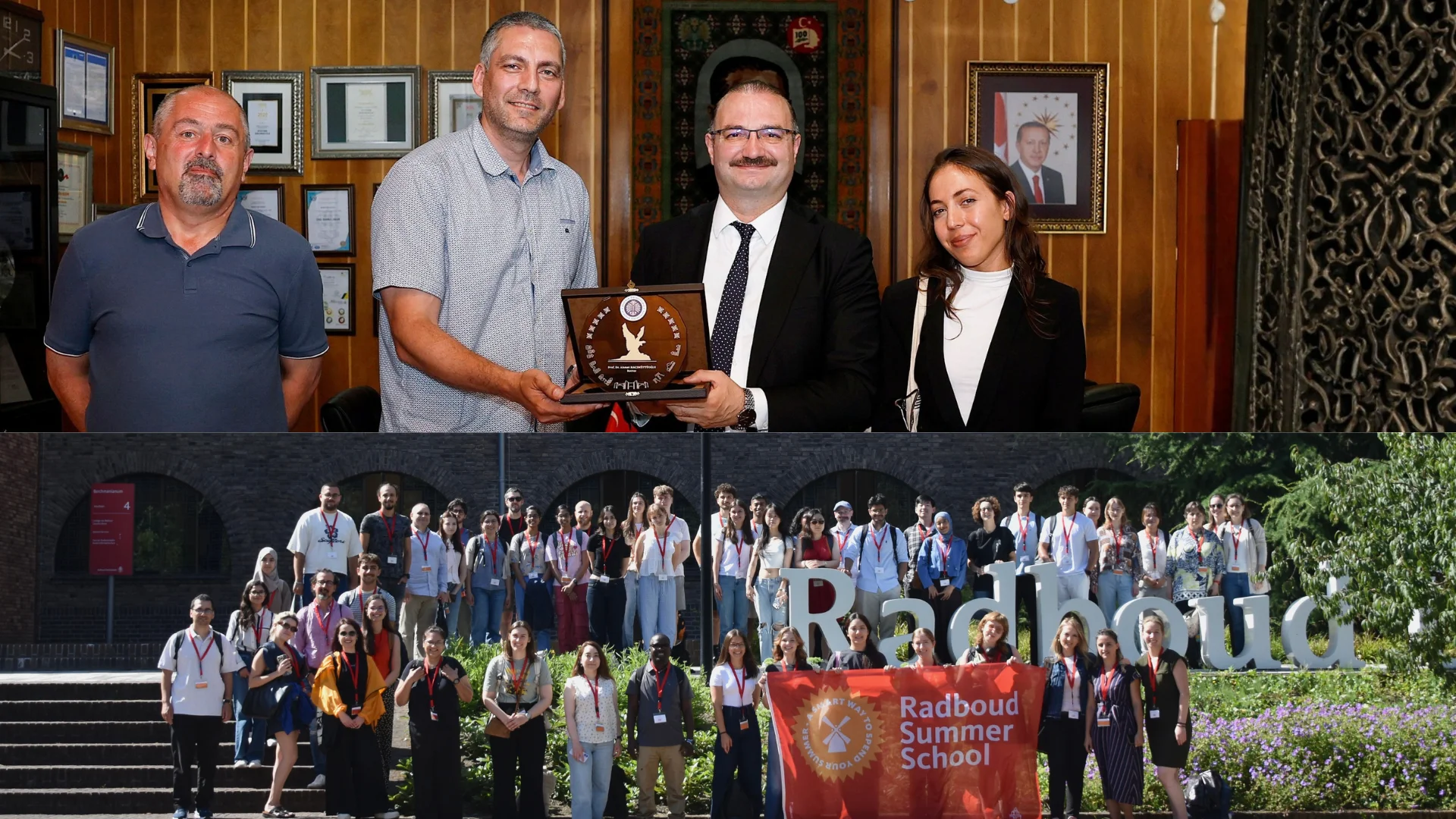
As part of the Erasmus+ Staff Mobility program, Prof. Vakhtang Deisade, Head of Centralized Examination at TMA and Mariam Tvaladze, Coordinator of Clinical Teaching at TMA, visited Atatürk University in Erzurum, Türkiye.
Their visit combined institutional meetings with first-hand observation of medical education and clinical practice. They met with Prof. Dr. Ahmet Hacımüftüoğlu, Rector of Atatürk University, Prof. Dr. Meltem Alkan Melikoğlu, Dean of the Faculty of Medicine, and Prof. Dr. Ayşenur Dostbil, Vice Dean, as well as members of the university's academic and administrative teams.
Discussions focused on expanding cooperation in student and staff mobility, education, and research. Meetings with the university's curriculum committee and international relations representatives also provided an opportunity to exchange approaches about academic coordination and curriculum development.
The visit also had a direct connection to TMA students. The team visited Atatürk University Research Hospital, where they met administrators and physicians and explored the clinical environment in which TMA students are expected to undertake practical training through an exchange program.
Exploring the Future of Neurotechnology
TMA's faculty development activities also extend into emerging areas of medicine.
As part of Erasmus+ mobility, Prof. Gela Beselia, Dean of TMA, participated in the intensive international course Inside Neurotech: Patient Journeys and Real-World Impact.
The program brought together clinicians, neuroscientists, engineers, bioethicists, and industry representatives to explore the growing impact of neurotechnology on patients and healthcare. Topics included deep brain stimulation, cochlear implants, peripheral nerve stimulation, epilepsy neuromodulation, and brain-computer interfaces.
Combining lectures and practical demonstrations with direct engagement with patients and neurotechnology users, the course offered a deeper understanding of both the science behind these technologies and their ethical, clinical, and real-world implications.
Through Erasmus+ and its growing network of international partners, TMA is continuing to build a faculty culture that looks beyond borders, learns from international experience, and brings that experience home to strengthen medical education.