We use cookies for site functionality and analytics. Non-essential cookies load only with your consent. See our
Cookie Policy and
Privacy Policy.

The research component is a priority of the institutional development of Petre Shotadze Tbilisi Medical Academy (TMA). Its aim is to support the development of research skills and the implementation of research activities by academic staff, young scientists and students, and to integrate the research component into the educational process. To achieve this, TMA runs the grant programme “Facilitation of Scientific-Research Activities”. Doctoral programmes, nationally and internationally funded research projects, science popularisation activities and scientific events are also carried out.
TMA runs the grant programme “Facilitation of Scientific-Research Activities”. It funds research projects by staff, early-career researchers and students, and also supports the publication of scientific papers.
The institution has a Scientific Granting Committee. It is a collegial body that, under the procedures set by the grant programme, evaluates submitted research projects and monitors their implementation. The committee also takes part in “Science Management”, which means the strategic planning, coordination and oversight of research projects, programmes and initiatives.
In this regard, TMA’s membership of the Coalition for Advancing Research Assessment — CoARA is important. CoARA is a global initiative. It aims to reform research assessment systems by moving away from rigid quantitative criteria alone (for example, publication counts and impact factor only) toward qualitative, substantive and impact-oriented evaluation. Joining the coalition confirms that TMA’s research activities are carried out in line with international standards and principles of academic integrity. This approach supports a transparent, development-oriented environment harmonised with European expectations, in which the researcher, the innovativeness of their work and its societal impact are assessed objectively.
Equally important is planning and conducting research in line with ethical norms applicable in Georgia and internationally. For this purpose, TMA has a collegial body — the International Bioethics Committee. It is a full member of the International Chair in Bioethics (ICB). The International Chair in Bioethics (ICB) was established in 2001 as a joint initiative of UNESCO and the University of Haifa. Its creation followed large-scale studies in 1996 and 2001 that showed inadequate teaching of ethics in medical schools to be one of the main reasons for deterioration in the doctor–patient relationship. In response, ICB set out to coordinate an international network of educational institutions in medical ethics, sharing best practice and supporting ethics teaching by building a network of its own units in academic institutions across countries. After the UNESCO agreement expired, the International Chair in Bioethics operated as an independent international organisation, and in 2022 it signed a strategic cooperation agreement with the World Medical Association (WMA).
Research projects are one of the most important instruments for developing TMA’s research potential. The implementation of innovative projects and the comprehensive analysis of their results are precisely the factors that create new knowledge and ensure the continuous progress of science.
Tbilisi Medical Academy’s “Micro World” project has been selected as a winner of the Shota Rustaveli National Science Foundation of Georgia’s Targeted Grant Competition for the Popularization of Science.
The “Micro World” project aims to raise public awareness on the topic of antibiotic resistance and promote science through participants conducting an independent, thematic research experiment.
As part of the project, X–XII grade high school students will attend popular science lectures, and learn about the challenges related to antibiotic resistance, biosafety principles, and methodological guidelines of safe laboratory practice. They will then independently conduct a research experiment in the Lab of Tbilisi Medical Academy. Their study will aim to collect soil samples from different ecosystems, isolate microorganisms, and assess their potential antibacterial activity.
The project is based on the international educational and research initiative Tiny Earth (University of Wisconsin–Madison, USA), which is implemented in more than 30 countries and aims to combat antibiotic resistance while motivating young people to engage in research activities within STEM.
The project builds on the experience gained by TMA staff in the microbiology departments of the University of Santiago de Compostela (Spain) and the University of Wisconsin (USA).
The project’s international consultant is María Trinidad de Miguel Bouzas, Assistant Professor of Microbiology at the University of Santiago de Compostela (USC), Spain.
ARIVE is an Erasmus+ project aimed at establishing high-quality virtual research opportunities for students and early-career researchers in the fields of health sciences and related scientific disciplines. The project seeks to strengthen the international research capacity of participating institutions through the implementation of structured virtual research semesters, training activities focused on the use of digital technologies and artificial intelligence for research purposes, and international academic mentorship.
The ARIVE consortium brings together partner universities and research institutions from Latvia, Portugal, Norway, Ukraine, and Georgia. The project promotes interdisciplinary research, the development of inclusive academic networks, and the implementation of joint scientific projects.
The proposal addresses the pressing need for further molecular categorization of gastric cancer (GC) subtypes, considering its significant global impact as the fifth most prevalent cancer and the third leading cause of cancer-related deaths. The study aims to determine the status of Helicobacter pylori (H. pylori) and Epstein–Barr virus (EBV) infections, TP53 methylation pattern as an indicator of microsatellite instability (MSI), and the expression of HER2 and CLDN18.2 as indicators of chromosomal instability (CIN) and genomic stability (GS), respectively. Through a comprehensive approach, including sample collection from both healthy individuals and patients with diagnosed gastric cancer, the study aims to collect 200 samples for analysis.
The proposed research methodology involves various techniques such as immunohistochemistry, polymerase chain reaction (PCR), bisulfite conversion, and enzyme-linked immunosorbent assay (ELISA). These methods enable the detection and quantification of specific biomarkers associated with H. pylori and EBV infections, TP53 methylation pattern, and the expression of HER2 and CLDN18.2.
Thus, the study aims to contribute to the molecular categorization of gastric adenocarcinoma, paving the way for personalized treatment strategies. By elucidating the molecular mechanisms underlying GC and identifying potential biomarkers, this research holds promise for improving patient outcomes and advancing the field of gastric cancer research.
The project “MB4GAP: Molecular Biomarkers for Gastric Adenocarcinoma Personalization” is funded by the Shota Rustaveli National Science Foundation of Georgia, call for basic research state grants 2024.
Recent advancements in understanding disease mechanisms have elevated laboratory medicine to a pivotal role in healthcare decision-making. However, challenges persist in ensuring the safety and efficiency of laboratory processes, particularly in error-prone pre- and post-analytical phases. With healthcare transitioning to the era of big data and artificial intelligence (AI), there is immense potential for AI to enhance laboratory medicine by improving diagnostics, streamlining workflows, and providing decision support.
This interdisciplinary project aims to integrate AI into laboratory medicine practices over a three-year period. The objectives include creating a flexible research database, developing AI models for error detection and data quality evaluation, improving laboratory testing and decision support, and streamlining laboratory workflows. Notably, the project employs advanced AI algorithms, and recurrent neural networks for outlier detection, error classification, and time series analysis.
The novelty of this project lies in its comprehensive approach to address challenges in laboratory medicine through AI integration. By leveraging AI, the project aims to enhance diagnostic accuracy, facilitate personalized medicine approaches, and improve patient outcomes. Additionally, the project emphasizes the importance of data privacy and security, incorporating measures such as data anonymization and standardized nomenclature.
Overall, the implementation of AI in laboratory medicine holds promise for development healthcare delivery, driving efficiency, and improving patient care. Through interdisciplinary collaboration and innovative AI-driven solutions, this project seeks to modernize laboratory medicine practices and contribute to advancements in healthcare.
The project “AI-LabMed: Artificial intelligence enhanced laboratory medicine” is funded by the Shota Rustaveli National Science Foundation of Georgia, call for basic research state grants 2024.
The purpose of this project is to investigate the effect of honey on the ability of target bacterial strains to form biofilms. Honey is known to inhibit the growth of pathogens commonly associated with burns and purulent wounds. However, direct application of honey to purulent wounds and skin is often impractical. As an alternative, honey-based poultices may serve as a convenient adjunct in the treatment of oral infections. These poultices could help prevent the formation of biofilms in the oral cavity. This project specifically aims to study the impact of honey on oral pathogens and their biofilm-forming abilities.
This research project explores the hypothesis that individuals with and without diabetes have distinct oral microflora. Specifically, it aims to quantify Streptococcus mutans in individuals with type 1 and type 2 diabetes compared to a control group. By understanding the significance of these microbial differences, it is expected to provide insights that could form the basis for further, more extensive studies.
The findings from this research have the potential to contribute to a deeper understanding of the
microbiome and its impact on human health, paving the way for the development of diagnostic and therapeutic approaches.
Meet Shio Oboladze, a young patient with a chronic disease. The teaching pediatric clinical case is prepared by the Petre Shotadze Tbilisi Medical Academy team in partnership with the K. Eristavi National Center of Experimental and Clinical Surgery and has been accepted and published on the CyberPatient simulation platform.
CyberPatient - An interactive, realistic simulation learning resource that facilitates the development of clinical reasoning and critical thinking skills.
TMA continues to collaborate with CyberPatient and is developing new clinical cases.
The goal of our project is to develop and increase quality of teaching of molecular pathology in Georgia's higher medical and natural science schools to bring it into line with international standards and the Bologna process. This should be achieved by creating and implementing an integrated educational course in molecular pathology (for undergraduate, residency, master's and doctoral students in biology), in cooperation with advanced European educational schools, experts and the International Association of Molecular Pathology.
The project aims to develop a colorimetric method for determining bacteria in suspension using untreated gold nanoparticles.
The study aims to determine the correlation of two parameters that can be used for early diagnosis of respiratory system damage.
Project aims determination of resistance of Staphylococcus aureus to ceftriaxone in different age groups on the example of the population of the Kakheti region.
The objective of the research project is to investigate in laboratory experiments the effects of deep brain stimulation of the entorhinal cortex on the different stages of hippocampal neurogenesis and on the neurochemistry of hippocampus as well as memory function in an animal model of aging induced by subcutaneous administration of D-galactose. The different forms of memory and development of learning process will be studied, as well as immunohistochemical experiments will be performed on behaviorally characterized rats of different groups.
In the quest to contribute the battle against pathogenic bacteria, the project “ESPCAL – Encapsulation of Salmonella phages in cationic liposomes” has been proposed by the Tbilisi Medical Academy. The project aims usage of bacterial viruses, or bacteriophages, as potent weapons. Seeking to complement or even replace traditional antibacterial approaches, it is focusing on enhancing the efficacy of phage therapy. The research focus is on development of advanced phage delivery systems to extend their in vivo lifespan, shield them from immune defenses, and improve their ability to combat intracellular pathogens. A pivotal step of this project is the exploration of liposome encapsulation as a promising technique.
The project “ESPCAL – Encapsulation of Salmonella phages in cationic liposomes” is funded by the Shota Rustaveli National Science Foundation of Georgia, call for basic research state grants 2023.
The project "Medicine and Art - Interdisciplinary Approach for Science Popularization" aims to present concepts, research, and achievements in the field of medicine to the public by harnessing the creative and expressive potential of art.
The InTech4MED project aims the development of research components defined by the single-level educational curriculum of medicine and application of problem-based and project-based methods for their realization. The project presents a combination of research and educational activities.
Ilia State University and Petre Shotadze Tbilisi Medical Academy are jointly implementing the InTech4MED project. Project is funded by Competitive Innovation Fund (CIF-2023-06).
For more details about the project please follow the link.
The goal of this research is to determine the role and importance of EMT in lung cancer cases with different malignant potential, progression and metastazing abilities, to quantify the data and determine the chemoresistance using MDR 1 marker. The project will be realized by usage of archival material.
Project aims to investigate the antimicrobial activity of honey against clinical strains of Staphylococcus aureus and Streptococcus pyogenes.
Despite technological and diagnostic progress, oncology diseases are still a major health issue. The treatment and the early diagnostics of oncologic diseases are among global and national healthcare priorities. Several biomarkers are used for screening, diagnostics, prognosis, follow-up and monitoring issues of oncology diseases. Although these biomarkers are far from ideal, the ongoing research activities are focused on revealing targets for early detection of oncogenesis and prognosis in case of oncologic diseases.
In simple words oncogenesis can be explained as the multi-stage process of normal cell transformation into tumor one. The tumors aren’t homogenous. Some pathologic cells of a tumor (Cancer Stem Cells) are similar to stem cells by the way of expressing specific proteins, although they express the ability of uncontrolled growth, which is unusual for stem cells. We expect, that that the transformation of tissue specific (non-cancer) stem cells to cancer stem cells is initial step of oncogenesis and is associated with:
The project aims to investigate the above-mentioned postulate in an interdisciplinary manner.
Project has been funded by the LEPL Shota Rustaveli National Science Foundation of Georgia within the 2022 Call of State Research Grants for Basic Research.
The aim of this proposal is to detect the presence of an autoimmune response in patients with COVID- 19 (without the history of the autoimmune rheumatic disease) by determining antibodies against cell free DNA, myeloperoxidase, cathepsin S and complement type 2 receptor. The data obtained are important for assessment the role of COVID-19 infection as an etiological factor in the development of autoimmune rheumatic disease and, development of an effective approach of early diagnosis.
Cancer testis antigens (CTAs) are proteins those are predominantly expressed in adult testis and silenced in most somatic tissues. Most CTAs genes are located in clusters at chromosome X, whereas others exist as autosomally encoded single genes. The name CTAs implies that these proteins are mainly specific to male germline. Although they are expressed in females too. It has been revealed that the pathologic expression of CTAs correlates with the chromosomal structural abnormalities and instability. The project aims to determine the expression of CTAs in oncology diseases and the possible mechanisms of their reactivation.
Acute respiratory syndrome coronavirus 2 (SARS-CoV-2) is the etiological agent of the 2019-2022 pandemic, coronavirus disease 2019 (COVID-19). The majority of cases were mild, a quarter of infectious disease cases were asymptomatic during the entire course of the disease, hospitalization was required in approximately 15% of cases; up to 5% of cases required management in intensive care unit. In the case of COVID-19 infection, disseminated intravascular coagulation (DIC - disseminated intravascular coagulopathy) characterized by acute respiratory distress syndrome and episodes of thromboembolism are among the main causes of death. More and more evidence confirm that thrombotic diathesis is caused by multiple disorders of the coagulation system. These disorders also include an obvious increase of D-dimer value, which negatively correlates with a positive outcome of the disease. Investigation of COVID-19-induced or “altered” mechanisms that may lead to the development of coagulopathy is extremely important. From this perspective one of targets is antiphospholipid syndrome. Its clinical manifestation is characterized by a wide spectrum and includes vascular thrombosis, spontaneous abortion, asymptomatic cases and additional manifestations that cannot be explained only by the thrombophilic state. At the same time, the prevalence of asymptomatic cases of APS in the healthy population ranges from 1% to 5%. Thus, taking into account all of the above, it is possible that the increase of antiphospholipid antibodies remains "unnoticed" during acute phase of COVID-19, and SARS-CoV-2 and its vaccines correlate with the production of antiphospholipid syndrome specific antibodies in pre-disposed recovered and vaccinated individuals.
The COVID-19 infection was one of the most important challenges for global health in 2019-2022. Nevertheless, many aspects of the SARS-CoV-2 virus and the infection caused by it have not yet been determined and are still the subject of research. Statistical data about the type of symptomatic manifestation of this infection in different age groups, in patients with chronic diseases, is unfortunately scarce. Georgia is not an exception from the mentioned trend. The project responds to this challenge and aims to determine the clinical symptoms common in the SARS-CoV-2 infected population.
Project has been funded in the frames of Shota Rustaveli National Science Foundation 2021 target grant competition for science popularization
The project "Medicine - History in Art" aims to present the history of medicine through the analysis of works of art in order to raise awareness about the role of science, research and innovation and to interest young generations in science. Sketches of Leonardo da Vincis anatomical studies are well known, although themes of infectious diseases, epidemics and vaccinations, medical procedures, and physicians professional clothing occupy a special place in the painting. Salvador Dalis paintings may have correlations with biotechnology. In addition, works of art represent individual physicians, patients, clinics, anatomical theaters, wards, or physician consultation scenes, and often by analyzing the characteristic features of characters represented in works of art, a specific disease can be identified. The frescoes of the palaces of Italian aristocrats, paintings of Bosch, etc. are distinguished and interesting in this respect. It is especially important to analyze the bioethical aspects based on the facts presented in the works of art. The presented project will present the mentioned facts and their analysis to the general public in a fun and interactive way.The project is a continuation of the project "Medicine and Art" of Petre Shotadze Tbilisi Medical Academy (SRNSFG 2019 Target Grant Competition for Popularization of Science) and involves organizing a targeted science festival under the auspices of the Childrens University through the following activities: 1. Organizing and conducting a series of popular science lectures; 2. Organizing and conducting a scientific picnic; 3. Organizing and implementing a seasonal school; 4. Organizing and conducting a scientific conference and makeathon.
Montreal Cognitive Assessment (MoCA) test has been shown to be a reliable tool to detect mild cognitive impairment (MCI). In 2015 the indicated tool was translated in Georgian and the consequent validation was conducted (Janelidze, 2016). Besides, the randomized population study (N=1000) was conducted in order to estimate the prevalence of mild cognitive impairment (MCI) in Georgia (Nadareishvili, 2018). Based on this study, the prevalence of any MCI was 13.3% and it was widely associated with the age (65+), with the level of education, hypertension and diabetes. The main indicators are similar to studies in Europe and US. Besides, there are some studies underlying the positive correlation between Mild Cognitive Impairment (MCI) and Instrumental Activities of Daily Living (IADL) (Katrin Jekel, 2015). Based on these studies, IADL requiring higher neuropsychological functioning seem to be most severely affected in patients with MCI. A reliable identification of such deficits is necessary, as patients with MCI with IADL deficits seem to have a higher risk of converting to dementia than patients with MCI without IADL deficits.
At the end of 2013, 1537 women were registered in Georgia, diagnosed with cervical cancer. However, according to the Cancer Registry, the incidence of cervical cancer in 2017 per 100,000 women decreased significantly after the increase observed in 2015-2016. Only 1 case of the disease was detected in the age group under 25 years. According to the same registry, the diagnostics of new cases of cervical cancer in stages I and II of the disease varies from 52% to 55%, however, it is important to note that the incidence of cervical cancer in Georgia exceeds the average of the European region and CIS countries.
The project aims to conduct an in-depth study in the form of a comparative analysis of available data on the organization and implementation of cervical cancer screening in Georgia and similar socio-economic countries to highlight important points that will allow to formulate some conclusions and develop recommendations in terms of further effective organization of screening.
The pandemic known as COVID-19 has completely isolated countries, disrupted health systems and paralyzed the world. A reported outbreak of pneumonia caused by an unknown source in the Hubei province of China was reported in late December 2019 (WHO, 2020). The source has since been identified as a betacoronavirus similar to Severe Acute Respiratory Syndrome (SARS-CoV) and Middle East Respiratory Syndrome (MERS-CoV). It has since been named SARS-CoV-2 and has caused the emergence of the coronavirus disease 2019, referred to as COVID-19.
On 30 January 2020, the World Health Organization (WHO) declared COVID-19 a public health emergency of international concern, and then subsequently, a pandemic on 11 March 2020 (WHO, 2020). In the first six months of 2020, COVID-19 has affected almost all countries and eight million people around the world. The action plan of the governments and their health sectors to fight the pandemic is heterogeneous, many countries have been quite unprepared to fight the pandemic and manage the crisis, and many of them have met the challenges with prompt response and appropriate regulations. It is essential to have the worldwide studies of pandemic development and ongoing activities be conducted on an ongoing basis to analyze and identify the next steps in both to fight against the coronavirus pandemic and the management of similar crises expected.
The Charité Universitätsmedizin Berlin and the Petre Shotadze Tbilisi Medical Academy are realizing the project “The Role of HPV in Cancer in Georgia” that is funded by the German Ministry of Education and Research. This project aims to organize and implement the discussion of HPV involvement in cancer development and an appraisal of the current status of epidemiology, screening and treatment for the aim to foster development of screening activities and research.
Although global deaths caused by different types of cancer have been declining, managing this devastating disease remains challenging, particularly in our country Georgia, which is situated, approximately 1448 km from the site of the Chernobyl nuclear power plant accident, which occurred in 1986. Food products and manufactured goods were shared and distributed among those 15 republics including Georgia. All these factors contributed to the exposure of Georgians to low-dose radiation. A decade after the Chernobyl nuclear power plant accident, an increased incidence of hematological malignancies, including multiple myeloma (MM) was observed among people residing in the contaminated region. While the effects of radiation on DNA are widely studied, radiation can also damage RNA through alteration of RNA processing mechanisms. Our long-term interest includes, but is not limited to, understanding the broad effects of low-dose radiation on transcriptome changes through epigenetic mechanisms, including its effects on RNA splicing and its regulation. To achieve goals, scientific team will explore the effects of low doses of radiation on RNA splicing in GE Pts (Georgian patients with hematological malignancies multiple myeloma (MM)) for the following reasons: (1) an increased incidence of MM has been reported in the region affected by the Chernobyl accident; (2) their ongoing studies that monitor alterations in the transcriptome of patients with MM showed a significant impact of splicing alterations on the overall clinical outcome for these patients; and (3) the fundamental role of RNA splicing in human biology and its relevance in cancer are among the most unexpected and dramatic findings that have arisen from the cancer genome sequencing project. The hypothesis of this application is that Georgian MM patients (GE Pts) exposed to the Chernobyl accident may have acquired transcriptome changes through epigenetic alterations, with particular emphasis on altered RNA splicing. To test hypothesis: (1) scientific team will determine the RNA splicing signature in GE MM Pts and (2) identify the cause of altered splicing in these patients. In taking these approaches their studies will identify selective genetic alterations in GE MM Pts and will lead to the identification of novel biomarkers and drug targets, consequently providing unique therapeutic possibilities for these patients.
Growing evidence supports the existence of immune-surveillance mechanisms in ovarian tumour patients, including auto-antibodies to tumour associated and tumour specific antigens, tumour growth factors. Glycoprotein hormone human chorionic gonadotropin (hCG) and its hormone-specific hCGβ have been associated with epithelial tumours such as bladder, lung, oral/facial, breast, cervical, ovarian, vaginal, prostate, renal and pancreatic carcinomas. It is believed that hCG plays a role of autocrine growth factor for tumor cells. Scientific team reported, that majority of patients, with ovarian cyst, but not those with ovarian carcinoma had significantly elevated levels of serum auto-antibodies of IgG isotype against hCG and its subunits. They further demonstrated, that these auto-antibodies predominantly belong to the IgG2 subclass and it is plausible that they cross- bind to sugar side chains of hCG and its subunits, but originally are elicited against other glycoproteins. Ovarian cyst fluids constitute one of the richest sources of blood group mucins. Scientific team proposed, that protective auto-antibodies detected in patients with ovarian cysts are cross-reacting with hCG and its subunits through their sugar chains, but are elicited against oligosaccharides of blood group mucins produced by the ovarian cysts. The project aims to check this hypothesis and to investigate whether naturally-occurring in the sera of patients with benign ovarian cysts IgG auto-antibodies to hCG and its subunits, cross-react with ovarian cyst fluid mucins.
The project “Medicine and Art” of the Petre Shotadze Tbilisi Medical Academy has been funded in the frames of the 2019 year science population targeted call for applications of the Shota Rustaveli National Science Foundation of Georgia. Project “Medicine and Art” aims set up of the kids university and information of pupils about medical sciences and research activities in this scientific field. In the frames of the above-mentioned kids university the information will be provided to the pupils of the elementary schools graduation classes in an integrative, fun and conspicuous manner. Integration ensures project’s innovative approach. It means synthesis of medicine and art, which is essential for development of the interdisciplinary thinking and review of the existed possibilities; these skills are of utmost importance for the concrete event interpretation. The project is the possibility to arise scientific curiosity among pupils and development of STEM in Georgia.
Stomach cancer is one of the most common malignant tumor worldwide. According to the Lauren’s classification two types - intestine and diffuse, are determined. Diffuse type adenocarcinoma is the most malignant version, which includes signet ring cell type. Alteration is due to CDH1 mutation and is manifested only in mucosal layer without macroscopical changes of superficial mucosal layer. Accordingly with the data of performed research, in case of the presence of CDH1 mutation in 100% cases of postoperative material following gastrectomy in situ tumor has been revealed. The tumor size variants were 0.1-10 mm.
The correlation between CDH1 mutation and expression levels of HER2, oncoprotein P53 and proliferative marker Ki67 isn’t determined till now. The project aims study of the mentioned correlation and peculiarities of CDH1 mutation.
Many factors that determine health are known today. A healthy lifestyle and physical activity are among these factors. It is well known that most chronic illnesses are caused by lifestyle. For example, smoking, malnutrition, lack of physical activity, excess alcohol or drug use. Based on the fact that an unhealthy lifestyle quickly leads to stress, bad moods, self-esteem problems, and easy fatigue, a healthy lifestyle is of particular importance to the students, and it is necessary to educate the students population about the positive effects of a healthy lifestyle, which can have a significant positive effect on the health. The research design used cross-sectional research. The self-assessment questionnaire will survey about 600 students from 18 to 25 years of age from medical and non-medical faculties of Tbilisi -Georgian. Statistical analysis and comparison of the obtained data will be done after obtaining the surveys result. The threefold goals of the study are to identify the distribution of healthy lifestyles among the student population, to identify key problem related to the lifestyle among the student population, and provide recommendations for implementation of healthy lifestyles and practices focused on problem solving.
The main aim of the project is to identify naturally occurring autoantibodies in the female patients with ovarian cysts during the reproductive ages. The first results of our experiments indicate that patients with ovarian cyst have significantly elevated levels of naturally occurring serum antibodies of IgG isotype against both hCG and hCGb, whilst patients with ovarian carcinoma expressed non appreciable levels of such antibodies. Based on this information we propose that naturally occurring autoantibodies have regulatory, protective role against the malignisation of ovarian cysts. We hope, that autoantibodies that have inhibitory or protecting effects could lead to the development of tumor prevention and treatment strategies. Evaluation of naturally occurring autoantibodies against hCG in patients with ovarian cysts.
Oncology diseases and their treatment are the priority tasks of healthcare. The cancer critical genes are already determined, but genes responsible for development of metastasis and cancer recurrence are not identified till present.
FOXP3 (Forkhead box protein P3) gene is one of the candidates. The expression of the mentioned gene in tumor cells has been determined experimentally (Ebert et al., 2008; Karanikas et al., 2008; Takenaka et al., 2013). FOXP3 gene is located in the short arm of X chromosome. It is coding transcription factor and is characterized by the complicated mechanism of gene expression. FOXP3 gene’s expression in tumor cells ensures the development of immunosuppression (Hinz et al., 2007; Cuncha et al., 2012; Waight et al., 2015) through the transformation of regulatory T cells to Tregs (Liyanage et al., 2006; Li et al., 2007; Yuan et al., 2011). It is known, that presence of Tregs in tumor tissue is associated with poor prognosis (Adeegbe et al., 2013; Ondondo et al., 2013; Sahin et al., 2013).
The intensive expression of SOX2 and OCT4 genes in tumor cells is also important from the point of molecular mechanisms of metastasis (Xu et al., 2017; Ayob et al., 2018). These genes belong to the group of genes specific to stem cells. They are coding transcription factors those activity is important for embryonal development and formation of different tissues. Therefore, expression of SOX2 and OCT4 genes in tumor tissue correlates with the concept of cancer stem cells. Accordingly with this concept neoplastic growth is similar to the renewal of normal tissue and is ensured by stimulation of cancer stem cells. Furthermore, the presence of cancer stem cells in tumor tissue has been determined experimentally (Batle, 2017).
Taking into account all above mentioned, we propose that intensive expression of FOXP3 gene is the molecular pre requisite of metastasis development and ensures activation of SOX2 and OCT4 genes.
The aim of the proposal is experimental provement of the above mentioned scientific hypothesis.
Among the majority of patients with temporal epilepsy are observed interictal emotional and behavioural abnormalities. In frames of proposed project will be studied development and exposure of emotional abnormalities, as well as will be studied neural substrate on an animal-involved experimental model, known as “kindling”. (an animal involved experimental model, which is used in frames of temporal epilepsy research) We suggest, that emotional abnormalities may be actual instinctual behavioural acts, which trigger anti-epileptic neurophysiological mechanisms. Obtained results will be experimentally supported foundation for concluding, that interictal emotional behaviour is possible endogenous mechanism, which is characterised by anti-epileptic effect.
According to World Health Organization (WHO) data, every year approximately 2 billion people are affected by intestinal infections all over the world. Foodborne and waterborne pathogens continue to be one of the major causes of morbidity and mortality, and they also cause significant morbidity in developed nations and lead to about 1.8 million deaths globally every year. Due to these problems microbiological and molecular-biological investigation of bacterial pathogens, causing intestinal infections is very important. One of the major food and waterborne pathogens are different species of Salmonella, Shigella and pathogenic Escherichia coli.
As reported by the National Centre for Disease Control of Georgia about 60 000 cases of intestinal infections and 30 000 presumptive infectious diarrheal diseases are identified every year in Georgia.
Monitoring and control of foodborne and waterborne pathogens will reduce their occurrence in the environment and food line and therefore the risk of spreading diseases caused by these pathogens will also decrease.
Because of the unique resistance patterns of bacterial strains to antibiotics, the determination of sensitivity to antimicrobial preparations is very important for monitoring of pathogens and can be used as a necessary epidemiological marker for these pathogens.
The aim of the project is to identify bacterial pathogens causing intestinal infections in clinical specimens, as well as food products (meat, eggs) and water samples and to determine the sensitivity of isolates strains to antibiotics.
To achieve this goal, the following actions will be performed:
Scientific events are one of the most important forms of scientific communication. They create an open platform for presenting ongoing and completed research and results, discussing research ideas, holding scientific debate, and communicating with potential partners. This format of sharing knowledge and experience is a mechanism that supports the development of science and innovation.
 Organized
Professor Ekaterina Kldiashvili, Vice Rector for Research of the Petre Shotadze Tbilisi Medical Academy, parti…
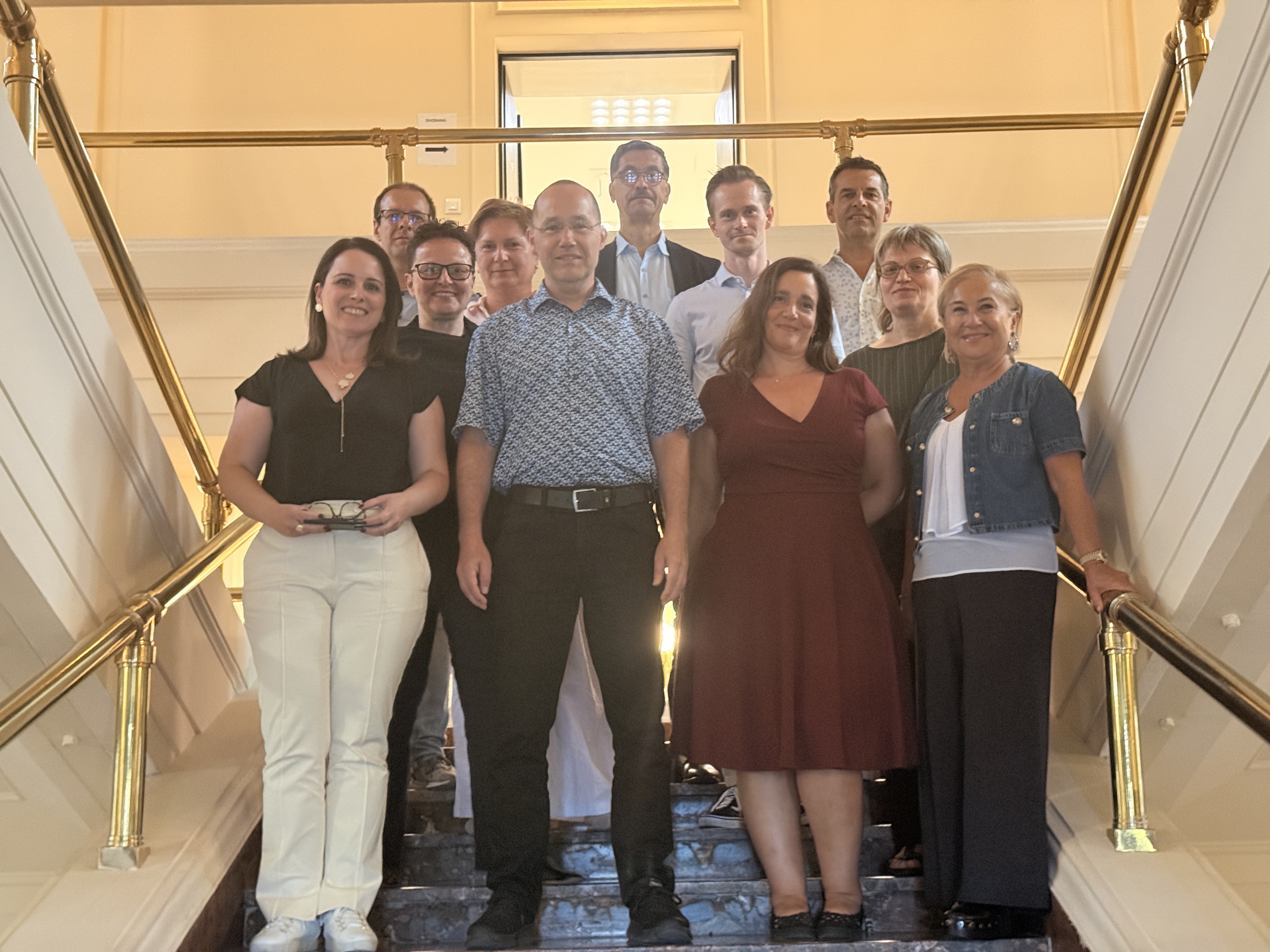
Professor Ekaterina Kldiashvili, Vice Rector for Research of the Petre Shotadze Tbilisi Medical Academy, participated in the ORPHEUS Executive Committee meeting held on 7 September in Zagreb (Croatia). ORPHEUS (Organisation for PhD Education in Biomedicine and Health Sciences in the European System) is a European organization that brings together universities and higher education institutions in the fields of medicine and biomedicine that are committed to advancing the quality of doctoral education and research. The organization develops international standards, promotes the sharing of best practices, and strengthens international collaboration in doctoral education.
This was Professor Kldiashvili’s first meeting as a member of the ORPHEUS Executive Committee. The meeting brought together 14 Executive Committee members representing Germany, Belgium, Brazil, Croatia, Denmark, Georgia, Hungary, Portugal, Switzerland and Türkiye. The composition of the Committee reflects the international and inclusive character of ORPHEUS, bringing together different countries, academic cultures, educational systems and institutional experiences around a shared mission: to advance excellence in doctoral education in biomedicine and health sciences.
The meeting focused on strategic priorities for the further development of ORPHEUS activities, including the promotion of ORPHEUS Best Practices, further development of Labelling and self-evaluation processes, strengthening of the PhD Forum, preparation for future Annual Meetings, communication and visibility, and opportunities for international collaboration in doctoral education and research training.
The membership of a TMA representative on the ORPHEUS Executive Committee represents an important opportunity for strengthening the quality of doctoral education, research culture, scientific supervision, research integrity, and institutional capacity.
 Organized
On September 1-4 2026, ARIVE organised a four-day Training of Trainers programme at Petre Shotadze Tbilisi Med…
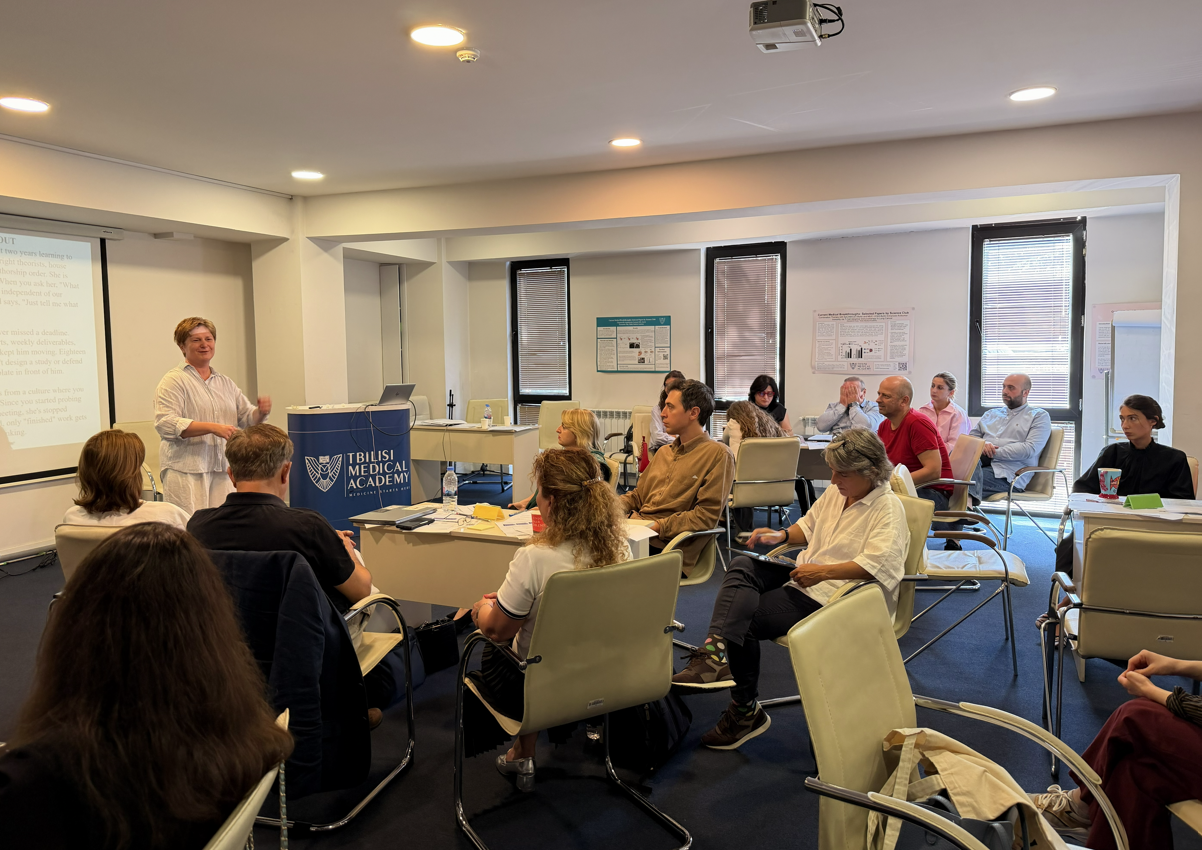
On September 1-4 2026, ARIVE organised a four-day Training of Trainers programme at Petre Shotadze Tbilisi Medical Academy, Tbilisi, Georgia, dedicated to research supervision, facilitation and team-based virtual research learning.
ARIVE (Advancing Research and Innovation in Higher Education through Virtual Exchanges) is an Erasmus+ project aimed at establishing high-quality virtual research opportunities for students and early-career researchers in the fields of health sciences and related scientific disciplines. The project seeks to strengthen the international research capacity of participating institutions through the implementation of structured virtual research semesters, training activities focused on the use of digital technologies and artificial intelligence for research purposes, and international academic mentorship. Moreover, the project promotes interdisciplinary research, the development of inclusive academic networks, and the implementation of joint scientific projects.
The training was led by Professor Rob Bongaardt and Professor Etty Nilsen from the University of South-Eastern Norway and brought together ARIVE partner universities and research institutions from Latvia, Portugal, Norway, Ukraine, and Georgia as the project prepares for the next stage of implementation.The programme focused on a key question for ARIVE: how can supervisors and academic staff support students and early-career researchers in a Virtual Research Semester, where learning takes place through collaboration, inquiry, dialogue and research practice?
During the training, participants explored research-based approaches to supervision, motivation, psychological safety, interdisciplinary teamwork and facilitation. Instead of relying on long lectures, the programme used active learning methods, including individual reflection, small-group work, case discussions, plenary dialogue and practical exercises. A particular focus was placed on the role of supervisors and mentors in supporting research teams. Participants discussed how to create conditions where learners feel ownership of their work, make progress, feel connected to others and learn to navigate different disciplinary perspectives.
The Training of Trainers also reflected the working methods that will be used in ARIVE’s Virtual Research Semesters. Participants were encouraged to think not only about what should be taught, but how research learning can be facilitated in a virtual, interdisciplinary and international environment. The final part of the programme focused on practice. Participants worked in groups to design and facilitate short sessions linked to different stages of the Virtual Research Semester, including team formation, development of research questions, use of AI as a team member, interdisciplinary reasoning, feedback and reflection.
The ToT represents an important step in preparing ARIVE’s academic community for future learning activities. It supports the development of a shared pedagogical approach across the consortium and strengthens the project’s capacity to deliver meaningful, well-supported and collaborative virtual research education.
Through this training, ARIVE continues to build the human foundation of virtual exchange: supervisors, mentors and academic staff who can guide learners not only through research tasks, but through the process of becoming more confident, reflective and collaborative researchers.
 Organized
Petre Shotadze Tbilisi Medical Academy (TMA) participated in the ORPHEUS 2026 conference (26-28 May, Sommelwei…
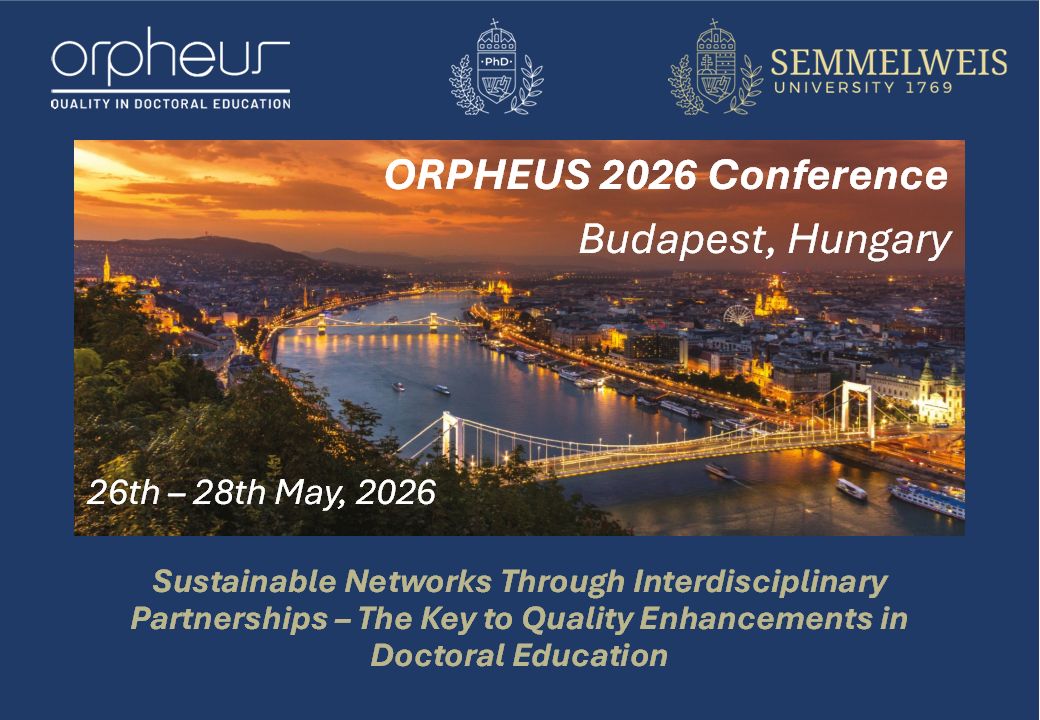
Petre Shotadze Tbilisi Medical Academy (TMA) participated in the ORPHEUS 2026 conference (26-28 May, Sommelweis University, Budapest, Hungary).
During the event, the TMA Vice Rector for Research, Professor Ekaterina Kldiashvili, delivered a presentation entitled: “Supervision as Quality Assurance of Doctoral Research in the Era of Artificial Intelligence.” The presentation was prepared in co-authorship with Associate Professor Maia Zarnadze and Ana Mamiseishvili.
The presentation highlighted the importance of scientific supervision not only for the objective evaluation of doctoral research outcomes but also for shaping the doctoral candidate as an independent researcher and ensuring the research process adheres to the standards of academic integrity. Special emphasis was placed on the ethical application of artificial intelligence and the societal significance of research.
 Organized
On 13 May, Petre Shotadze Tbilisi Medical Academy participated in the international online cluster event “Buil…
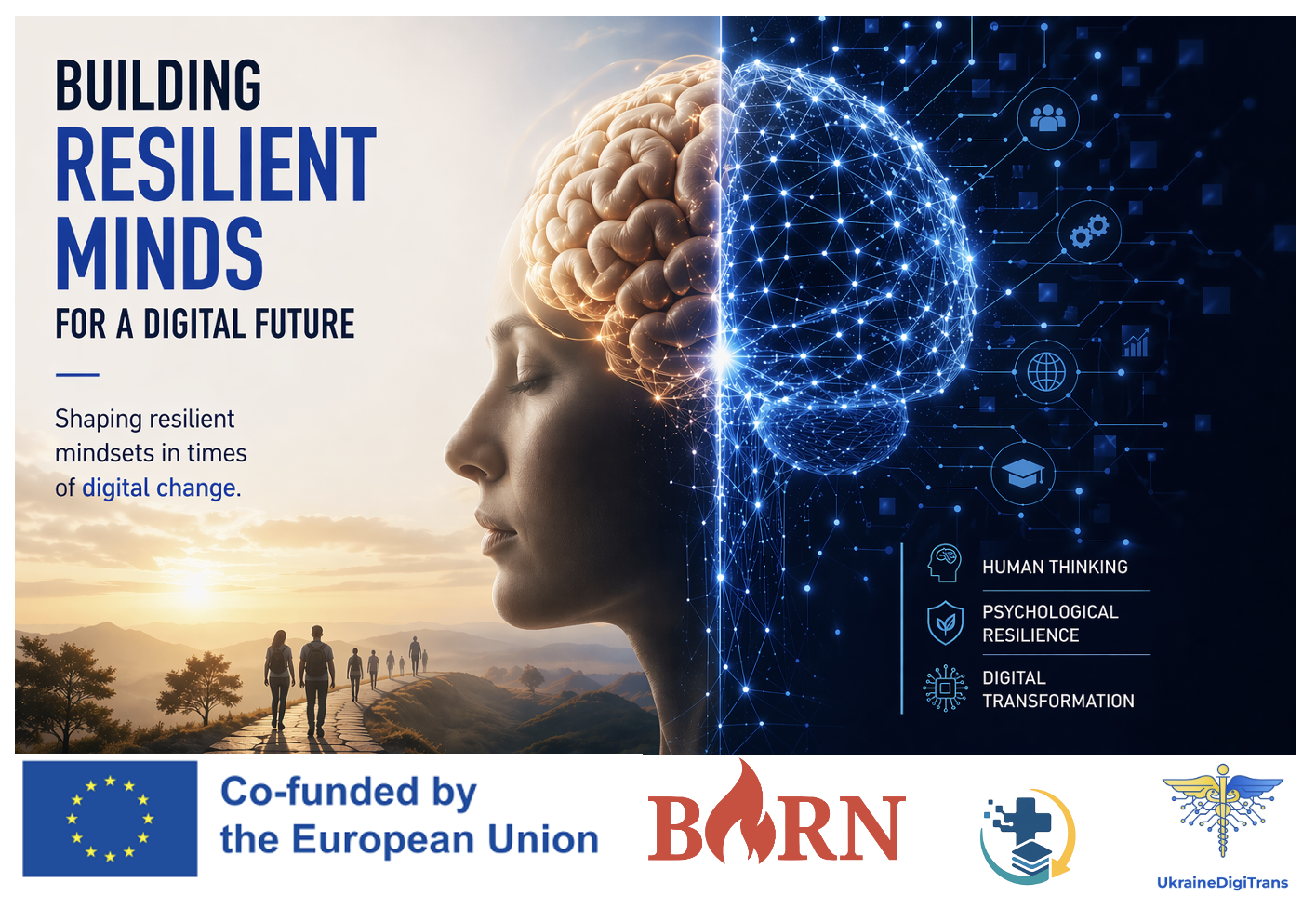
On 13 May, Petre Shotadze Tbilisi Medical Academy participated in the international online cluster event “Building Resilient Minds for a Digital Future”, organised within the framework of three Erasmus+ projects: BURN, Digi-CHange, and UkraineDigiTrans.
The event focused on resilience, adaptability, and digital transformation in higher education.
Digi-CHange project was represented by Professor Ekaterina Kldiashvili, who delivered a presentation titled “While Algorithms Learn, Human Thinking Still Matters.”
The presentation introduced the Digi-CHange perspective on digital transformation in healthcare education and emphasised that artificial intelligence, digital tools, simulations, and data-based learning should strengthen, not replace, human thinking, professional judgement, teamwork, and patient-centred care.
Professor Kldiashvili highlighted that Digi-CHange supports the digital transformation of medical and nursing education through curriculum reform, Digi-CHange Labs, AI-based simulations, digital health competency assessment tools, and awareness-raising activities.
A key message of the presentation was that future healthcare professionals should be prepared not only to use digital tools, but also to interpret them responsibly and critically.
The event also included presentations from the BURN and UkraineDigiTrans projects, an invited talk on data in medical education, and a panel discussion on changing educational pathways in Ukrainian and Georgian higher education institutions.
 Organized
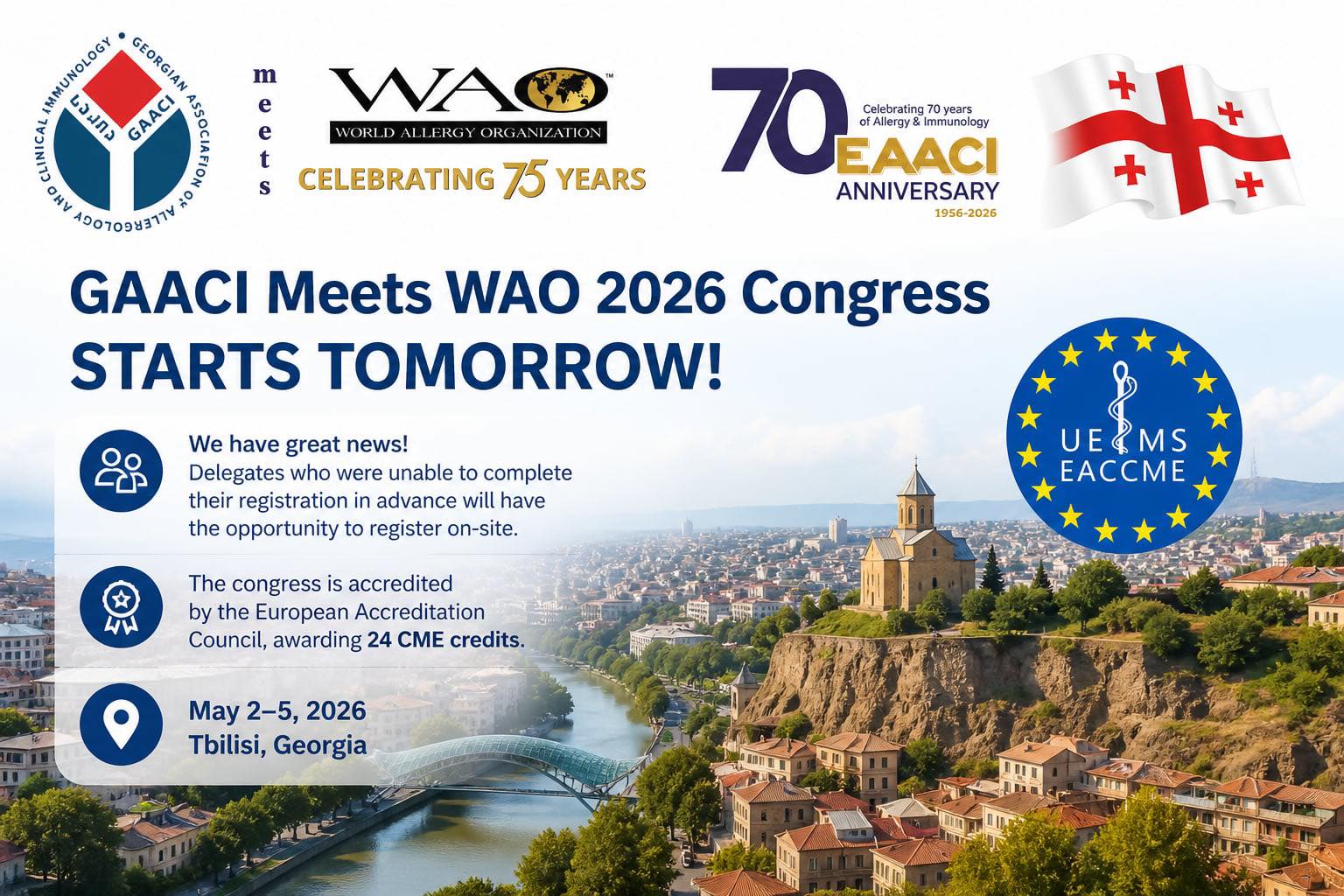
On May 3-5 was held an international jubilee congress dedicated to the 75th anniversary of the World Allergy O…
On May 3-5 was held an international jubilee congress dedicated to the 75th anniversary of the World Allergy Organization (WAO) - "GAACI meets WAO". The event was organized by the Georgian Association of Allergology and Clinical Immunology (GAACI) and supported by the Petre Shotadze Tbilisi Medical Academy (TMA). Leading international experts in the field participated in it, including Nobel Prize laureate Aaron Ciechanover, current WAO President Mario Morais-Almeida, and former presidents of the organization, as well as representatives of the governing boards of the American and European academies.
Parallel to the scientific sessions, students, residents, and young researchers had the opportunity to participate in the activities of the "International School in Allergology and Immunology." Within this specific module of the international congress on May 5 TMA hosted interested students for practical workshops on Enzyme-Linked Immunosorbent Assay (ELISA) and Polymerase Chain Reaction (PCR).
 Organized
“Diagnostics and Monitoring of Oncological Diseases Using a Biomarker Panel” was the topic presented by the te…
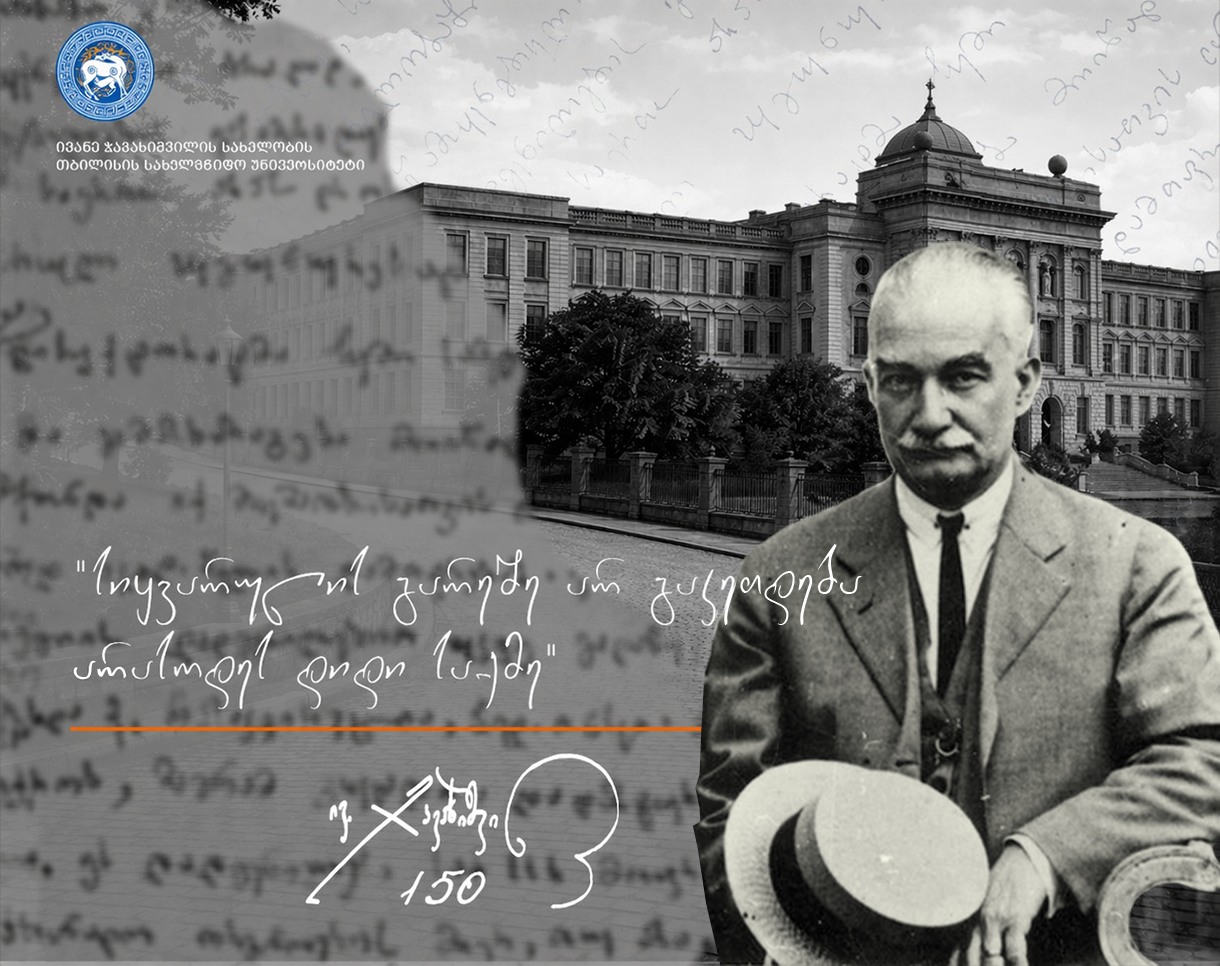
“Diagnostics and Monitoring of Oncological Diseases Using a Biomarker Panel” was the topic presented by the team from Petre Shotadze Tbilisi Medical Academy at the International Scientific Conference dedicated to the 150th anniversary of Ivane Javakhishvili’s birth. The event was held on April 23–24 at Ivane Javakhishvili Tbilisi State University.
The report was delivered by Etuna Dumbadze, Manager of the TMA Laboratory. The presentation addressed current issues in molecular oncology, specifically the diagnostic potential of specific biomarkers for the detection and monitoring of tumor diseases, such as cancer-testis antigens (e.g., NY-ESO-1), PIWI proteins, and the tumor suppressor protein TP53.
The research is focused on refining diagnostic panels and utilizing the enzyme-linked immunosorbent assay (ELISA) method, which aims to develop effective mechanisms for the management of oncological diseases in clinical practice.
 Organized
On April 23, an informational meeting regarding the European Union's research and innovation framework program…
On April 23, an informational meeting regarding the European Union's research and innovation framework program, "Horizon Europe," was held at the Petre Shotadze Tbilisi Medical Academy (TMA).
The event was led by the representative of the "Horizon Europe" National Office of Georgia, the National Contact Point (NCP) for Marie Skłodowska-Curie Actions - Teona Maisuradze.
The aim of the meeting was to introduce researchers and academic representatives to the new opportunities available within the European scientific area. The speaker discussed important topics in detail, such as:
Grant directions - upcoming calls for proposals and priority research fields;
Funding schemes - financial mechanisms and the specifics of project budgeting;
Researcher mobility programs - prospects for international collaboration and professional development.
The meeting proceeded in an active, interactive mode. The audience received valuable practical recommendations and comprehensive answers to their questions regarding the preparation and implementation of future grant projects.
Tbilisi Medical Academy continues to actively support its academic staff in their integration into the international scientific arena.
 Organized
VITAL – Virtual Innovation and Training for Advancing Faculty Leaders, Digital Competencies, and Research Exce…
VITAL – Virtual Innovation and Training for Advancing Faculty Leaders, Digital Competencies, and Research Excellence is an international strategic capacity-building initiative funded by a grant from the Erasmus+ Virtual Exchange programme.
Within the project, TMA participates as a partner organization, and its implementation and coordination on behalf of the Academy are facilitated by the Faculty Development Department and the Research and PhD Department, ensuring strong institutional engagement.
The project is coordinated by the University of Santiago de Compostela (USC), Spain. VITAL is implemented by an international consortium bringing together partner universities from Spain (University of Santiago de Compostela), Italy (INFOR Elea Smart Business Academy), Ukraine (Institute of Food Biotechnology and Genomics, National Academy of Sciences of Ukraine - IFBG, Ternopil National Medical University, Ukraine - TNMU), and Georgia (Petre Shotadze Tbilisi Medical Academy - TMA, Business and Technology University - BTU).
The project aims to mentor and empower early-career and junior faculty members at higher education institutions in Georgia and Ukraine in the following areas:
 Organized
The implementation of the Erasmus+ Capacity Building in Higher Education project Digi-CHange – Digital Transfo…
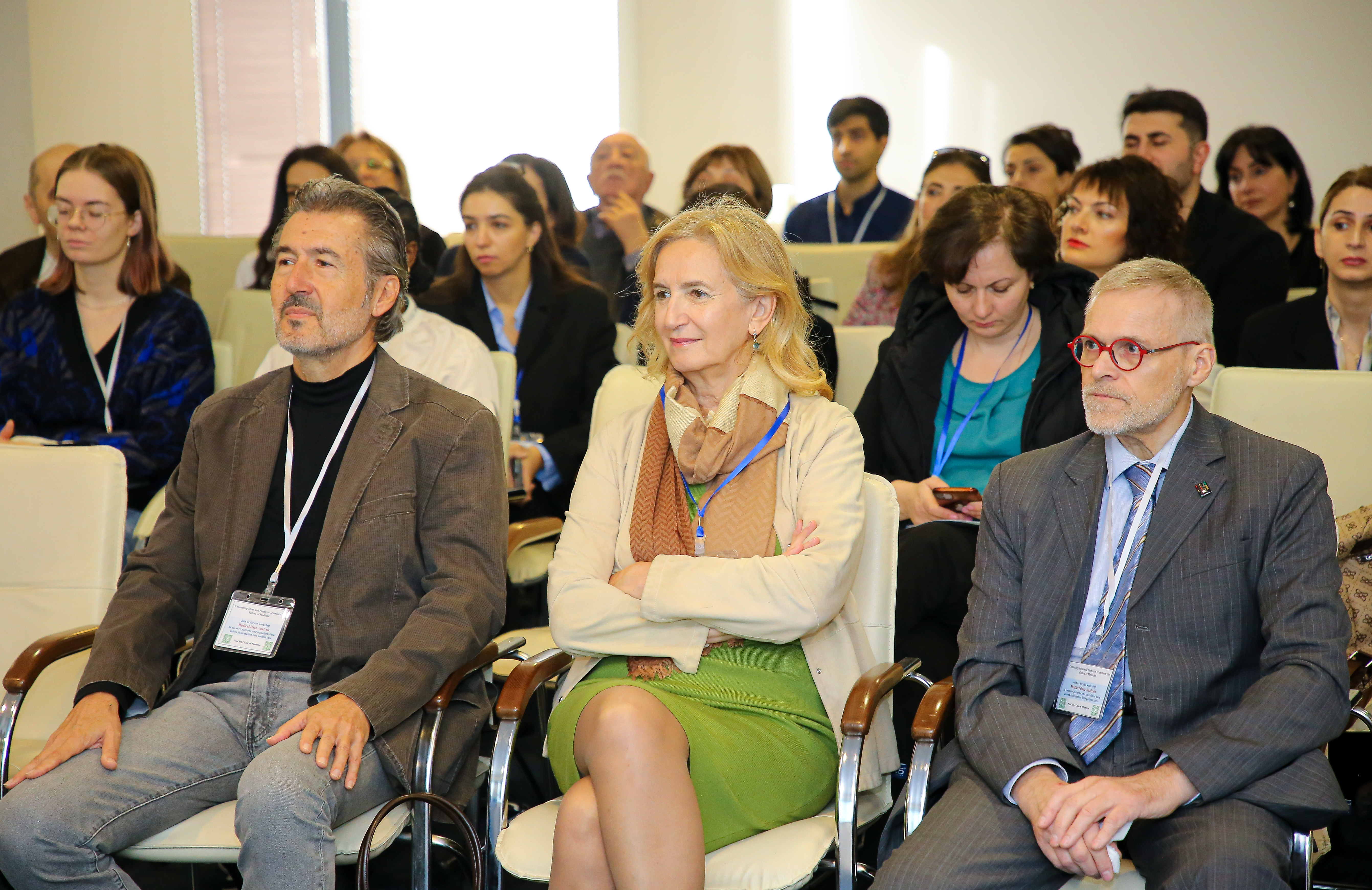
The implementation of the Erasmus+ Capacity Building in Higher Education project Digi-CHange – Digital Transformation and Curriculum Development for Healthcare Teams has commenced. The project aims to modernize medical and nursing education through the integration of digital health, artificial intelligence, and interdisciplinary collaboration into the teaching and learning process. Digi-CHange officially started in October 2025. The project consortium brings together higher education institutions and partner organizations from EU Member States (Ireland, Italy, Latvia) and partner countries (Georgia and Ukraine).
An important initial milestone in the project’s implementation was the first international meeting of the Digi-CHange consortium, held on January 8–9, 2026, and hosted by Riga Technical University. During the meeting, teams from the consortium member organizations discussed key project-related issues and jointly developed an action plan. This marked the project’s transition from the preparatory phase to coordinated implementation and confirmed the consortium’s shared vision for the educational reform envisaged by Digi-CHange.
A key message that emerged from the meeting was that digital transformation in healthcare is not limited to the integration of technologies alone. It aims to support the development of the practical, analytical, and collaborative skills and competencies required for future doctors and nurses to work effectively in digital clinical environments. Digi-CHange responds directly to this need by integrating digital health competencies across all levels of education. The project focuses on modernizing medical and nursing curricula so that they better reflect real-world clinical practice, where digital tools, data, and artificial intelligence are playing an increasingly important role in clinical decision-making. Through a team-based approach, Digi-CHange ensures the preparation of doctors and nurses for effective collaboration while upholding the principles of ethical and patient-centered care.
Key project activities include the integration of digital elements, artificial intelligence, and simulations into education and training, the establishment of Digi-CHange Labs, and the development of assessment tools for digital health competencies. In parallel, the project will implement a digital health awareness-raising campaign. By supporting higher education institutions in Georgia and Ukraine, Digi-CHange contributes to strengthening healthcare systems, developing professional competencies, and aligning education with European and global digital health priorities.
The three-year Digi-CHange project is funded under the Erasmus+ Capacity Building in Higher Education programmed and will deliver sustainable results with impact extending beyond the project’s lifetime.
 Organized
Medicine: Innovation and Challenges 2025 (MEDIC 2025)On 25–27 November, Petre Shotadze Tbilisi Medical Academy…
Medicine: Innovation and Challenges 2025 (MEDIC 2025)
On 25–27 November, Petre Shotadze Tbilisi Medical Academy (TMA) hosted the international scientific conference “Medicine: Innovation and Challenges 2025 (MEDIC 2025)”. The three-day conference was held in a hybrid format. The event was accredited by the European Accreditation Council for Continuing Medical Education (EACCME®).
The conference aimed to highlight key topics shaping the development of the modern medical doctor — the importance of innovative educational approaches and research; the role of society in research processes; and the opportunities and challenges associated with integrating innovative technologies and artificial intelligence into healthcare and medical education.
The event featured distinguished speakers, including:
TMA students and alumni, as well as doctoral and master’s students from partner universities, actively participated in the three-day conference, delivering presentations and engaging in interactive workshops.
Within the framework of the international conference, Professor Andreas Kaufmann of Charité–Universitätsmedizin Berlin was awarded the title of Honorary Professor of Tbilisi Medical Academy.
 Organized
On July 1–2, 2025, Petre Shotadze Tbilisi Medical Academy (TMA) and Ivane Javakhishvili Tbilisi State Universi…
On July 1–2, 2025, Petre Shotadze Tbilisi Medical Academy (TMA) and Ivane Javakhishvili Tbilisi State University (TSU) jointly hosted an international workshop titled “Integration of Molecular Pathology into Education and Modern Healthcare: Shaping the Future.”
The event brought together members of the partner universities research teams, invited Georgian and European experts — Professors Maria Pia Foschini, Luca Morandi, and Christian Mawrin.
The central focus of the workshop was the discussion of cutting-edge approaches in molecular diagnostics, including the practical implementation of personalized treatment mechanisms based on genomic markers. The speakers shared clinical and scientific insights, emphasizing the critical importance of integrating molecular pathology into medical education and health systems.
The event was held within the framework of a project funded by the Competitive Innovation Fund "Development of a molecular pathology curriculum and implementation in Georgian universities in order to improve higher medical education“. The project aims to integrate molecular pathology into the medical curriculum, thereby contributing to the modernization of medical education and providing a foundation for addressing current clinical challenges in healthcare practice.
 Organized
On June 18 and 19, Professor Rebecca Singer from the University of Illinois Chicago (USA) visited Tbilisi Medi…
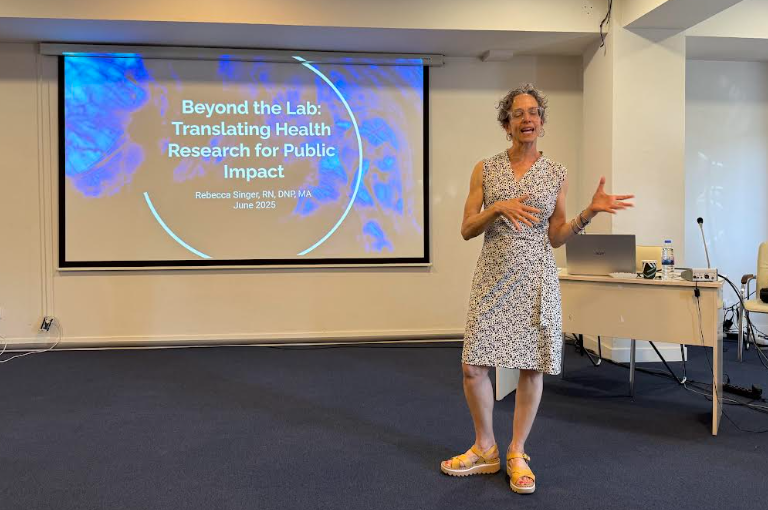
On June 18 and 19, Professor Rebecca Singer from the University of Illinois Chicago (USA) visited Tbilisi Medical Academy (TMA). She conducted two outstanding workshops focused on effective scientific communication.
On June 18, TMA faculty members engaged in a dynamic discussion moderated by Professor Singer on how to translate research findings into real-world practice and communicate them effectively to the public. The workshop titled “Beyond the Lab: Translating Health Research for Public Impact” was intensive, interactive, and centered around practical experience.
On June 19, Professor Singer led an interactive workshop for students titled “From Medical Jargon to Meaningful Communication: How to Bridge the Gap Between Medical Knowledge and Human Understanding.” Participants worked in small groups, explored the importance of communicating medical and scientific information to a broader audience, and completed several hands-on tasks.
 Organized
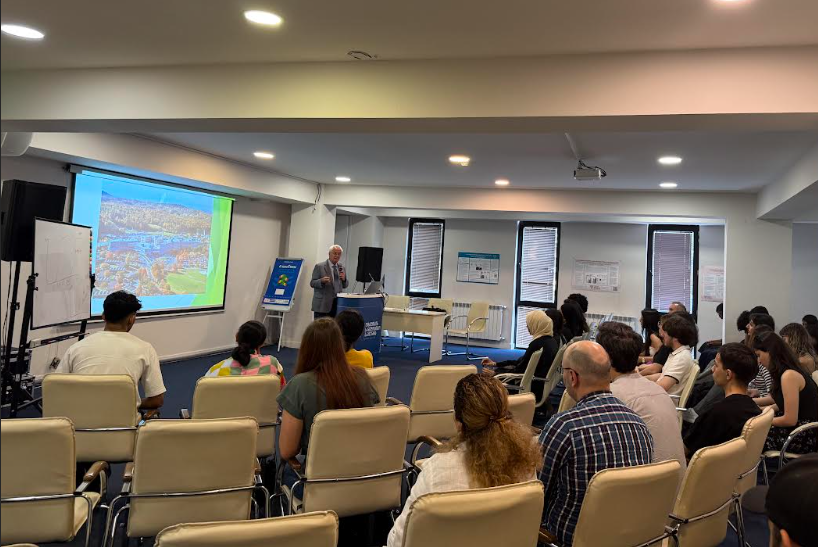
On June 9, a scientific event was held at Tbilisi Medical Academy, where Professor James Connor, Distinguished…
On June 9, a scientific event was held at Tbilisi Medical Academy, where Professor James Connor, Distinguished Professor at the Penn State College of Medicine (Pennsylvania State University), delivered a public lecture to students, academic and invited staff on the topic: “How Iron Affects the Healthy Brain.”
During the lecture, Professor Connor discussed the role of iron in neurobiological processes, its significance in the proper functioning of a healthy brain, and the potential impact of this chemical element on the development and progression of neurological disorders. He presented recent research findings and explored the mechanisms by which iron contributes to brain metabolism and neurogenesis.
The public lecture was held within the framework of international scientific collaboration and aimed to engage students and academic community members in international thematic scientific discourse.
 Organized
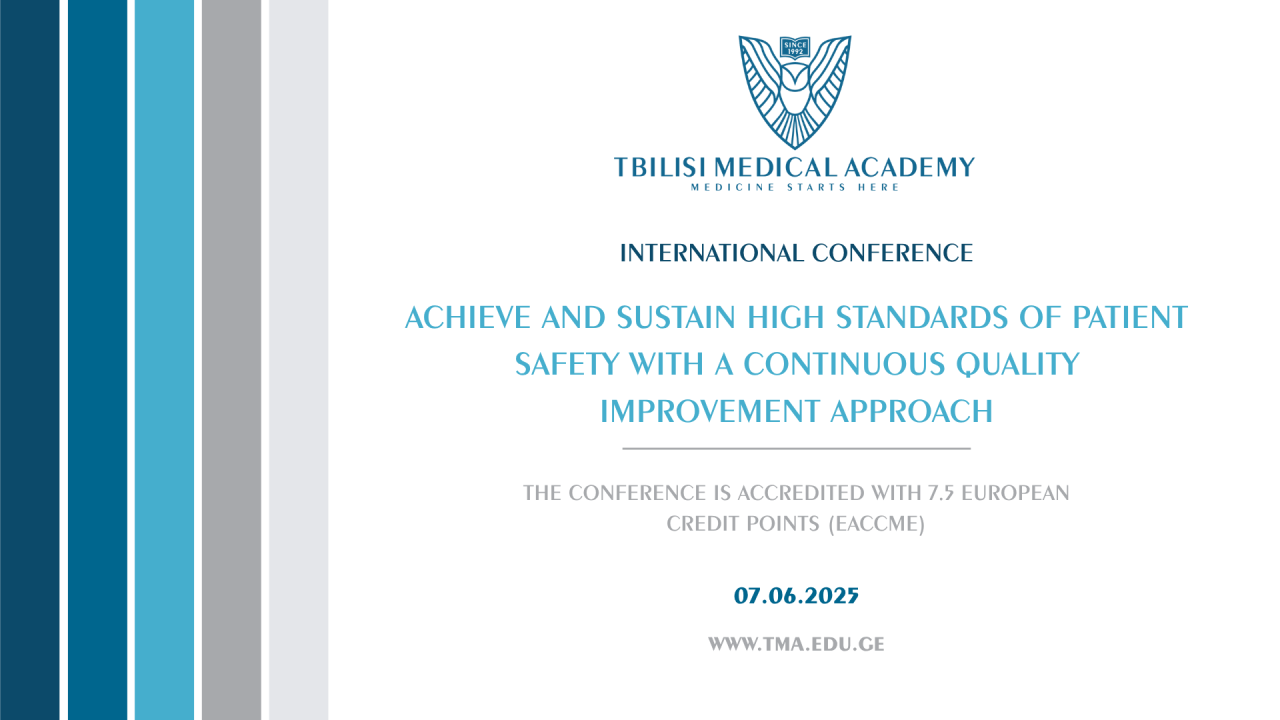
On June 7, 2025, Petre Shotadze Tbilisi Medical Academy hosted the international conference “Achieving and Sus…
On June 7, 2025, Petre Shotadze Tbilisi Medical Academy hosted the international conference “Achieving and Sustaining High Standards of Patient Safety Through Continuous Quality Improvement.”
The conference brought together representatives from leading Georgian hospitals and academic institutions, as well as invited experts from the United States.
Key topics discussed at the conference included:
- Strengthening a culture of safety in clinical practice
- Incident analysis and integration of learning systems
- Data-driven approaches to quality management
- Enhancing patient-centered care based on experience
- Practical insights into achieving international accreditation.
The event was officially accredited by the European Accreditation Council for Continuing Medical Education (EACCME).
 Organized
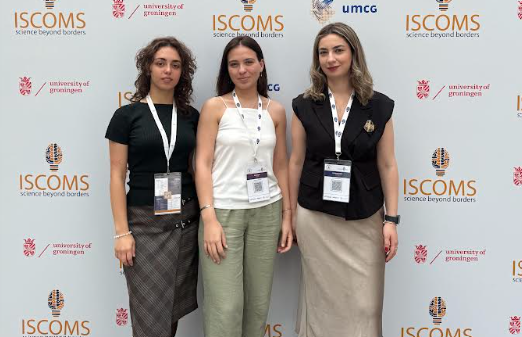
From June 2–6, 2025 X, students from Petre Shotadze Tbilisi Medical Academy participated in the international…
From June 2–6, 2025 X, students from Petre Shotadze Tbilisi Medical Academy participated in the international scientific student conference — ISCOMS 2025, traditionally held at the University Medical Center Groningen, the Netherlands.
Presentations were done by:
- Nino Gagua — Highlighting challenges and bringing change in rural healthcare through visual storytelling
- Lizi Mokvanidze — Comparative validation of low-density lipoprotein cholesterol estimation formulas in a diverse population
- Ana Shekiladze — Rapid detection of Staphylococcus aureus and Escherichia coli using golden nanoparticles.
ISCOMS is one of the largest and most prestigious student scientific congresses in (bio)medicine. It promotes the development of scientific communication skills and encourages the formation and advancement of innovative research ideas.
 Organized
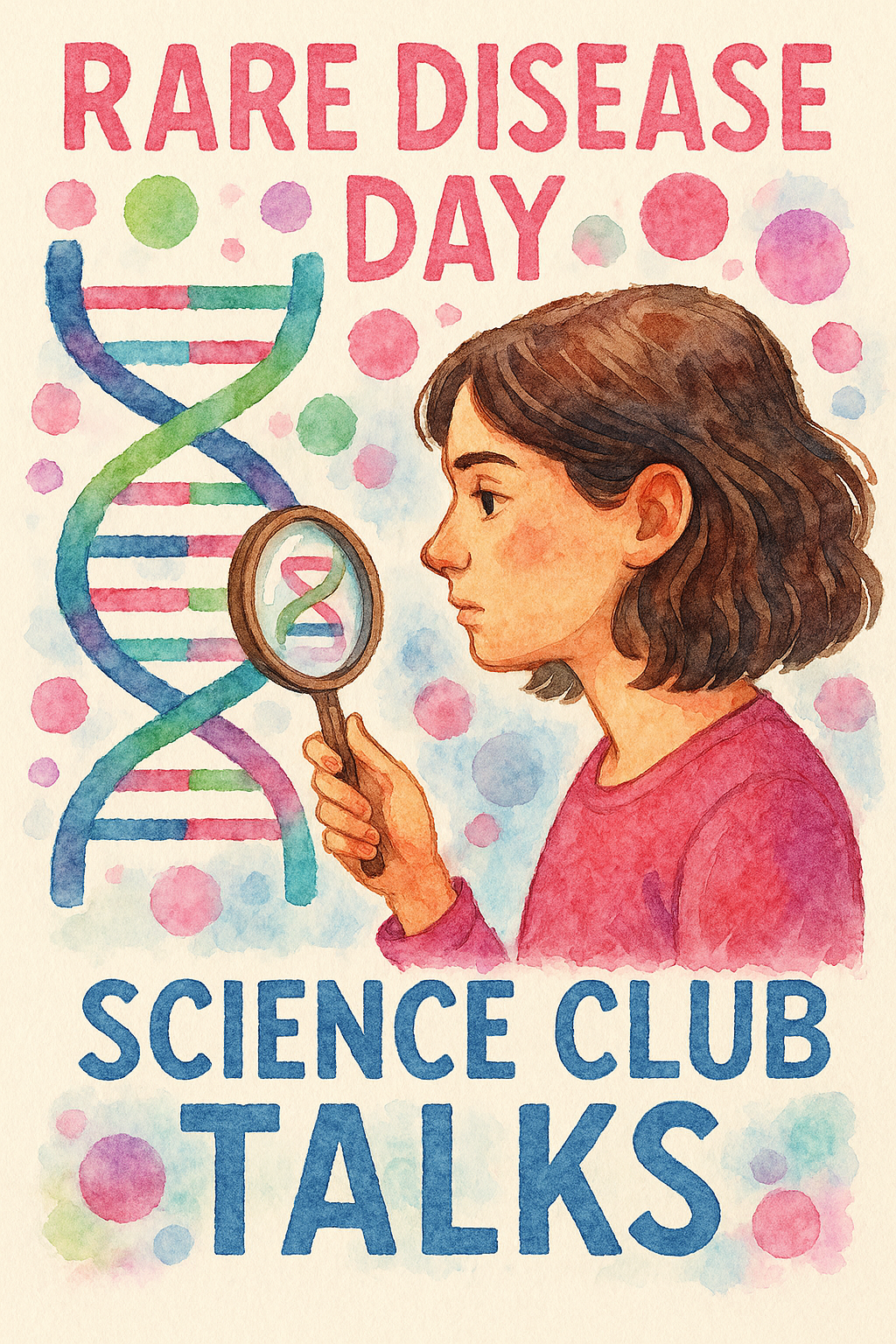
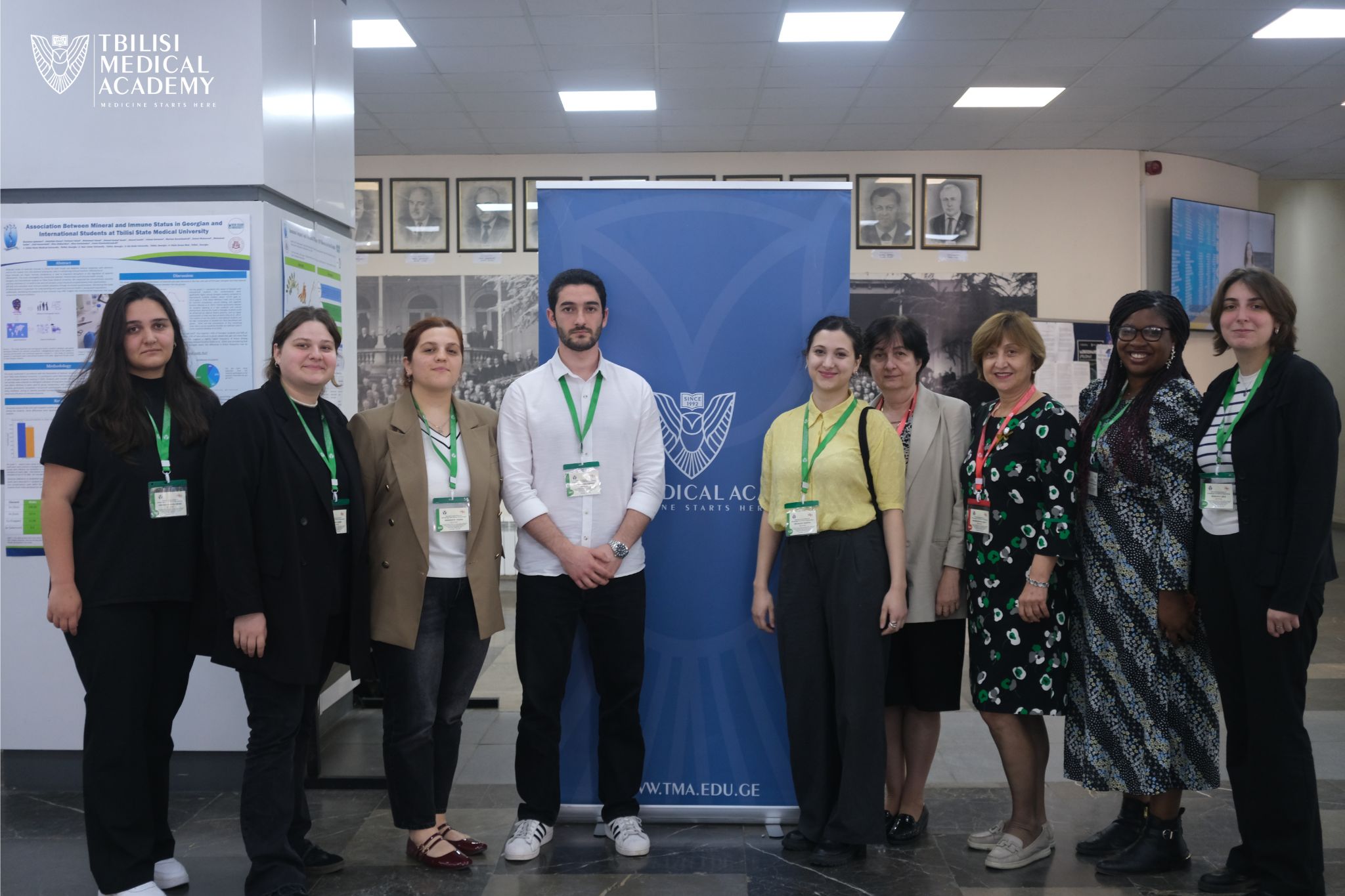
On June 6, 2025, the Science Club of TMA hosted an event titled “Molecular Basis of Rare Diseases.” The aim o…
On June 6, 2025, the Science Club of TMA hosted an event titled “Molecular Basis of Rare Diseases.”
The aim of the event was to raise awareness about rare genetic and metabolic disorders and to facilitate the discussion of relevant research topics.
TMA students discussed various rare conditions, including phenylketonuria, fibrous dysplasia, porphyria, congenital insensitivity to pain, inherited retinal dystrophy, stiff-person syndrome, Phillips syndrome, and fatal familial insomnia.
Each presentation explored the molecular mechanisms of the disease, current diagnostic approaches, and the challenges of patients clinical management.
 Organized
The XIV National Congress of Asthma and Clinical Immunology was held under the organization of the Georgian As…
The XIV National Congress of Asthma and Clinical Immunology was held under the organization of the Georgian Association of Allergy and Clinical Immunology (GAACI) and with the support of Tbilisi Medical Academy (TMA).
Professor Lali Mekokishvili, the dean of school of medicine at TMA,, who is also a member of the Executive and Scientific Council of GAACI, chaired two dermatology sessions. Aside from that, reports on topical issues of dermatovenereology were presented by Irma Buchukuri, Associate Professor of TMA, and Kakha Bregvadze, Co-head of One-step Educational Programmes.
Within the framework of the three-day congress, a student session was also held at Tbilisi State Medical University, where TMA’s students presented original research: Nino Chkhutishvili, Lela Koriauli, Teona Shavadze, and Devika Das Thiruthara Haridas.
The congress was attended by more than 500 delegates from 15 countries worldwide. Reports were presented by the President of the World Allergy Organization, the Vice President of the American College of Allergy, and other international scientists.
 Organized
On 22–23 May 2025, the European University Association (EUA) hosted a conference titled: “How Universities Ar…
On 22–23 May 2025, the European University Association (EUA) hosted a conference titled:
“How Universities Are Shaping the Era of Artificial Intelligence.” The event brought together academic staff, researchers, higher education institution representatives, and policymakers to discuss the impact of artificial intelligence on higher education and university governance. The aim of the conference was not only to reflect on current activities and challenges, but also to identify opportunities for developing responsible, ethical, and inclusive strategies for artificial intelligence integration.
One of the panel sessions, “Artificial Intelligence in Higher Education – An Interuniversity Approach,” was chaired by Professor Ekaterina Kldiashvili, a member of the team at Petre Shotadze Tbilisi Medical Academy. The panel featured representatives from leading universities in Sweden, Ireland, Germany, and Belgium, who shared their experiences and institutional approaches to integrating artificial intelligence into higher education.
 Organized
On 30 May 2024, an information session organized by the Petre Shotadze Tbilisi Medical Academy (TMA) Grant Off…
On 30 May 2024, an information session organized by the Petre Shotadze Tbilisi Medical Academy (TMA) Grant Office “Horizon Europe” was held. The aim of the event was to provide the TMA’s academic community with detailed information on funding opportunities available under the 2025 WIDERA Work Programme (Widening Participation and Strengthening the European Research Area) and Marie Skłodowska-Curie Actions (MSCA).
Speakers were:
The event was held with the support of the Horizon Europe National Office of Georgia and was conducted in an interactive format, allowing participants to ask practical questions and discuss potential ideas for participation in upcoming Horizon Europe calls.
 Organized
Every year on April 25, the world celebrates International DNA Day, honoring the discovery of the molecule tha…
Every year on April 25, the world celebrates International DNA Day, honoring the discovery of the molecule that holds the genetic code of all living beings.
At our recent public lecture, "DNA: Evidence and Specificities in Modern Medicine," we explored some of the most fascinating and thought-provoking questions about genetics and healthcare:
What insights does our DNA reveal about who we are?
Can a single gene determine which treatment will be most effective for an individual?
What is personalized medicine — and how is it reshaping the future of healthcare?
During the session, we discussed how advances in genomics are revolutionizing diagnostics, treatment decisions, and patient care, moving toward a future where medicine is tailored to each person’s unique genetic profile.
 Organized
On March 14 of this year, as part of Brain Awareness Week, the Science Club organized interactive activities, …
On March 14 of this year, as part of Brain Awareness Week, the Science Club organized interactive activities, discussions, and presentations on the brain and emotions, focusing on the role of the amygdala, prefrontal cortex, and neurotransmitters in shaping our feelings. The winning students in the quiz received symbolic gifts.
The students who gave the presentations were: Ana Koshadze, Ketevan Vepkhvadze, Mariam Tsiklauri, Ani Kajrishvili, Lika Titvinidze, Ana Kopaladze, Bela Amariani, Mariam Tsamalashvili, Natalie Paghava, Lizi Mokvanidze, Tako Dandurishvili, Gvantsa Gochitashvili, and Teona Datunashvili
 Organized
On November 26-28, Tbilisi Medical Academy organized the international scientific conference "Medicine: Innova…
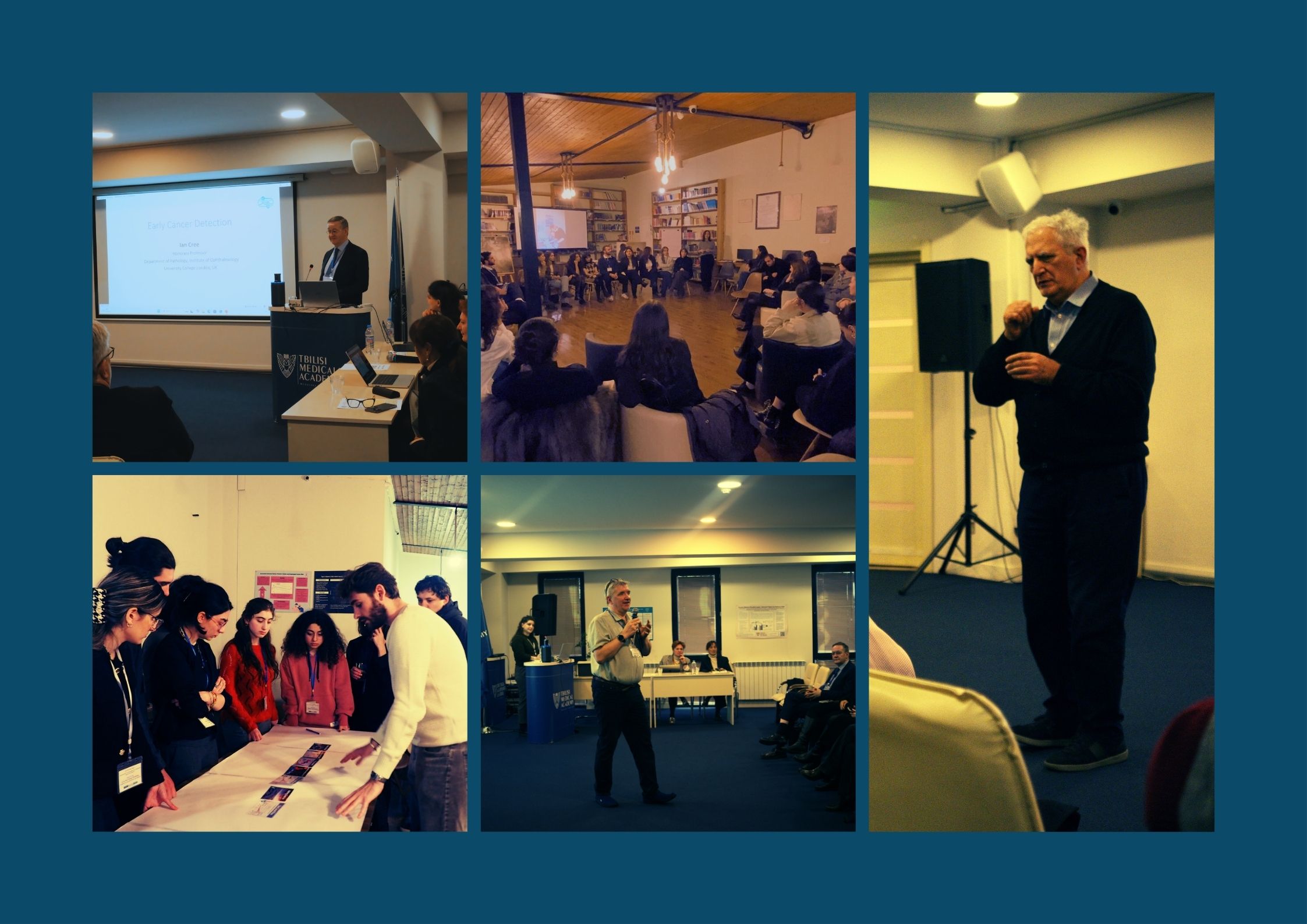
On November 26-28, Tbilisi Medical Academy organized the international scientific conference "Medicine: Innovations and Challenges 2024 (MEDIC 2024)". The three-day conference was held in a hybrid format. The event was accredited by the European Accreditation Council for Continuing Medical Education (EACCME®).
The goal of the international scientific conference was to showcase research findings addressing societal challenges and advancing new knowledge. Additionally, the conference aimed to foster transdisciplinary and interdisciplinary research projects and support the development of research skills among students and young researchers. This event served as a platform for collaboration and knowledge exchange across various fields of medicine. Specifically, MEDIC 2024 covered topics such as personalized medicine, molecular pathology and medicine, digital health, and the use of artificial intelligence (AI) in healthcare.
In addition, MEDIC 2024 stands out for its commitment to supporting interdisciplinary research projects in medicine. Its goals include promoting awareness and implementation of the concept "Science with and for Society", advancing technological transfer, fostering cluster specialization, and enhancing Georgia's participation in international grant projects.
Leading Georgian and international experts, experienced and young researchers participated in the event.
Within the framework of the event, special emphasis was placed on the participation of young researchers. TMA students and graduates played an active role throughout the three-day conference, delivering presentations and engaging in interactive workshops.
 Organized
Students debate was held at Tbilisi Medical Academy ti celebrate the International Day of Bioethics.As part of…
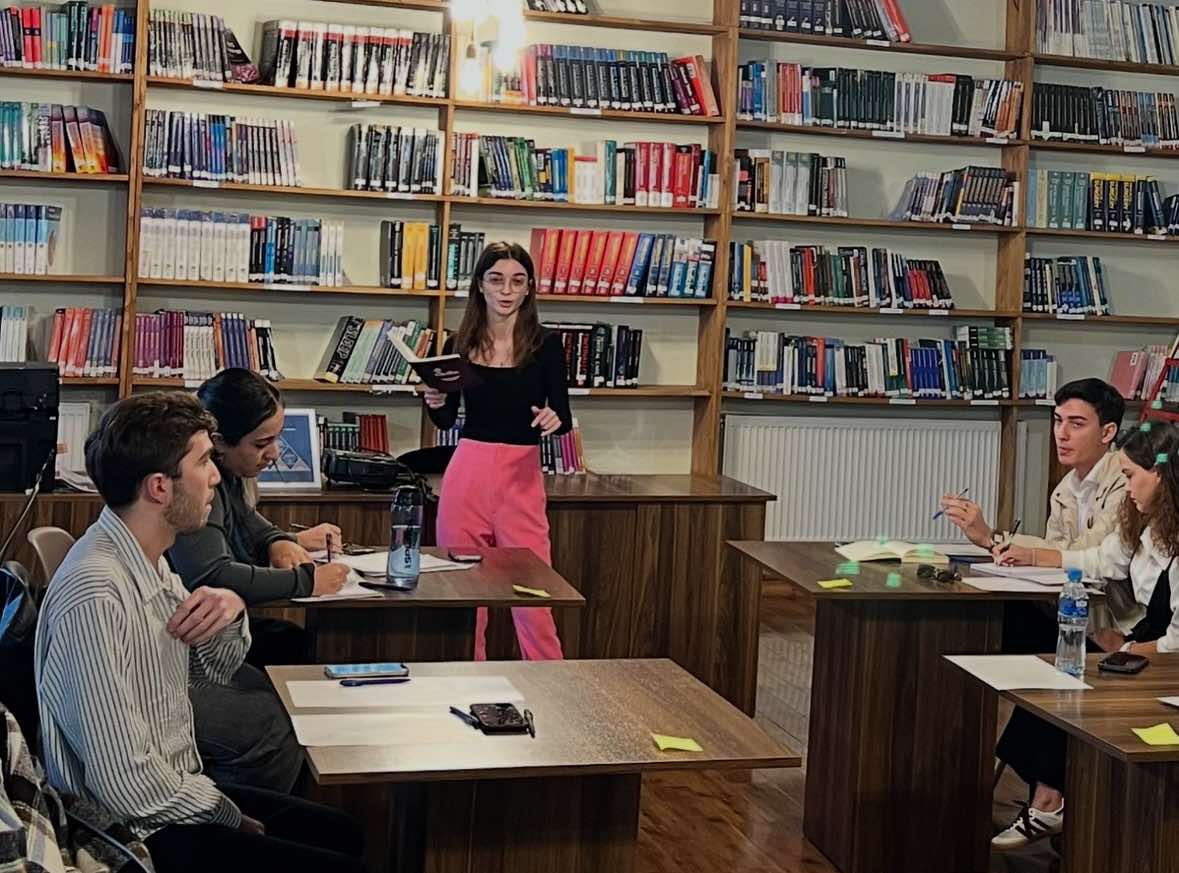
Students debate was held at Tbilisi Medical Academy ti celebrate the International Day of Bioethics.
As part of the event a resolution was discussed: “This Assembly grants the priority of organ transplant recipients based on their social value (i.e., profession, role in society, etc.)”.
The discussion of the resolution was evaluated by a panel of debate judges: Tekla Bakhturidze, Aleksandre Katsadze, Giorgi Dumbadze, Giorgi Barakadze, and Khatia Devadze.
Following the decision of the judges, the best arguments were recognised, and Barbare Maraneli and Aleko Chkhetia's team was declared the winner of the students debate.
How relevant would a resolution be that states: “This Assembly grants priority status to organ transplant recipients based on artificial intelligence defined societal value (i.e., value to society, research contributions, etc.)”?
 Organized
The 6th European Congress of Applied Microbiology and Beneficial Microbes was held on October 3-4 in Amsterdam…
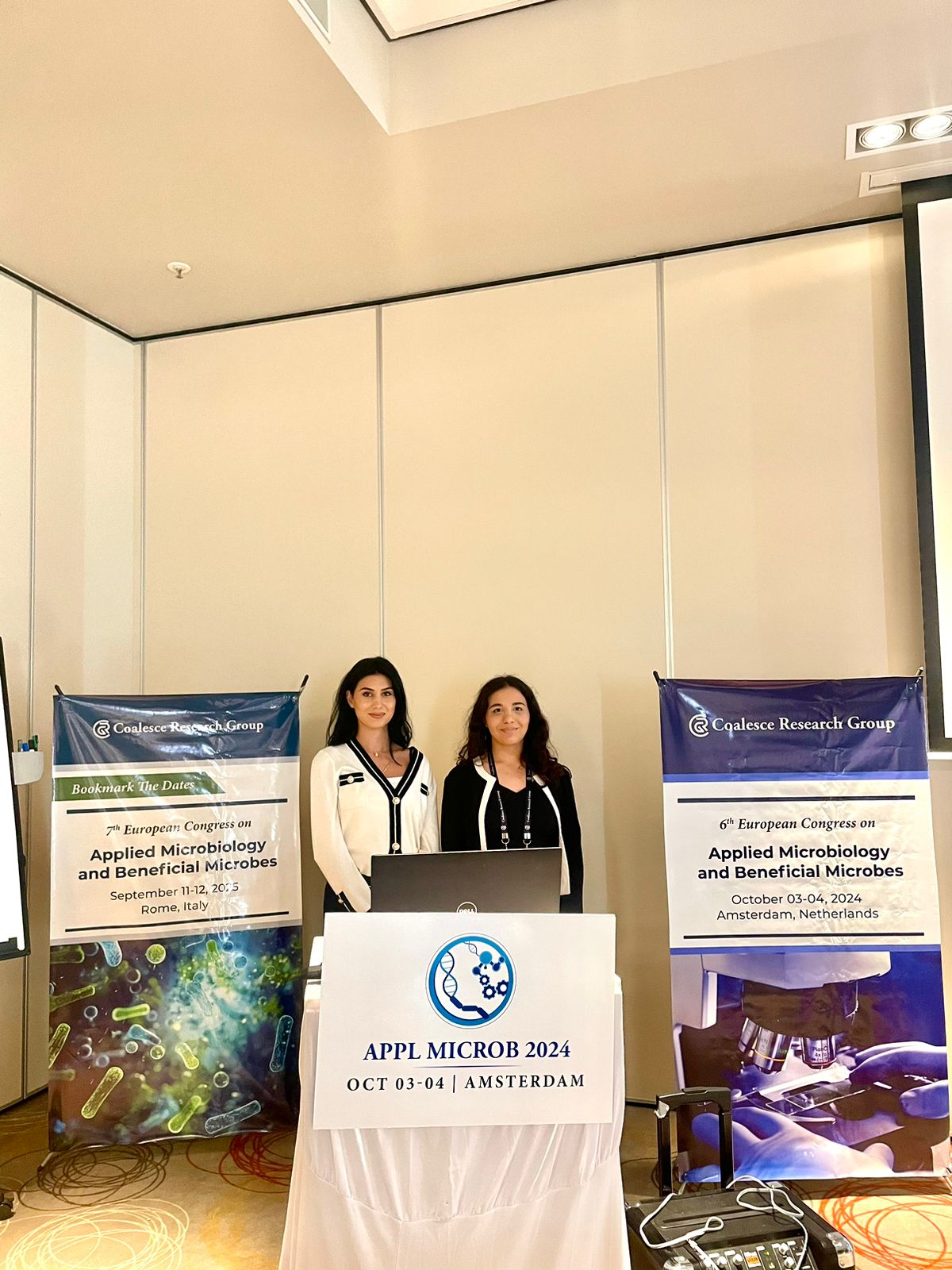
The 6th European Congress of Applied Microbiology and Beneficial Microbes was held on October 3-4 in Amsterdam, Netherlands. Tbilisi Medical Academy students - Tamar Kobulashvili and Mariam Berdzenishvili, presented findings of their research project “Antibacterial activity of Georgian honey against bacteria isolated from skin wounds”. Tamar and Mariam conducted the project alongside with their colleagues - Nino Chkhutishvili and Levan Bakhtadze, under the mentorship of the Academy's Associate Professor - Mañana Loladze.
 Organized
From September 30 to October 2, Dubrovnik (Croatia) hosted the training “Quality of doctoral education”. The e…
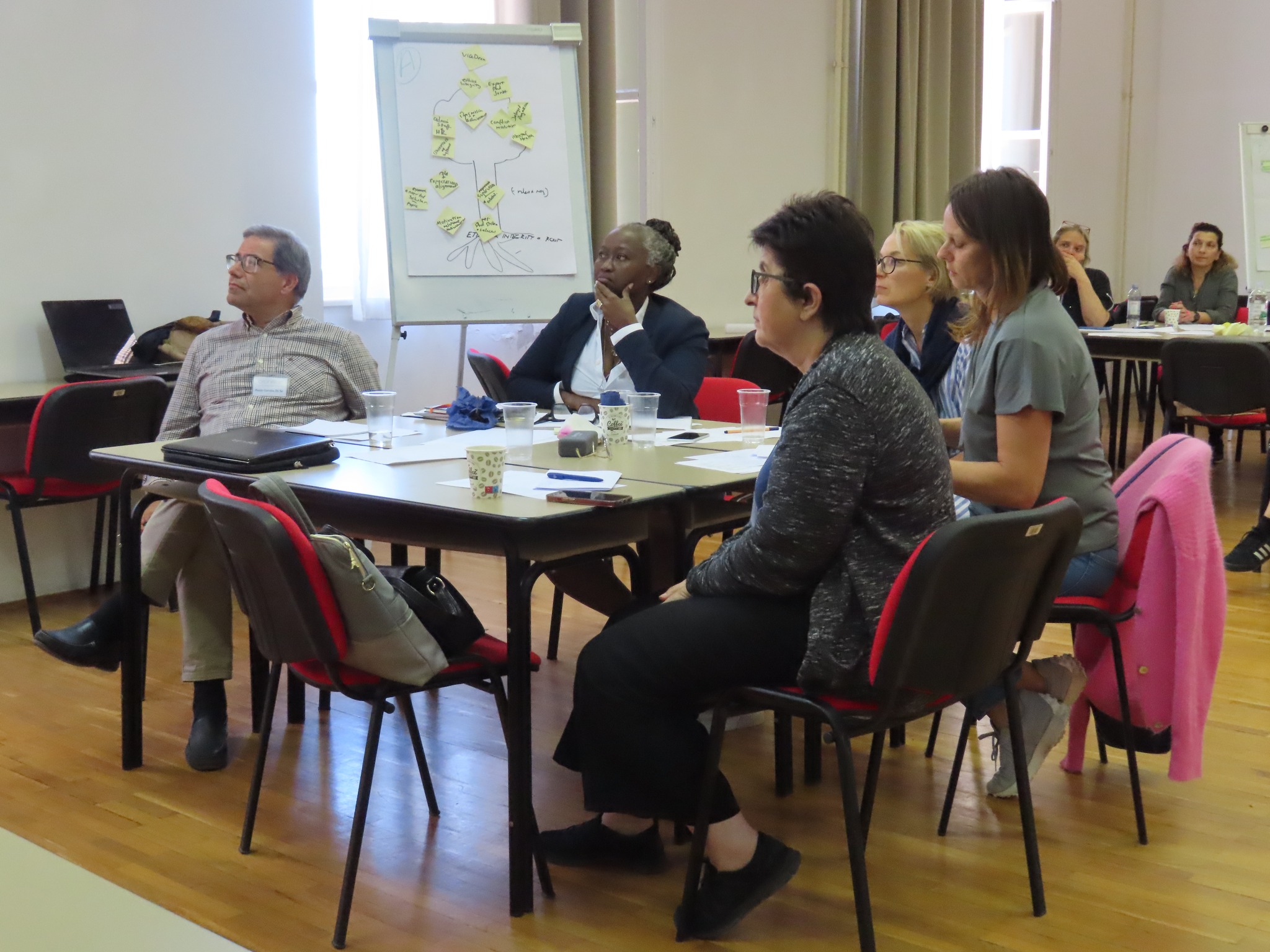
From September 30 to October 2, Dubrovnik (Croatia) hosted the training “Quality of doctoral education”. The event was organised by the Organization for PhD Education in Biomedicine and Health Sciences in the European System (ORPHEUS). Associate Professor Maia Zarnadze, head of the Tbilisi Medical Academy's Faculty Development Department and Associate Professor Mañana Loladze, a member of the Scientific Grant Committee's working group, participated in the training.
 Organized
On September 30, within the framework of the project “InTech4Med - Innovation and Technology for Medicine” Tbi…
On September 30, within the framework of the project “InTech4Med - Innovation and Technology for Medicine” Tbilisi Medical Academy and Ilia State University held a workshop titled “Application of Technology and Artificial Intelligence in Medical and Public Health Education”. The event was led by the invited expert, Michelle Burbage PhD (University of Cincinnati, USA). The workshop was hosted by Ilia State University.
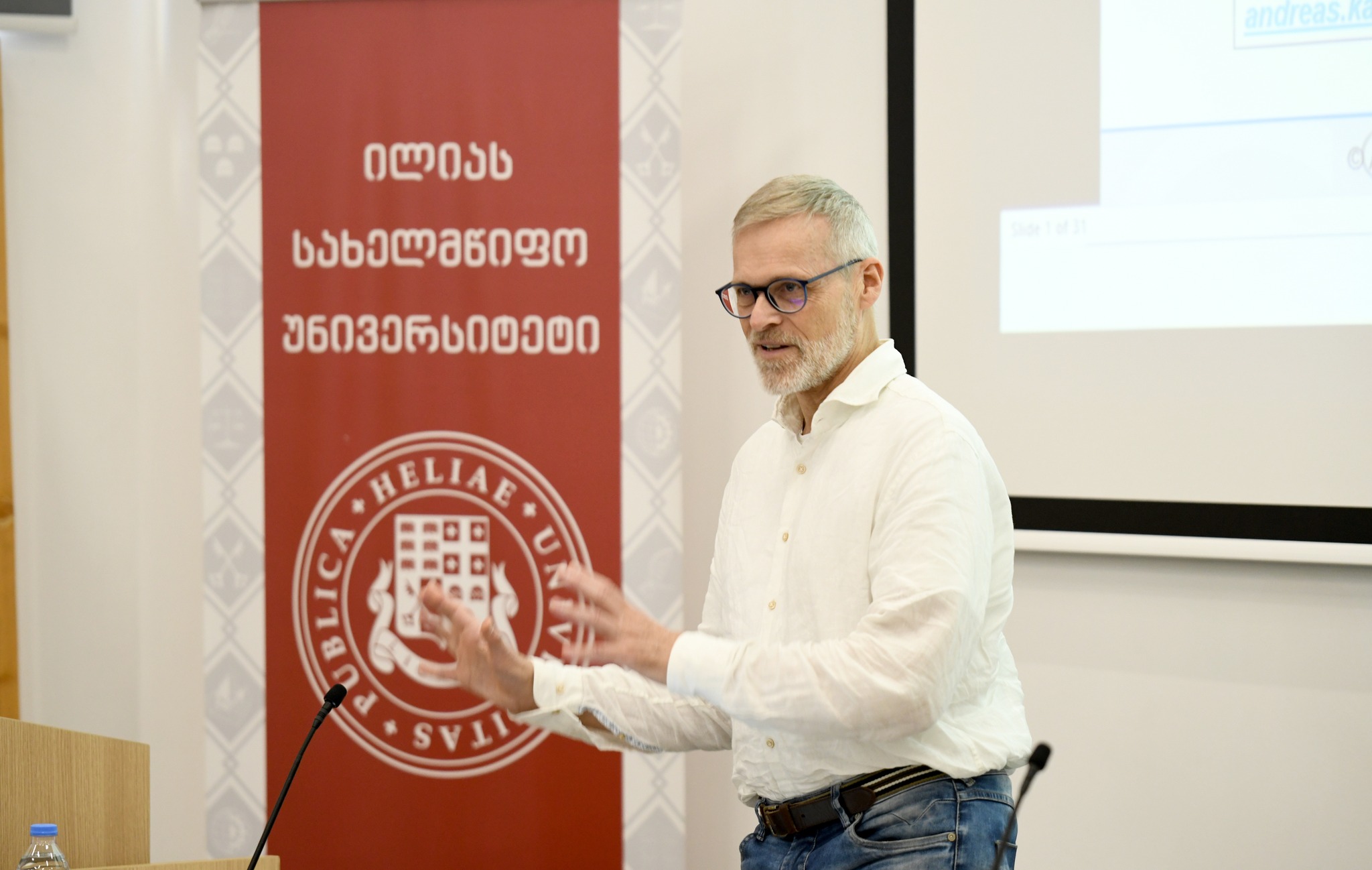 Organized
On September 28 within the framework of the “InTech4Med - Innovation and Technology for Medicine” project, Tbi…
On September 28 within the framework of the “InTech4Med - Innovation and Technology for Medicine” project, Tbilisi Medical Academy and Ilia State University jointly conducted the scientific conference “Medicine and Innovation”. The event was hosted by Ilia State University.
 Organized
On September 21, the scientific conference “Medicine and Art” was held. The event aimed to explore the connect…
On September 21, the scientific conference “Medicine and Art” was held. The event aimed to explore the connections between medicine and art in a fun and informative way. Topics discussed included medical-themed paintings, the role of music in the healing process and rehabilitation, as well as the impact of colours on mental health.
The conference was organised within the framework of the project “Medicine and Art - An Interdisciplinary Approach for the Science Popularisation” that were funded by the Shota Rustaveli National Science Foundation of Georgia through the 2023 science popularisation targeted call for proposals.
 Organized
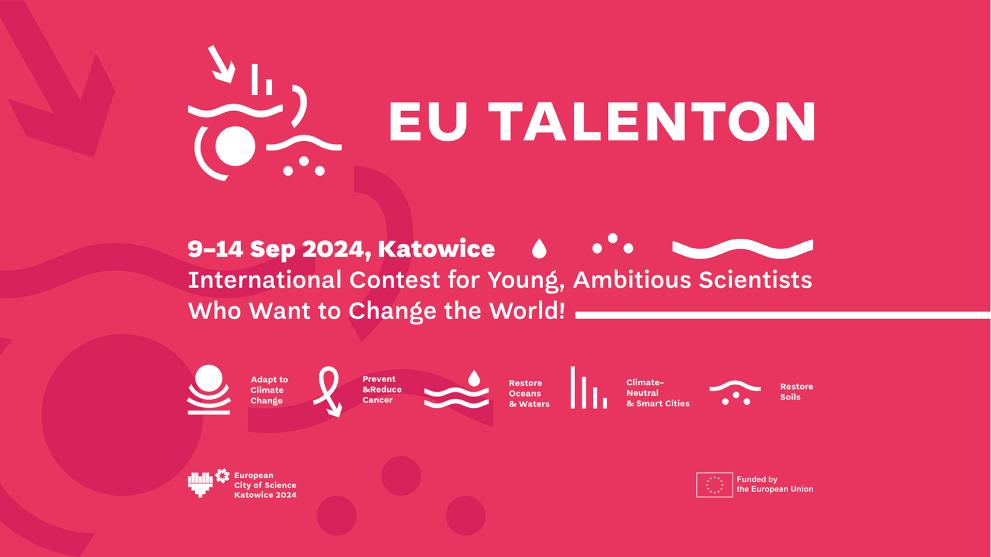
From September 9-14, the EU TalentOn competition for young scientists was held in Katowice, Poland. Students f…
From September 9-14, the EU TalentOn competition for young scientists was held in Katowice, Poland. Students from Tbilisi Medical Academy, Mariam Jorbenadze and Tamar Dandurishvili, took part in the competition. Mariam participated in the Cancer Prevention and Care research group, while Tamar was part of the Oceans and Water Restoration research group.
 Organized
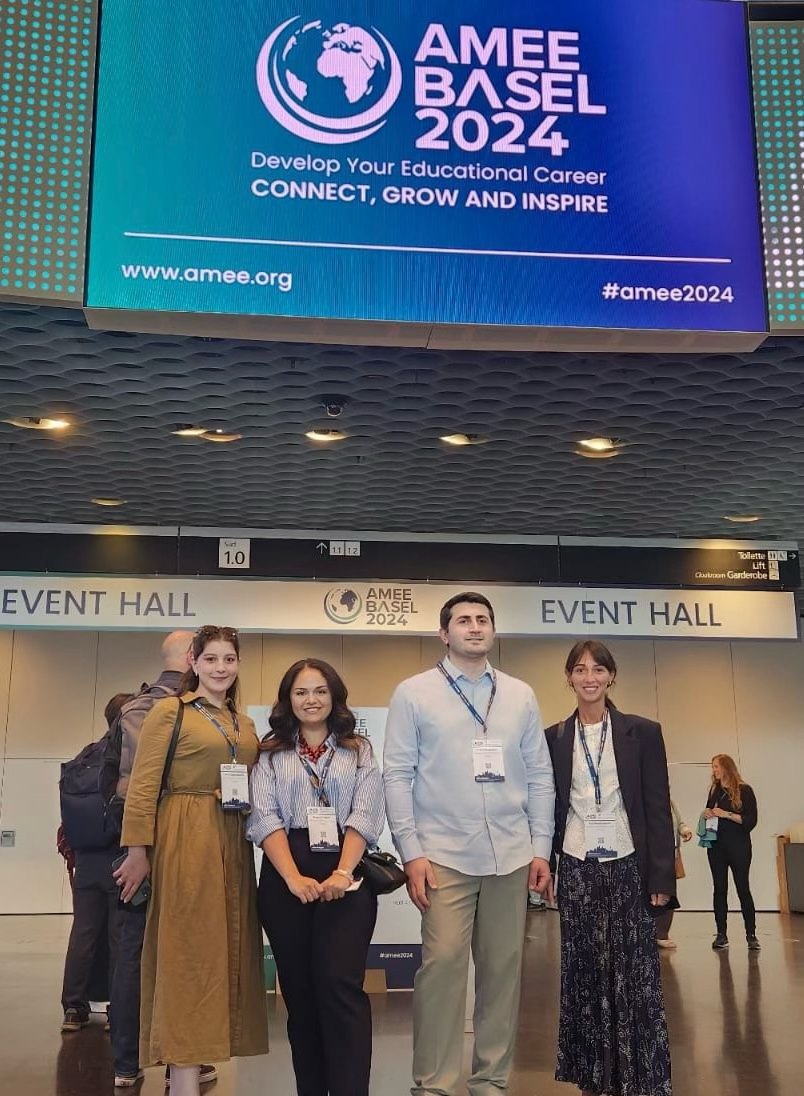
Exploring perspectives on death and dying among final-year undergraduate medical students at Tbilisi Medical A…
Exploring perspectives on death and dying among final-year undergraduate medical students at Tbilisi Medical Academy, Georgia (Kakha Bregvadze, short communication)
Explore to real and virtual patients as professional perception and motivation for preclinical medical students (Magda Tvildiani & Tea Goderdzishvili, short communication, on demand)
Introducing GOTs (growth-oriented tests) - relative freedom with responsibility (Bidzina Chachkhiani & Vakhtang Deisadze, ePoster, on demand)
 Organized
On August 5 within the framework of the "InTech4MED - Innovation and Technology for Medicine" project, Tbilisi…
On August 5 within the framework of the "InTech4MED - Innovation and Technology for Medicine" project, Tbilisi Medical Academy and Ilia State University jointly conducted the course "Medical Data Analysis". The activity was hosted by Ilia State University.
The training covered a range of topics, including the relevance and innovation of research, hypothesis formulation, ethical considerations, database organization, and the application of artificial intelligence possibilities for academic purposes. The participants were also introduced to the simulation platform "Cyber Patient" and its capabilities.
 Organized
From July 29 to August 2, 2024, within the framework of the "InTech4MED - Innovation and Technology for Medici…
From July 29 to August 2, 2024, within the framework of the "InTech4MED - Innovation and Technology for Medicine" project, Tbilisi Medical Academy and Ilia State University jointly conducted the course "Medical Data Analysis". The activity was hosted by Ilia State University.
The course "Medical Data Analysis" was aimed at promoting the development of research skills of young scientists and students. It covered data analysis approaches, principles of data analysis using Python and R, data visualization, detection of outliers and missing values, correlations, and confidence ratios. The format of the "Medical Data Analysis" course was interactive and included a practical component that helped develop the skills needed for modern medical research.
 Organized
The TMA Science Club organized a session titled "Insights from Nature." The students presented unique biologic…
The TMA Science Club organized a session titled "Insights from Nature." The students presented unique biological abilities of various living organisms, such as regeneration and cancer resistance. They discussed research data investigating mechanisms and applications of these biological phenomena, as well as how insights into them can be used to advance medicine.
Talks related to cancer resistance included how deer antlers manage to be one of the fastest growing cancer tissues with very low cancer rates, and molecular mechanisms of how elephants have one of the lowest cancer rates, despite their size. Talks on regeneration included mechanisms of incredible regeneration abilities of axolotl and zebrafish, and successful use of frog skin peptides on human cells and mice for unique wound healing. The students also discussed how bears can control insulin resistance and protein catabolism to avoid metabolic disorders and muscle wasting during hibernation, and potential use of spider silk for tissue and organ engineering. The session ended with one of the most successful examples of medical insights form nature – CRISPR protein, which after being discovered in E. coli, has been a crucial approach in genetic engineering and gene therapy.
 Organized
On June 17, 2024, the hybrid conference "Art and Science of Pediatric Care" was organized by Petre Shotadze Tb…
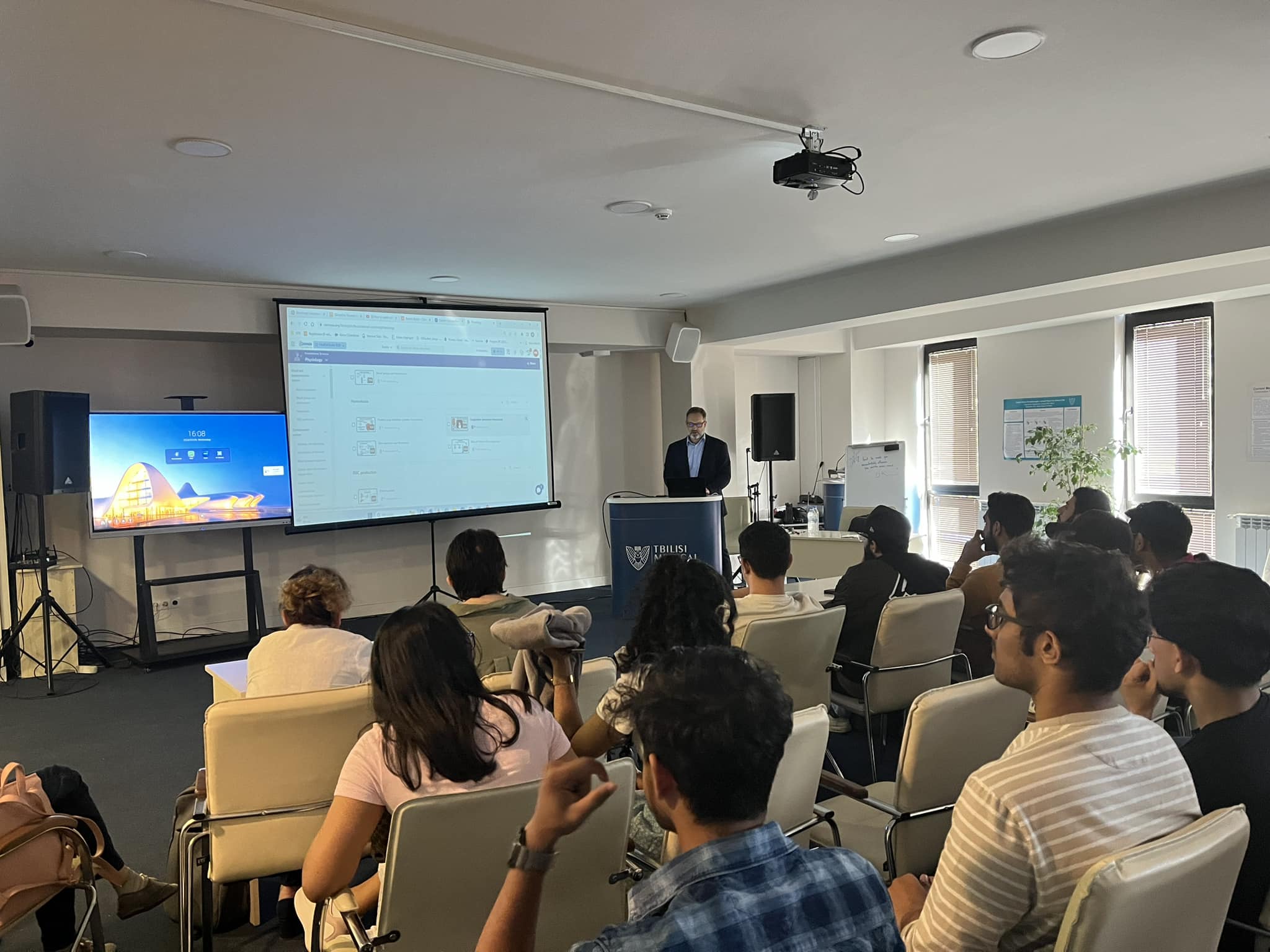
On June 17, 2024, the hybrid conference "Art and Science of Pediatric Care" was organized by Petre Shotadze Tbilisi Medical Academy. The achievements and challenges of pediatric medicine were consideredwithin the framework of the event. In particular, there were presented:
 Organized
In 1928, Alexander Fleming "accidentally" discovered penicillin. He also created the first sketches with micro…
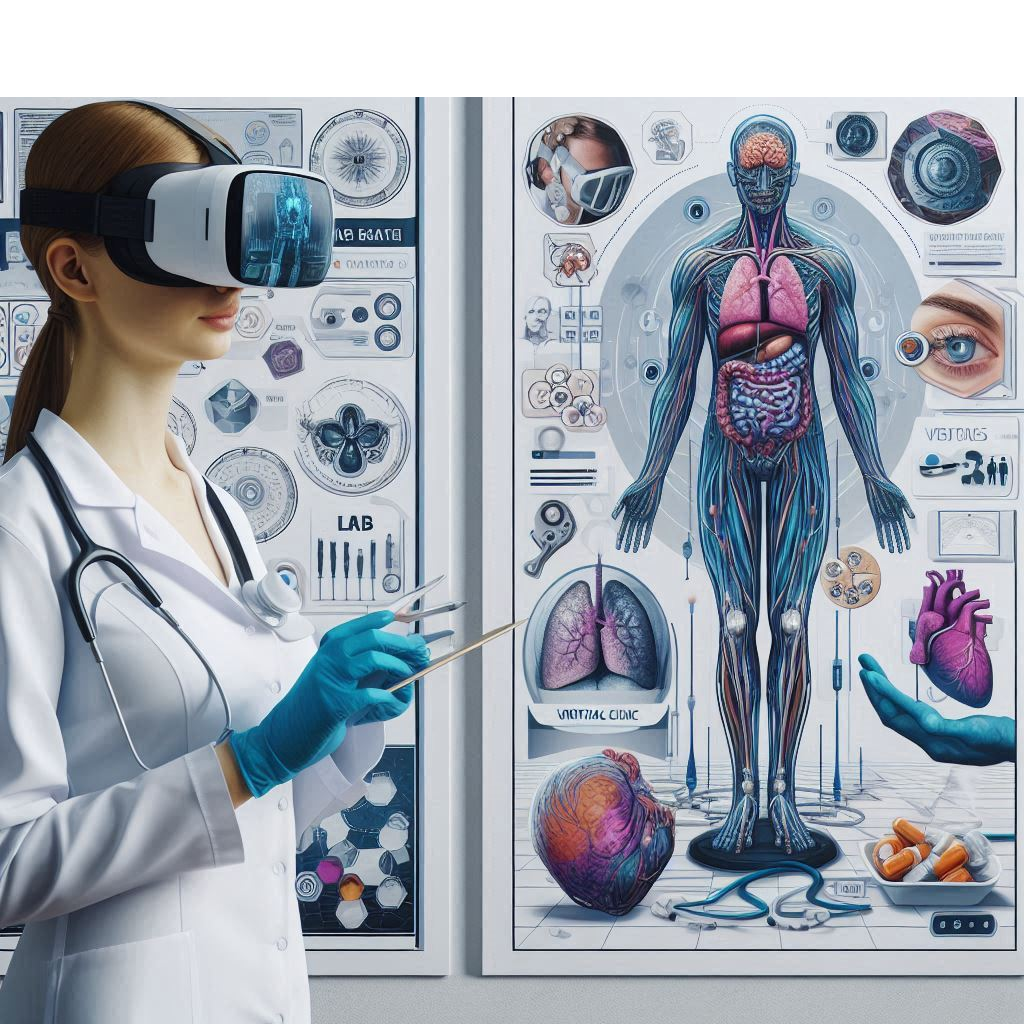
In 1928, Alexander Fleming "accidentally" discovered penicillin. He also created the first sketches with microbes on agar, a method that is widely used today for science communication and is known as "microbial art."
Drawing with microbes ("microbial art"), along with other practical laboratory activities, virtual reality method, the simulation platform "CyberPatient," and the anatomical table, are among the activities scheduled for June 6 and 7 as part of the project "Medicine and Art - Interdisciplinary Approach for Science Popularization". These activities have been implemented for the participants and with their direct involvement.
 Organized
Petre Shotadze Tbilisi Medical Academy was represented at the International Student Congress of (bio)Medical S…
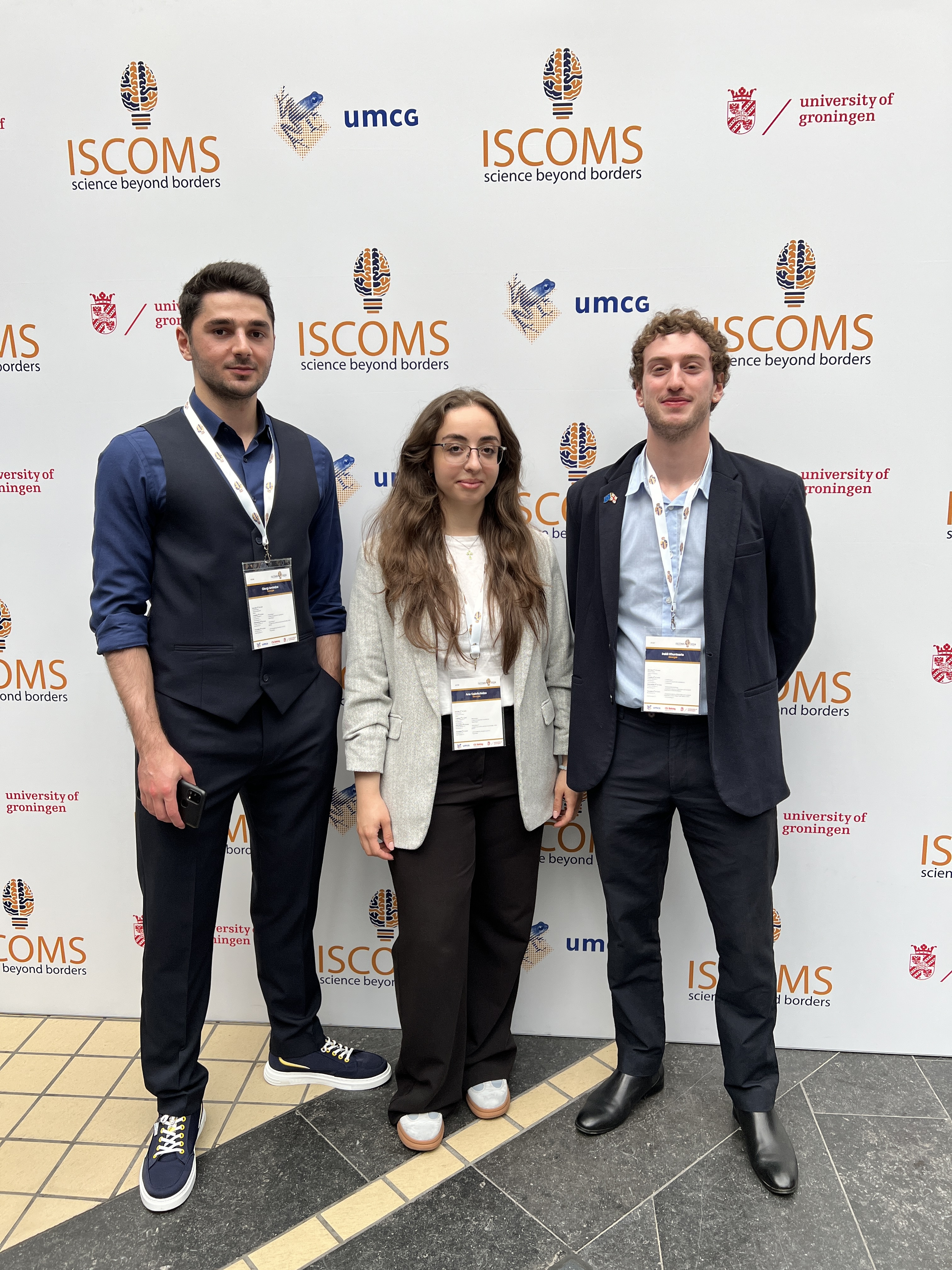
Petre Shotadze Tbilisi Medical Academy was represented at the International Student Congress of (bio)Medical Sciences (ISCOMS), one of the world’s leading student congresses in (bio)medical sciences.
Irakli Khuntsaria made an oral presentation titled "Novel Indicators of Neutrophil Behavior." Ana Gabritchidze and Giorgi Amiridze participated with a poster presentation titled "Cholinergic and GABAergic Neurons from the Basal Forebrain Modulate Memory Function and Neurotransmitter Markers in the Prefrontal Cortex and Hippocampus."
The congress was held from June 3-6, 2024, and was traditionally hosted by the University of Groningen.
 Organized
What is osmosis?A resource that simplifies the learning process.Staring from April 2024, Tbilisi Medical Acade…
 Organized
The XIII Allergy, Asthma, and Clinical Immunology Congress was held in Tbilisi on May 7-10 with the support of…
The XIII Allergy, Asthma, and Clinical Immunology Congress was held in Tbilisi on May 7-10 with the support of the Tbilisi Medical Academy and the organization of the Georgian Association of Allergy and Clinical Immunology (GAACI).
The event was dedicated to the 40th anniversary of the foundation of GAACI. The president of the Congress, academician Revaz Sepiashvili, spoke about the achievements of notable figures in the Georgian medical community, including Petre Shotadze. He solemnly presented a special named souvenir to a family member of Petre Shotadze, TMA associate professor Tamar Shotadze.
Lali Mekokishvili, Dean of the School of Medicine of the TMA, participated in the congress. She presented Petre Shotadze's memorial lecture, "Acne - how our views have changed," at the plenary session. Two dermatology sessions were organized by the Dean and involved the academic staff of TMA. Within these sessions, TMA associate professor, Irma Buchukuri, presented the theme "Vulgar Pemphigus: Modern Standards of Treatment." TMA students also took part in the congress. Nino Gagua, Lizi Mokvanidze, and Tamar Dandurishvili presenting their research findings at the session for students and young researchers.
The school "New Frontiers in Medicine and Biology: Modern Technologies of Clinical Immunology" was also held as part of the congress. It was led by professors from the University of Washington and members of the American National Academy of Sciences. Fifteen TMA students attending the congress participated in this activity.
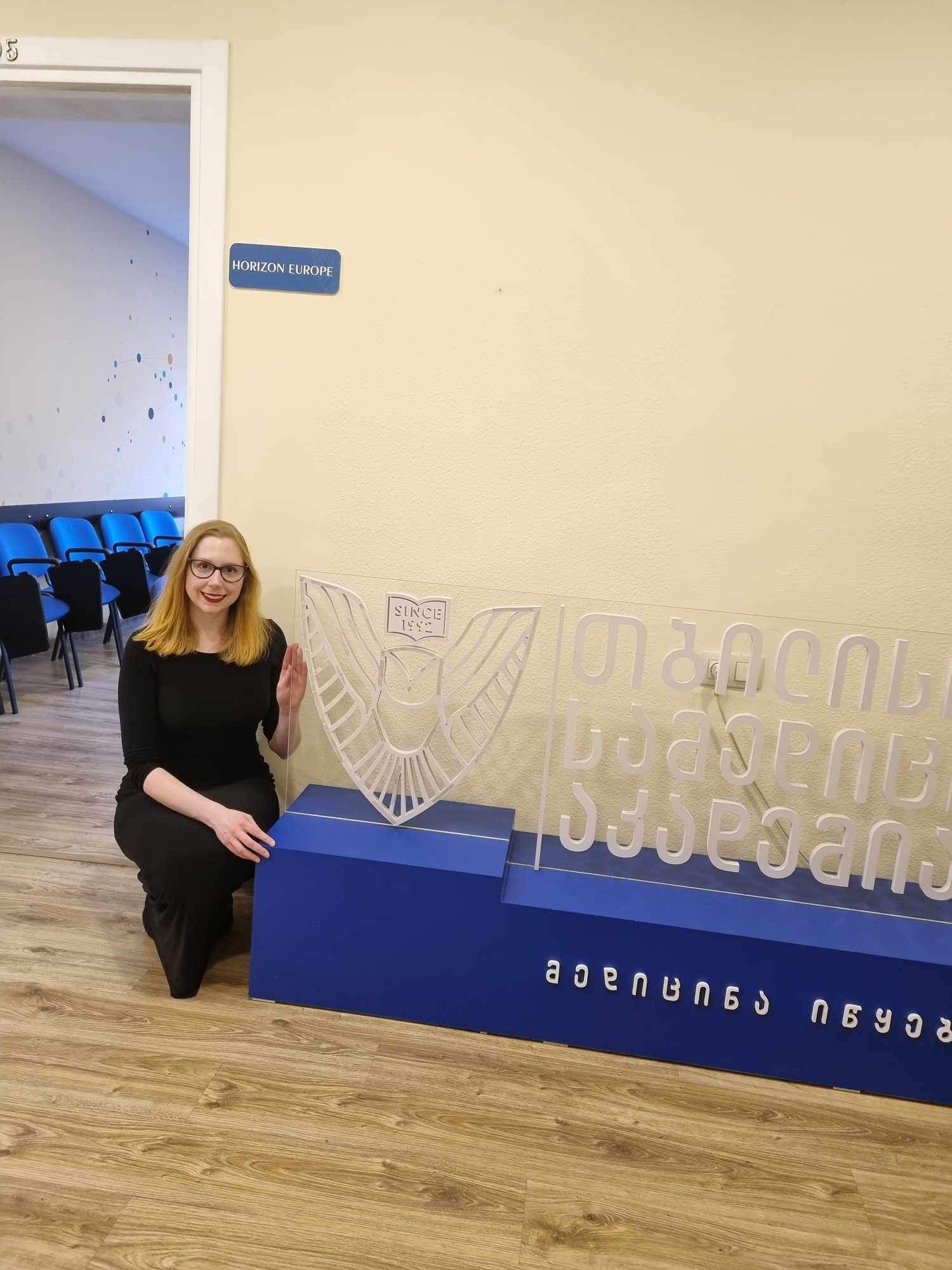 Organized
On April 16-30, within the framework of the Fulbright Specialist Program, Dr. Michelle Burbage (University of …
 Organized
Pivot-RP - resource of Clarivate. It is effective for creation of researcher's online profile, establishing a …
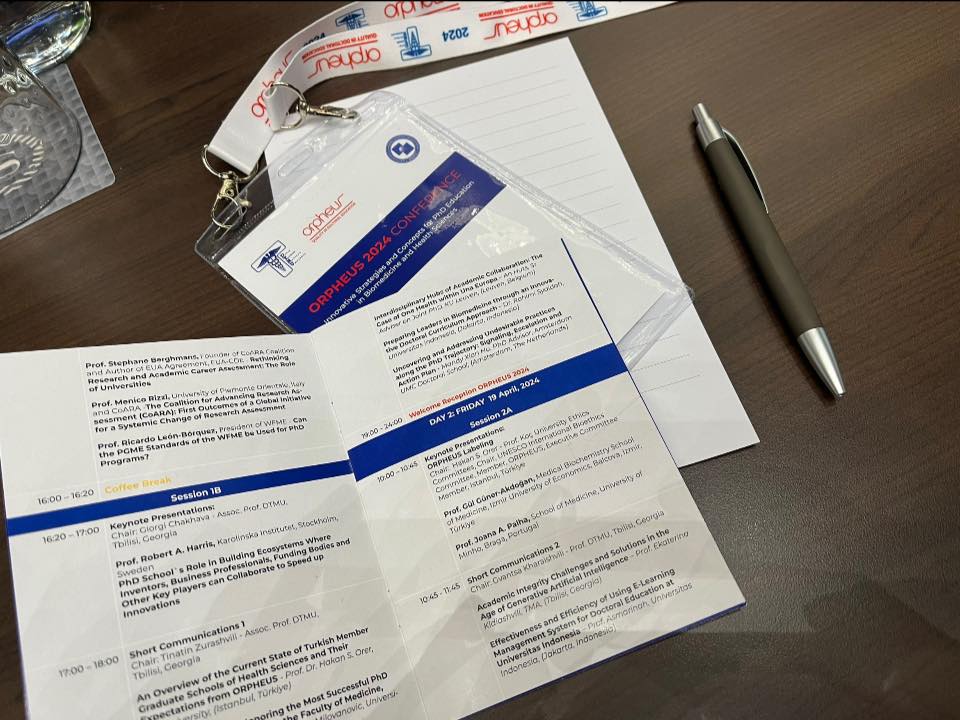 Organized
Tbilisi Medical Academy presented oral presentation - Academic integrity challenges and solutions in the age o…
Tbilisi Medical Academy presented oral presentation - Academic integrity challenges and solutions in the age of generative artificial intelligence.
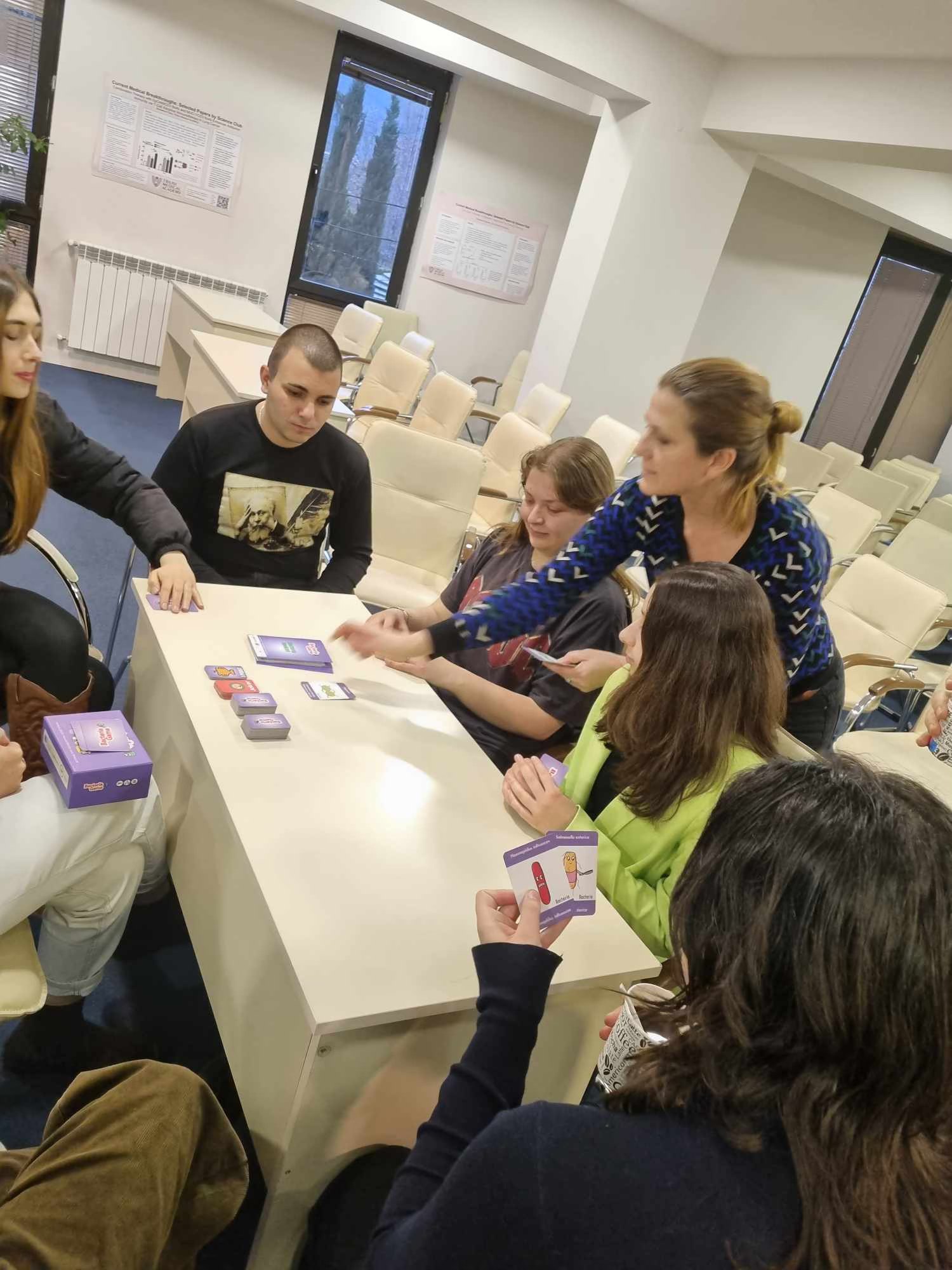 Organized
TMA hosted Mathilde Lescat, associate professor of Sorbonne Université (France) and a member of the Board of D…
TMA hosted Mathilde Lescat, associate professor of Sorbonne Université (France) and a member of the Board of Directors of the French Association of Microbiologists.
She introduced the peculiarities of teaching microbiology to the Georgian audience on the example of France and discussed the importance of educational games.
 Organized
The information on grant writing, research manuscript preparation and technology transfer, academic integrity …
 Organized
On March 14, the TMA Science Club organized the event "Iron and Brain" as part of Brain Awareness Week. The ob…
 Organized
What are the features of a "good" proposal?The main aspects include: relevance and an innovative approach to t…
 Organized
Once upon a time in a petri dish, bacteria played a game of 'hide-and-seek' with antibiotics. Penicillin joine…
Once upon a time in a petri dish, bacteria played a game of 'hide-and-seek' with antibiotics. Penicillin joined the game but was surprised to see bacteria dressed as tiny ninjas with strong shields. Other bacteria were dancing 'Plasmid Shuffle' and sharing maps of special codes.
Super-heroes Amoxicillin, Ciprofloxacin, and their friend PhageMan joined the game. They applied a maneuvr 'Disco-Destruction.' It combined drugs and attacks from a helpful virus to outsmart the bacteria.
In order to discuss the issues of antibiotic resistance in a fun and interactive way, on December 21, within the framework of the "InTech4MED: Innovation and Technology in Medicine" project, Petre Shotadze Tbilisi Medical Academy conducted a hybrid workshop "Antibiotic resistance – game of bacterial thrones".
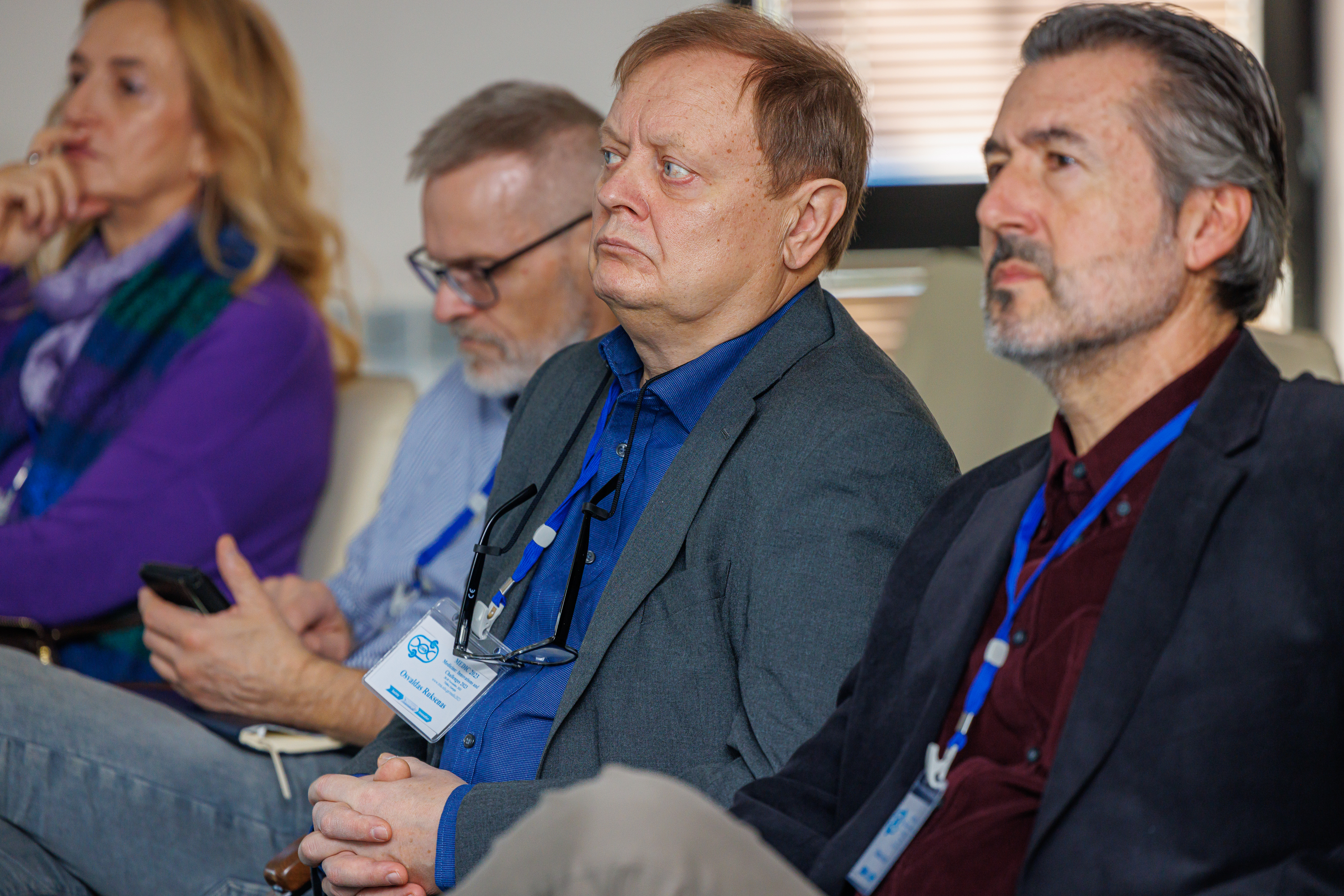 Organized
From November 28 to November 30, 2023, the international scientific conference "Medicine: Innovations and Chal…
From November 28 to November 30, 2023, the international scientific conference "Medicine: Innovations and Challenges 2023 (MEDIC 2023)" was held in a hybrid format, organized by the Petre Shotadze Tbilisi Medical Academy (TMA). The event received accreditation from EACCME®.
The primary objective of the MEDIC 2023 conference was to address current issues in medicine and healthcare, presenting innovative and interdisciplinary research and their outcomes while facilitating interactive activities. Throughout the event, dedicated attention was given to activities aimed at developing the research skills of young scientists and students.
Within the framework of the international scientific conference, discussions covered topics related to doctoral education, research evaluation, ensuring academic integrity in the era of artificial intelligence, and vital themes in medicine such as stem cells, molecular oncology, neurosciences, antibiotic resistance, personalized medicine, patient safety, and medical data analysis.
A satellite symposium was also conducted as part of the "Medicine: Innovations and Challenges 2023 (MEDIC 2023)" conference. The symposium focused on presenting the results of the project "HPV in Georgia," a collaborative effort between TMA and Charite – Universitatsmedizin Berlin.
 Organized
In the early 20th century, the research of Frederick Bunting and Charles Best was pivotal to the care of patie…
In the early 20th century, the research of Frederick Bunting and Charles Best was pivotal to the care of patients with type 1 diabetes. They discovered insulin. The collaboration between Bunting and Best not only led to the discovery of a biologically active protein, it was a major scientific discovery that changed the lives of millions of people around the world.
Insulin is an effective combination of science and technology in the field of medical research. A new era for healthcare has begun with the chain of events from the laboratory to the pharmacy. However, with the discovery of insulin, innovation only began. Drug delivery devices and digital technologies have completely transformed diabetes management, improving patient well-being.
On November 14, within the frames of the project „InTech4MED: Innovation and Technology in Medicine“ hybrid event was held. It aimed to discuss the details of this extraordinary scientific achievement and clinical simulation case.
 Organized
From September 15 to September 24, 2023, TMA hosted an international expert, Professor Mladen Krajacic. During…
From September 15 to September 24, 2023, TMA hosted an international expert, Professor Mladen Krajacic. During the two-day training, the microbiology expert presented the following topics to the students and academic staff of the Academy: Viruses – much more than disease agents and Bacteria – much more than disease agents.
During the meeting, the speaker talked about viruses and bacteria such as natural cohabitants of the human body, of which some are not just harmless bystanders, but contribute significantly to our well-being and normal biological functioning. Also, the speaker reviewed how we can use viruses, bacteria, and their structural elements and enzymes as cellular/molecular tools in biotechnology and molecular medicine.
Mladen Krajacic is a Tenured Full Professor at the University of Zagreb (Department of Biology). As a Head of the Laboratory and principal investigator in several research projects, he has been leading molecular biology investigations on viruses, subviral agents (viroids and satellite RNAs), and non-cultivable bacteria. The results of his investigations have been published in prominent scientific journals, of which some belong to the top 10% in the field.
In 2010 he founded the Division of Microbiology in the scope of the Department of Biology. He was a member of the University Council for Natural Sciences, as well as the Biology Board at the National Scientific Council.
He has long-lasting experience in the evaluation of academic/research institutions, study programs, and research grants, serving as an evaluator on both national and international levels.
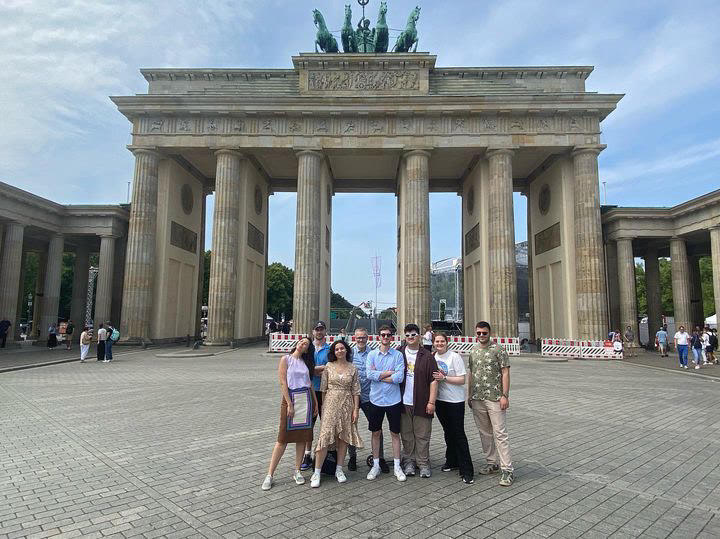 Organized
The Charité Universitätsmedizin Berlin and the Petre Shotadze Tbilisi Medical Academy are realizing the projec…
The Charité Universitätsmedizin Berlin and the Petre Shotadze Tbilisi Medical Academy are realizing the project “The Role of HPV in Cancer in Georgia” which is funded by the German Ministry of Education and Research.
This project aims to organize and implement the discussion of HPV involvement in cancer development and an appraisal of the current status of epidemiology, screening, and treatment to foster the development of screening activities and research.
Within the frames of the project, on June 19-24, 2023 TMA team visited Charité Universitätsmedizin Berlin (Berlin, Germany).
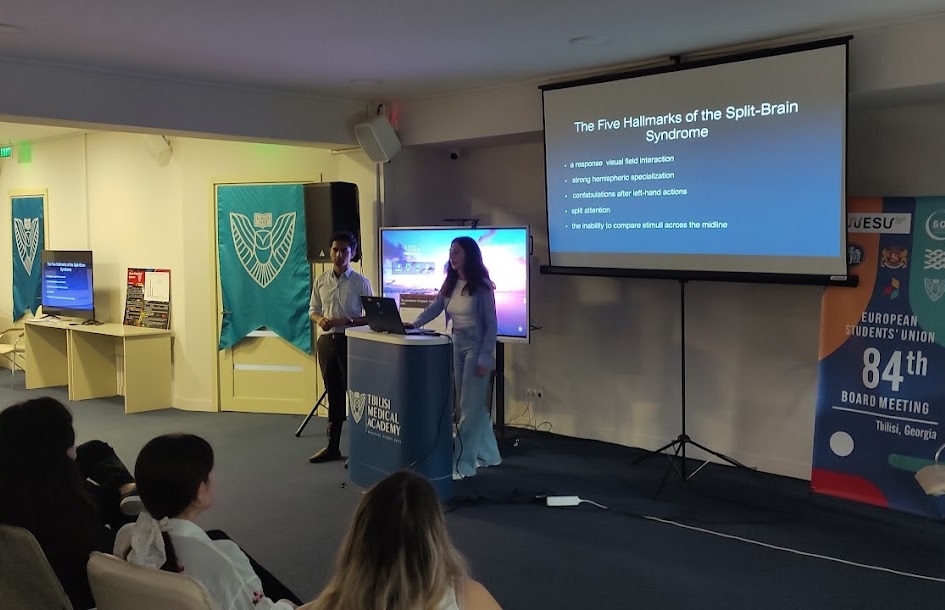 Organized
How different are the images of the environment our brains create? TMA students from the Science Club and the …
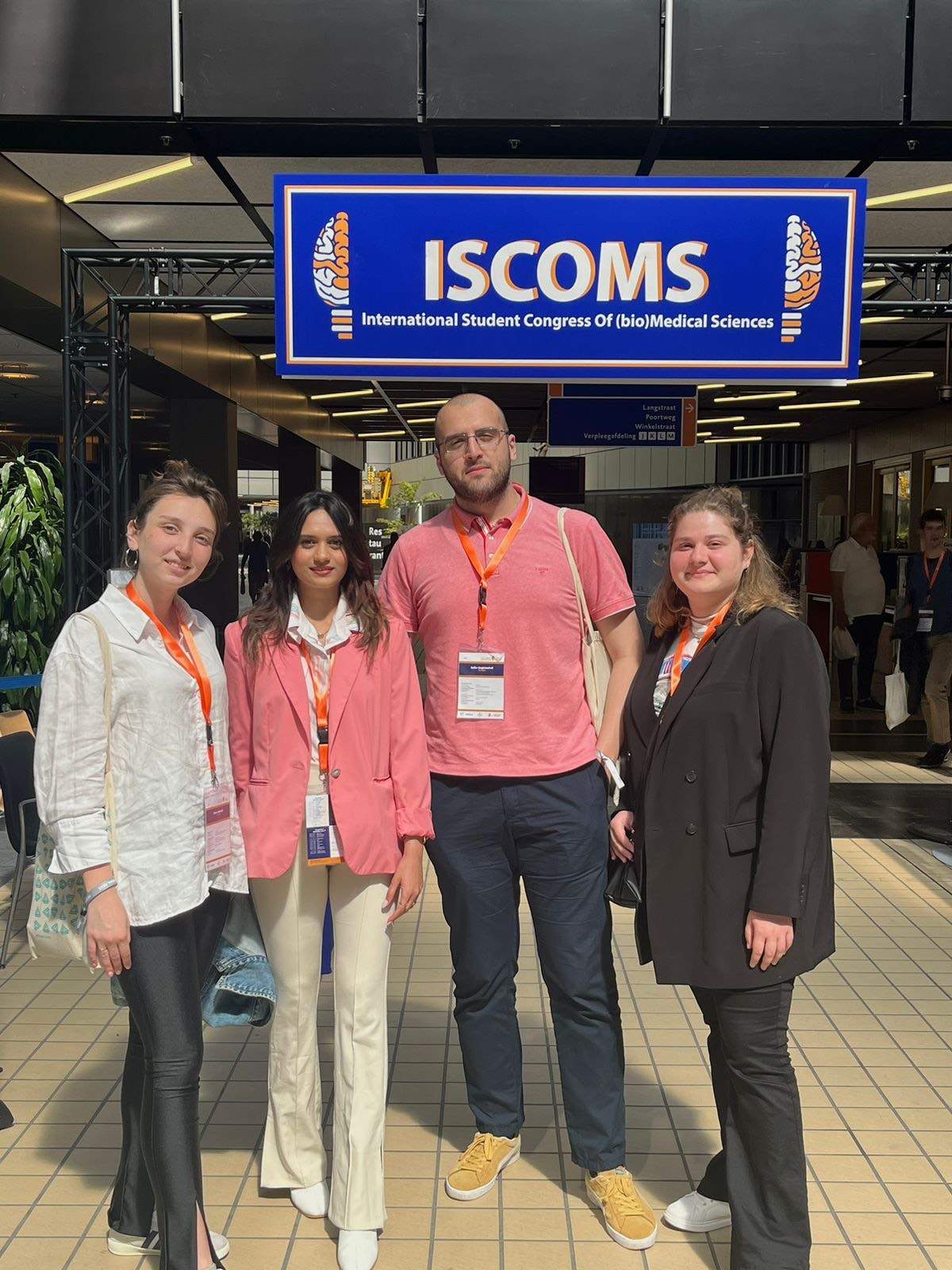 Organized
The students of the Petre Shotadze Tbilisi Medical Academy participated in the International Student Congress …
The students of the Petre Shotadze Tbilisi Medical Academy participated in the International Student Congress Of (bio)Medical Sciences – ISCOMS 2023. They presented data of the realized research projects in the form of:
- Poster “The peculiarities of humoral and cellular immune response after SARS-CoV-2 infection” – Elene Lipartia and Suliko Gogichashvili
- Poster “Nanoparticles as a viable method for increasing the sensitivity of ELISA in the detection of IgG class antibodies” – David Marjanidze
- Oral presentation “The role of SARS-CoV-2 and the development of Autoimmune Rheumatic Diseases (ARDs)” – Tanuja Subhash Bakshi, Elene Lipartia, Elene Liluashvili, Pragya Sharma.
The ISCOMS is one of the world’s leading student congresses in (bio)medical sciences. It is not just any regular congress, this is a non-profit organization made up of students that aims to promote student research and the international exchange of it.
 Organized
The 15th European Digestive Surgery International Conference (European Digestive Surgery 2023), with academic …
The 15th European Digestive Surgery International Conference (European Digestive Surgery 2023), with academic partnership of the Petre Shotadze Tbilisi Medicial Academy and organized by Ilia State University (ISU), was held on April 20-22. The conference program included traditional challenges and modern achievements in digestive medicine as well as in other related fields – oncology, gastroenterology, radiology, transplantology and etc., which were presented by more than 30 high-profile speakers from Europe and other parts of the world. The conference has been accredited by the European Accreditation Council for Continuing Medical Education (EACCME) with up to 13 European CME credits.
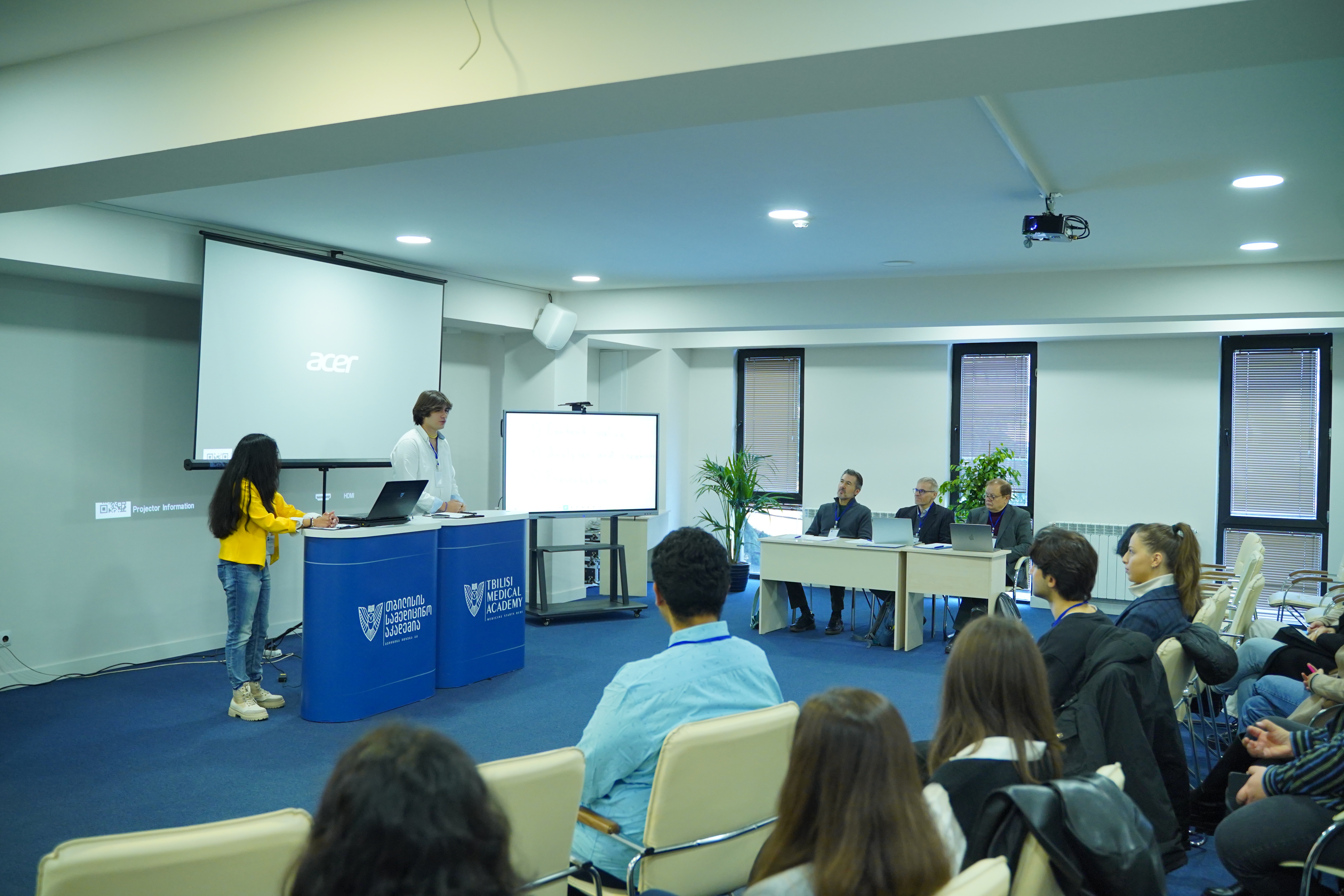 Organized
Petre Shotadze Tbilisi Medical Academy (TMA) held an International Students Symposium "Medicine and Science 20…
Petre Shotadze Tbilisi Medical Academy (TMA) held an International Students Symposium "Medicine and Science 2022" on December 7 within the framework of the 30th anniversary week. The event aimed to promote student research and scientific cooperation. It was attended by the students of universities of Georgia (Ilia State University, Ivane Javakhishvili Tbilisi State University - TSU, Tbilisi State Medical University - TSMU, TMA), Hungary (University of Pecs), Poland (Medical University of Lodz) and Ukraine (Tirnopil National Medical University, Taras Shevchenko National University of Kiev, Paladin Institute of Biochemistry of the National Academy of Sciences of Ukraine). The members of the scientific committee of the event were professors: Andreas Kaufmann (Charité - Universitätsmedizin Berlin, Germany), Mladen Krajcic (University of Zagreb, Croatia), Osvaldas Ruksenas (University of Vilnius, Lithuania).
The scientific committee nominated the following teams in the category of best presentations:
Mariam Kevkhishvili and Konstantine Gachechiladze (TMA) - from exclusion to avoidance;
Gyorgy Bokerya (TSU) - Aortic valve neocuspidization with glutaraldehyde-treated autologous pericardium (Ozaki procedure) in Georgia.
The members of organizing committee of the International Students Symposium "Medicine and Science 2022" were TSA students, they also nominated their favorites:
Tamar Dandurishvili - Amygdala and hippocampal subregions mediate outcomes following trauma during typical development
Diana Mamuladze - Pros and cons of alternative medicine.
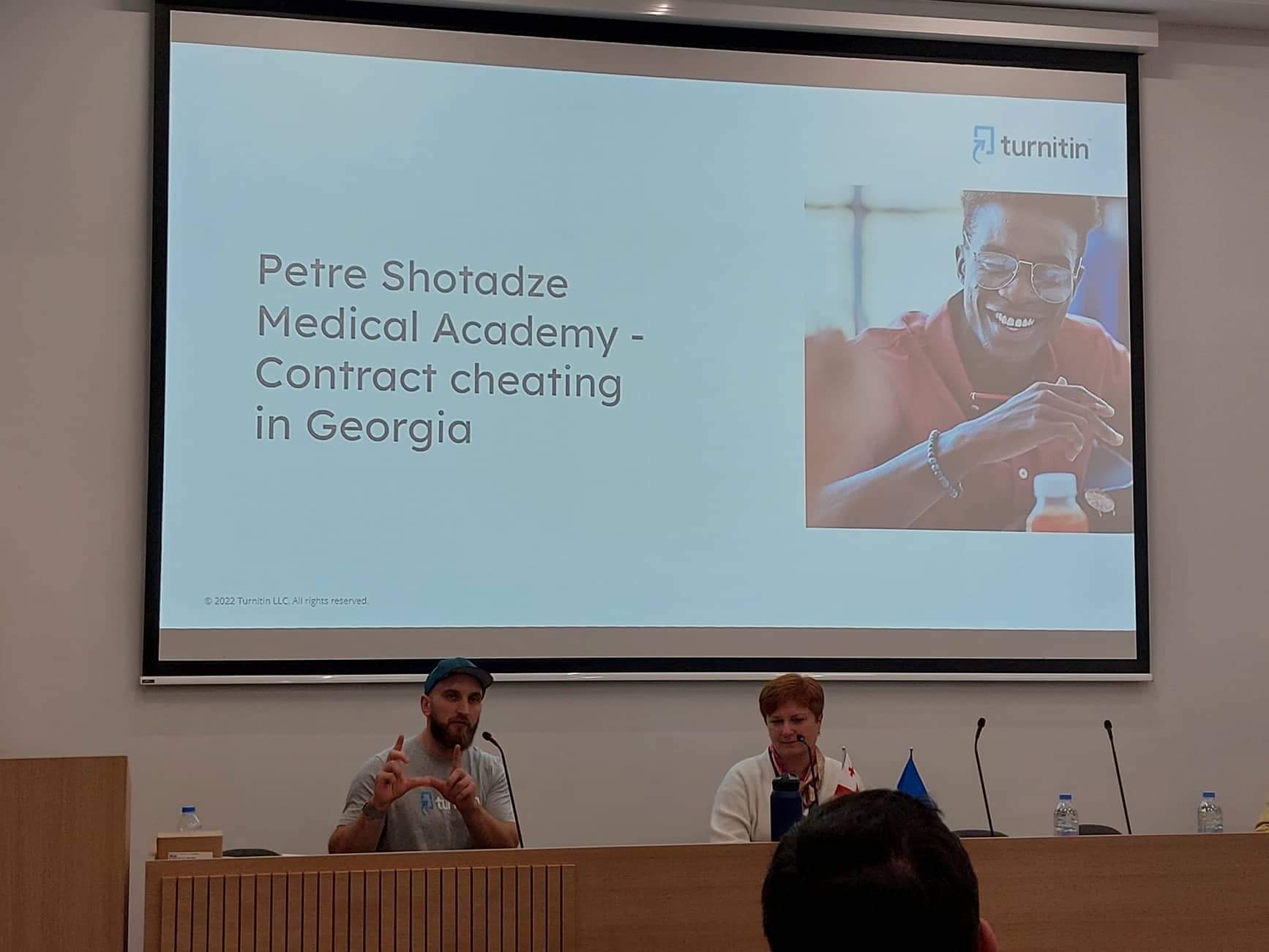 Organized
Contract cheating isn’t just about education, it’s about society and the credibility and trust in academic qua…
Organized
At October 19th the training “Academic integrity as a component of social responsibility” was held at Petre Sh…
At October 19th the training “Academic integrity as a component of social responsibility” was held at Petre Shotadze Tbilisi Medical Academy. The event has been performed by Jason Gibson (Senior Professional and Educational Services Consultant, Turnitin). He presented the software Turnitin and reviewed the following themes:
Specific focus was given for review and understanding of document metadata and authorship report interpretation.
The training “Academic honesty as a component of social responsibility” was held within the framework of the World Bioethics Day 2022, which is dedicated to the theme “Social responsibility for health”.
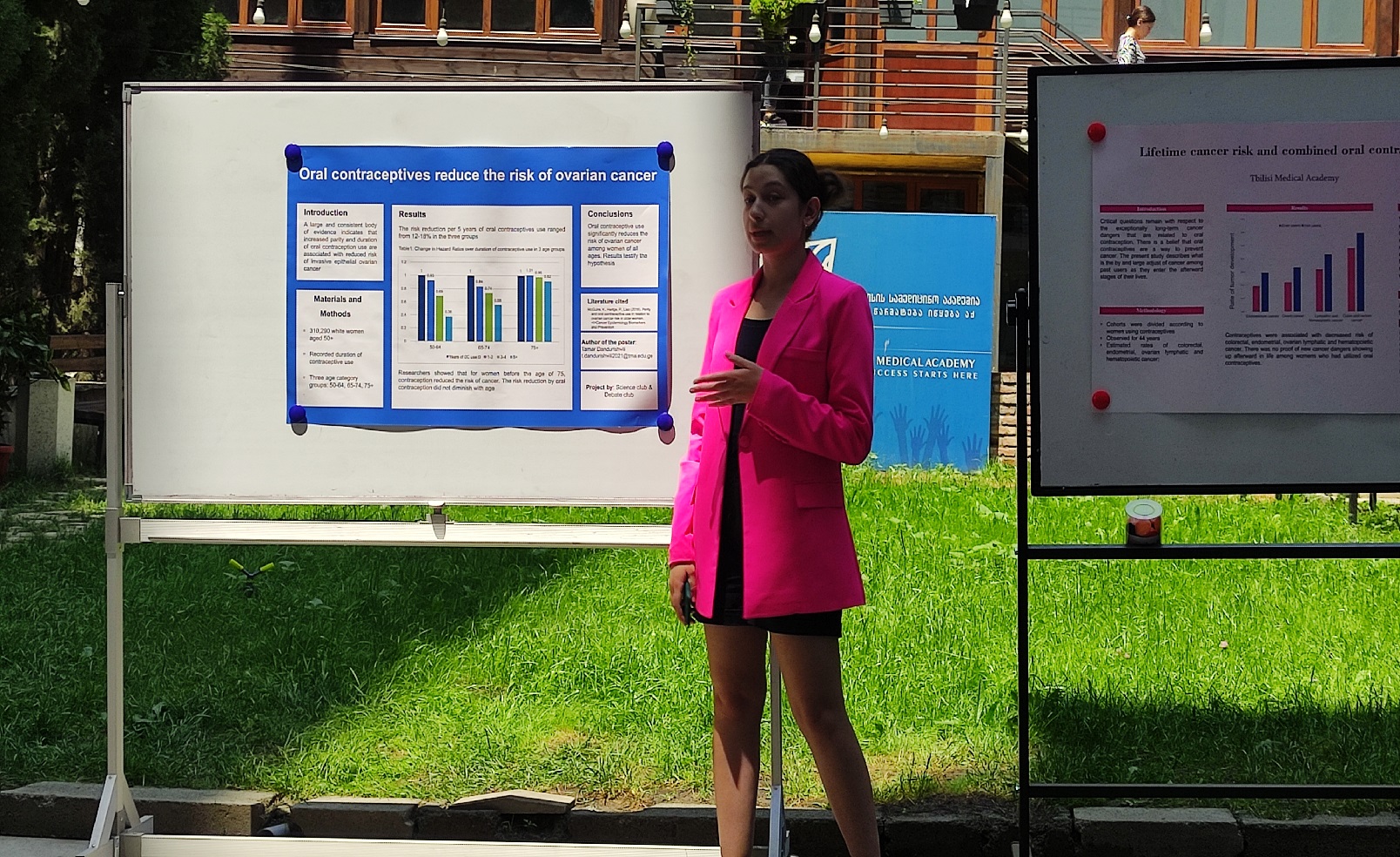 Organized
On June 21-22 Debate and Science Clubs held a joint project - students’ poster conference “Oral contraceptives…
On June 21-22 Debate and Science Clubs held a joint project - students’ poster conference “Oral contraceptives and Cancer”. Participant students presented thematic, actual research studies in the form of posters. The attendees of the event had an opportunity not only to familiarize themselves with the provided information, but also ask the questions to the posters authors.
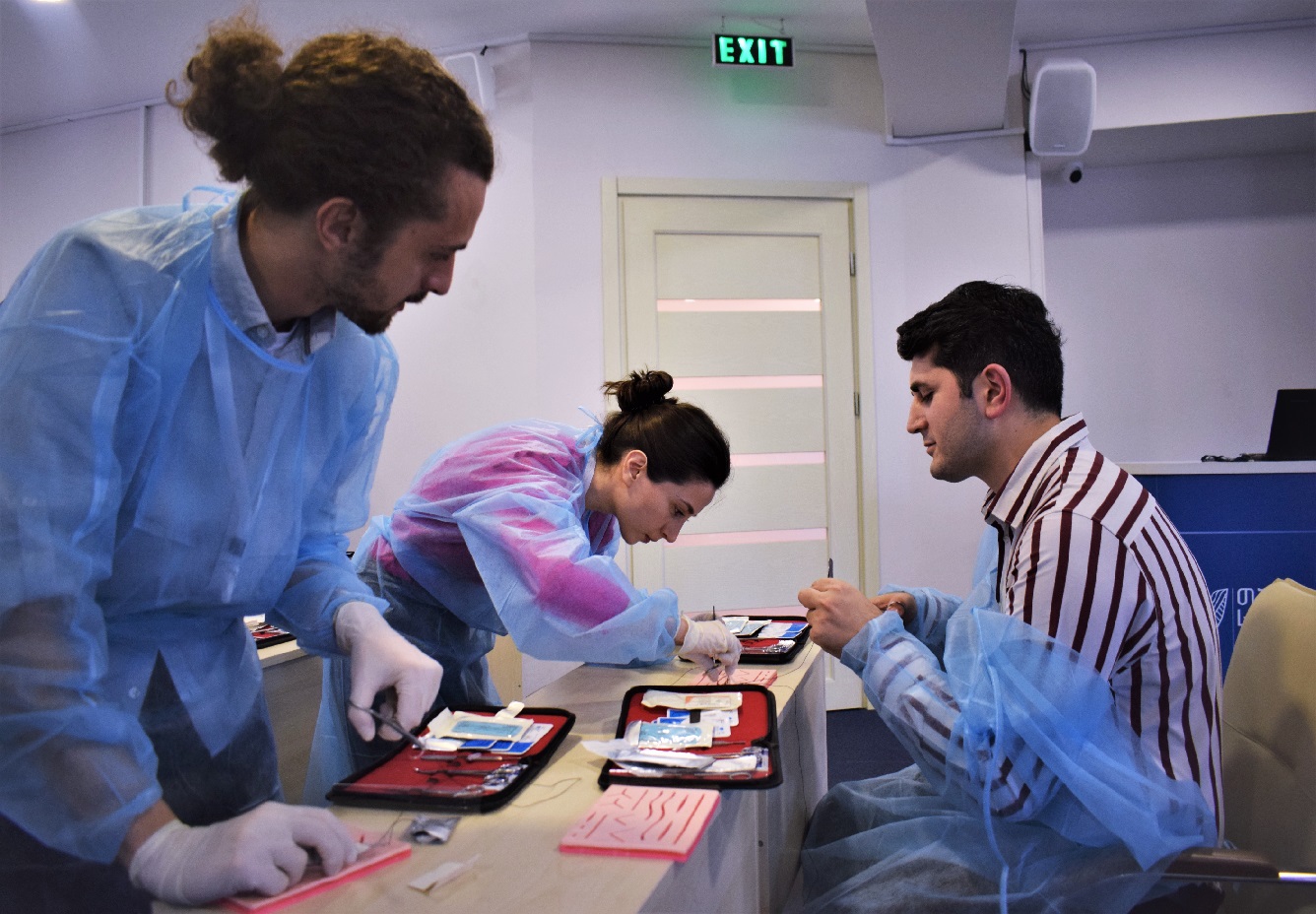 Organized
With participation and support of Petre Shotadze Tbilisi Medical Academy (TMA) the 3rd International Transcauc…
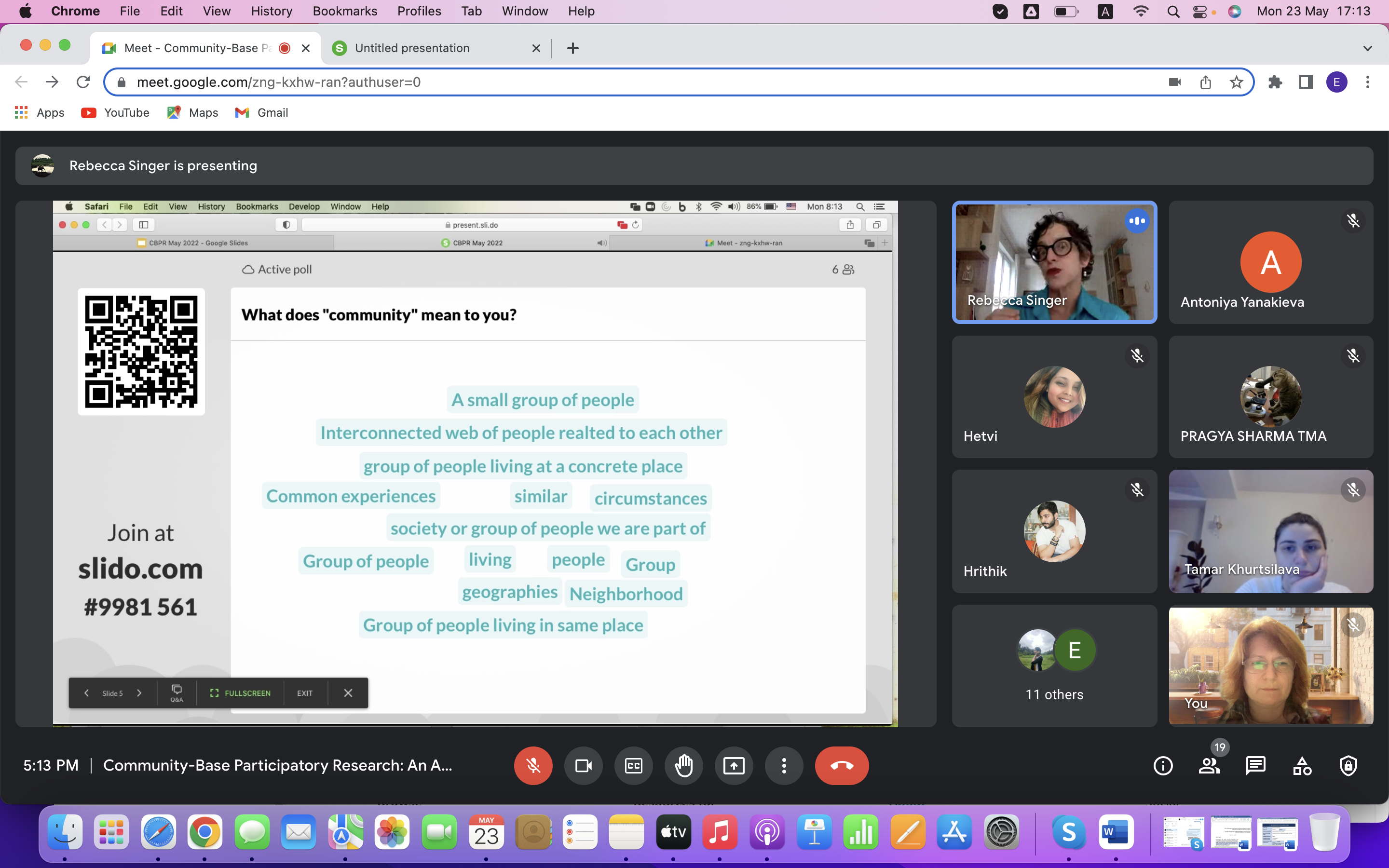 Organized
The online lecture "Community-Base Participatory Research: An Approach for Public Health" has been held on May…
The lecture was given by Professor Rebecca Singer from University of Illinois Chicago College of Nursing (USA). Professor Singer is Fulbright Fellow and visiting professor in Medical University Sofia.
Synopsis of the lecture:
Public health problems are complex, and we are continually seeking out creative, evidence-based, and acceptable solutions that include bio-medical, social and political dimensions. Practitioners and researchers recognize the importance of participatory research approaches that include the communities experiencing challenges as a way to build our knowledge and skills so that together we will have a clearer understanding of the problems that we face. We will then leverage these relationships to help us address these challenges collectively. The talk were focused on community-based participatory research as an effective approach to addressing public health challenges faced by our communities. The history of the approach, core principles and challenges were explored with highlighting public health research in Bulgaria, Georgia and the United States to demonstrate its potential.
Organized
On September 24 the scientific conference “Medicine and Art 2022” was held within the framework of the project…
 Organized
On May 6th, 2022 by organization of Science Club of Tbilisi Medical Academy there were performed hybrid sympos…
On May 6th, 2022 by organization of Science Club of Tbilisi Medical Academy there were performed hybrid symposium “Personalized Medicine”. In the frames of the event the students of Tbilisi Medical Academy and Ataturk University presented the following themes:
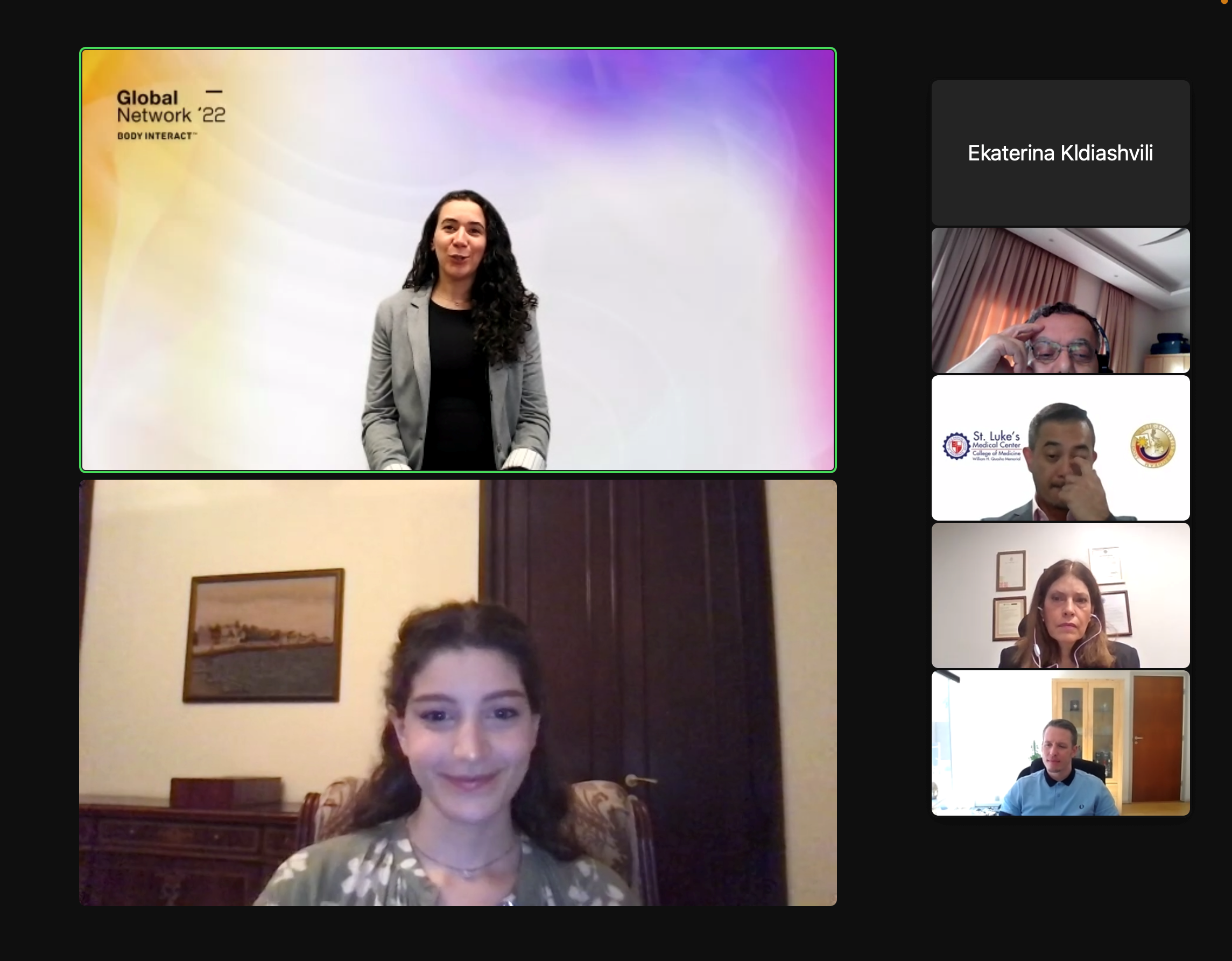 Organized
On April 27, 2022 Dea Goderdzishvili, Medical Education and Research Specialist of Tbilisi Medical Academy mad…
On April 27, 2022 Dea Goderdzishvili, Medical Education and Research Specialist of Tbilisi Medical Academy made an oral presentation “Body Interact as a Tool for Clinical Reasoning Development” at Body Interact Global Network online event. The presentation aimed sharing of data of Body Interact simulation platform pilot application at Tbilisi Medical Academy. Dea especially focused on evaluation of simulation platform possibilities from student and medical educator perspectives.
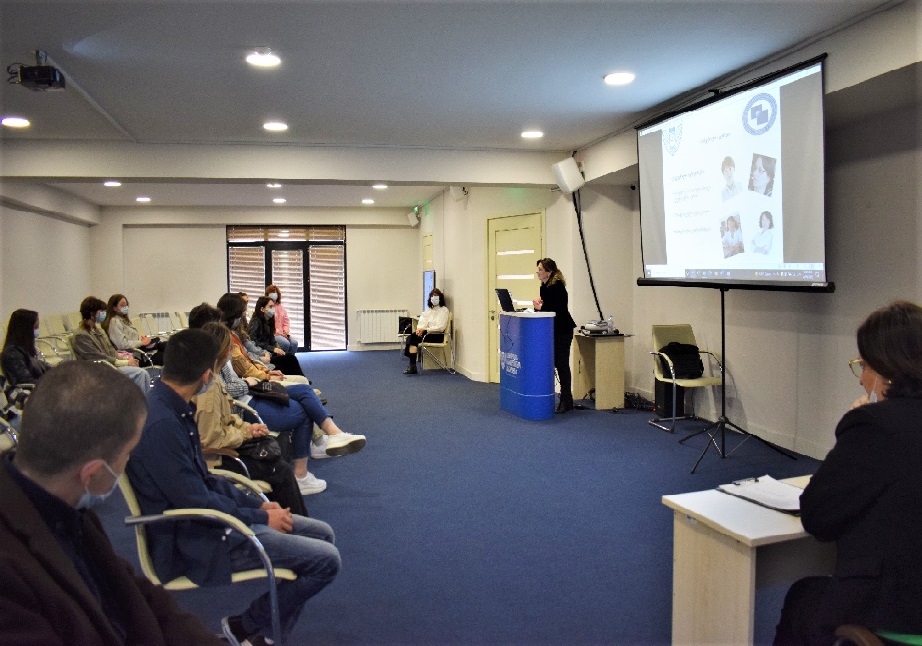 Organized
In the frames of Tbilisi Medical Academy project “Medicine – the story presented by art” on April 19-20 there …
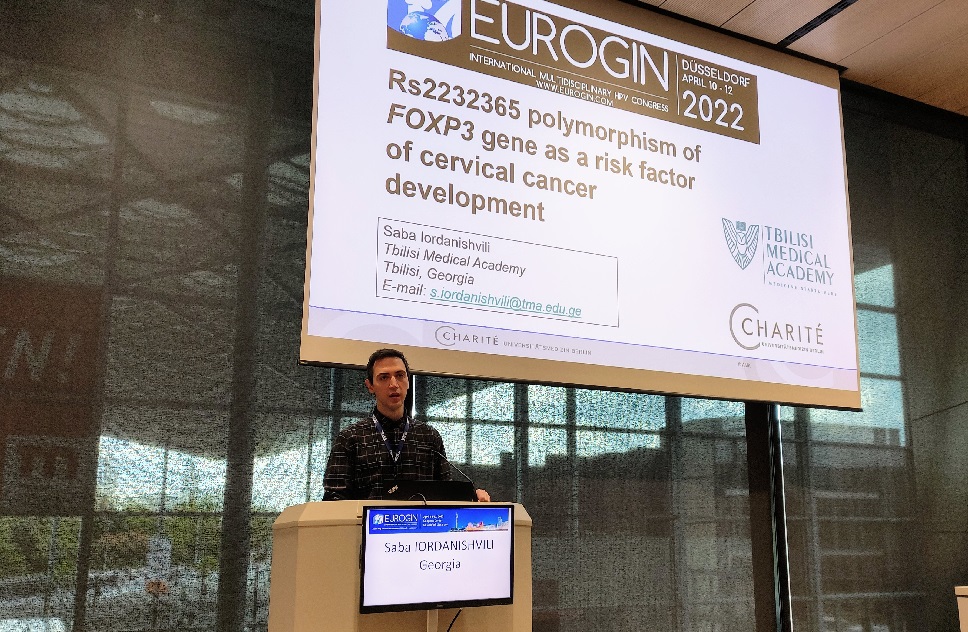 Organized
On April 10, 2022, the staff member of Scientific-Research and PhD Department of Tbilisi Medical Academy - Sab…
On April 10, 2022, the staff member of Scientific-Research and PhD Department of Tbilisi Medical Academy - Saba Iordanishvili. gave oral presentation ´´Rs2232365 polymorphism of FOXP3 gene as a risk factor of cervical cancer development´´ at the international multidisciplinary congress EUROGIN in the frames of twining project ´´The Role of HPV Cancer in Georgia´´. The twining project is funded by German Ministry of Education and Research and is realised in collaboration with Charité Universitätsmedizin.
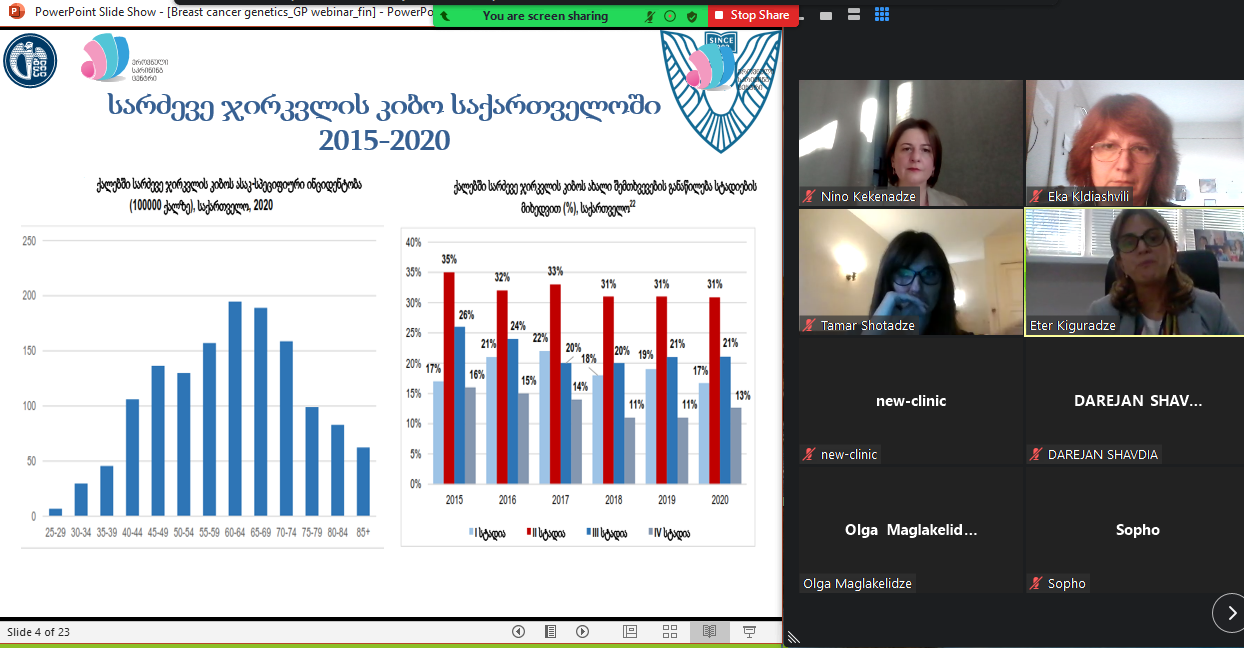 Organized
Within the frames of the campaign #ICAREABOUTYOU the Tbilisi Medical Academy in collaboration with the Nationa…
Within the frames of the campaign #ICAREABOUTYOU the Tbilisi Medical Academy in collaboration with the National Screening Center conducted a webinar “The Personalized Aspects of Breast Cancer”. The event aimed to provide the general practitioners the scientific evidence on genetical aspects of breast cancer and their importance in the process of this disease management.
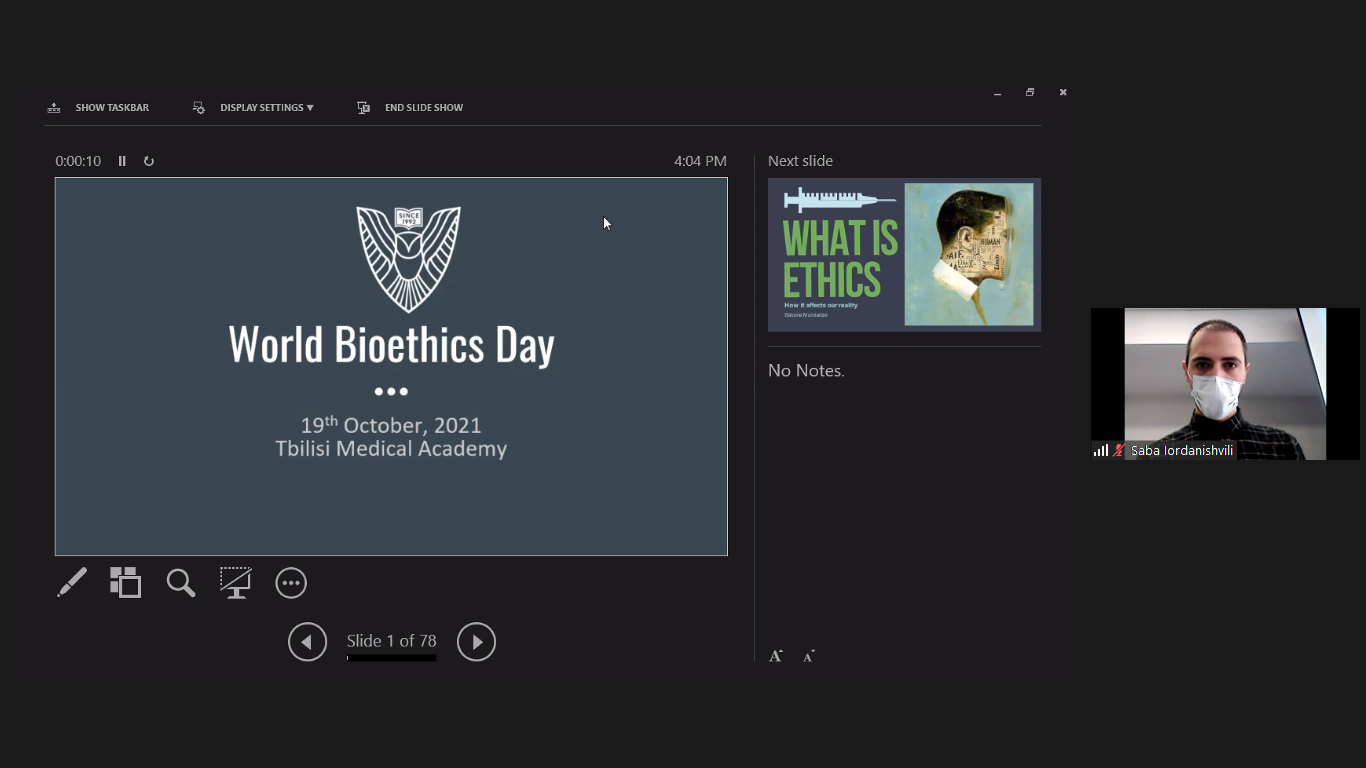 Organized
Within the frames of World Bioethics Day, TMA students (Aleksandre Saghliani, Ana Turnava, Ankith Kavintarikat…
Within the frames of World Bioethics Day, TMA students (Aleksandre Saghliani, Ana Turnava, Ankith Kavintarikath, Ajinkya Naresh Gaikwad, Tamar Dandurishvili, Nino Gagua, Rishu G. Shah, Salome Mumladze, Ginu Joseph) organized a hybrid meeting, to discuss ethical issues related to compulsory vaccination, along with the bioethical analysis of the movie “Contagion”. The audience had the opportunity to engage in discussion and express their opinion via live online polls. #WorldBioethicsDay2021 #SRNSFG
Organized
Within the frames of the campaign #ICAREABOUTYOU, the Petre Shotadze Tbilisi Medical Academy conducted a webin…
Within the frames of the campaign #ICAREABOUTYOU, the Petre Shotadze Tbilisi Medical Academy conducted a webinar "Actual Tasks of COVID-19". The event aimed to provide healthcare professionals with the latest scientific evidence concerning the mentioned disease, with special emphasis on issues related to effective implementation of COVID-19 vaccination, and communication with patients.
Organized
On September 25, 2021 at online conference “Science popularization – successful events” there was presented th…
Organized
The webinar "COVID-19 vaccination - myths and facts" has been organized by the Petre Shotadze Tbilisi Medical …
Organized
On August 27-30, 2021, Petre Shotadze Tbilisi Medical Academy (TMA) participated in a virtual conference organ…
On August 27-30, 2021, Petre Shotadze Tbilisi Medical Academy (TMA) participated in a virtual conference organized by the International Association for Medical Education (AMEE). TMA presentation was made by Tsisana Lomashvili, Head of MD Programs. She presented on the topic of “Impact of Preclinical Flipped Classroom on Critical Thinking, Group working and Independent Learning Abilities from Students’ Perspective”. Co-authors: Tsisana Lomashvili, MD, Petre Shotadze Tbilisi Medical Academy (TMA), Ia Khakhutaishvili, MD, PhD, (TMA); Tinatin Chikovani, MD, PhD, Tbilisi State Medical University (TSMU), Leila Akhvlediani, MD, PhD, BAU International University Batumi (BAU), Levan Metreveli, MD, PhD, (BAU). The research shared by Tsisana Lomashvili was conducted within the scope of the RESME course training at the AMEE International Networking Center (Tbilisi), led by Professor David Tailor. Three Georgian institutions collaborated in the study: Tbilisi Medical Academy (TMA), Tbilisi State Medical University (TSMU) and International University Batumi (BAU). TMA joined the AMEE International Conference in 2016 with the status of an attendee, whereas in 2017 it already presented a poster-presentation on the introduction of an Objective Structured Practical Exam (OSPE) in the curriculum. The Association for Medical Education in Europe (AMEE) is a worldwide organization with members in 90 countries on five continents. The AMEE conference is the leading annual event for all stakeholders in medical and healthcare education. The 2021 AMEE Conference was attended by experts in the field of medical education and healthcare, who shared their experiences through plenary sessions, symposia, seminars and workshops.
Organized
Tbilisi Medical Academy hosted an international online conference about Planetary Health. Conference was hoste…
Organized
On July 7th, 2020 Petre Shotadze Tbilisi Medical Academy Professor, Ekaterina Kldiashvili, participated in onl…
On July 7th, 2020 Petre Shotadze Tbilisi Medical Academy Professor, Ekaterina Kldiashvili, participated in online webinar “Practical and Clinical Considerations for Telepathology” by the presentation “Telepathology in Georgia – Background, Realities and Perspectives”. This was a review of eHealth and Telepathology focused projects those were performed under the scientific leadership and supervision of Ekaterina.
Organized
Planetary health, an interdisciplinary field encompassing medicine, public health, social sciences, environmen…
Planetary health, an interdisciplinary field encompassing medicine, public health, social sciences, environmental science, etc., is focused on examining the consequences of man-made disruptions to our ecosystem which consequently affect human health. During her talk, alongside discussing a variety of themes illustrating challenges in this emerging field, Mariam (Maka) Maglakelidze, the Dean of the School of Medicine of TMA, highlighted COVID-19 Pandemic as a quintessential planetary health problem, reflecting the rupture of the human relationship with the natural world and will accentuate solutions needed to overcome environmental threats and to protect human health and planet we are living on.
Organized
On behalf of the UNESCO Bioethics Committee of the Petre Shotadze Tbilisi Medical Academy Dean of School of Me…
On behalf of the UNESCO Bioethics Committee of the Petre Shotadze Tbilisi Medical Academy Dean of School of Medicine and the member of the mentioned Committee, Dr. Mariam (Maka) Maglakelidze, on November 18th, 2020, organized the webinar "Public health relevance of air pollution and COVID-19 pandemic". Public health relevance of air pollution is not a questionable issue any more; it is the leading environmental cause of death in the EU, and a critical risk factor for non-communicable diseases (NCDs): Up to 1/3 of deaths from the leading NCDs (stroke, lung cancer, heart attacks and chronic obstructive pulmonary disease) are due to air pollution. COVID-19 pandemic provided a new context for examining the public health implications of air pollution, which had been challenging for researchers and policy-makers to understand. Health risks of air pollution are small on an individual scale, but involuntarily affect everyone, and are increased with the prolonged exposure, thus becoming more significant on a public health scale. It makes this health risk factor important to be examined from a bioethical point of view.
Organized
In May, 2020 Petre Shotadze Tbilisi Medical Academy Associated Professor, Gela Beselia, participated in intern…
Organized
European Researchers’ Night is the festival of science and innovation, which is held with the participation of…
Organized
Tbilisi Medical Academy hosted an international student conference “Improving the clinical thinking to improve…
Organized
Petre Shotadze Tbilisi Medical Academy strives to facilitate development and enhancement of scientific potenti…
Petre Shotadze Tbilisi Medical Academy strives to facilitate development and enhancement of scientific potential among TMA students. Hence, during 2017, in the frames of TMA Scientific-Research Grant programme, was funded a project, which was designed and implemented by Youth Scientific Union of Georgia (YSU) and involved active participation of TMA students. The project aimed to assess among laboratory mice circulating corticosterone and growth dynamics of Erlich carcinoma under stress conditions.
With active support from TMA, were organized trainings for project-involved young scientists, regarding planning and maintenance of experimental studies. Should be also noted, that an important part of the project was carried out on the TMA-based laboratory, under active supervision and contribution of TMA Department of Objectively Structured Examinations and Clinical Skills.
It is noteworthy, that on different levels of implementation, project involved participants from Ivane Beritashvili Experimental Biomedicine Centre, National Centre for Disease Control. (NCDC) Tbilisi State Medical University (TSMU), Lugar Center Tbilisi, Immunology Laboratory of Agrarian University of Georgia, Non-Governmental Organization – “Association of Laboratory Animal Science” and Students’ Scientific-Research Club “Vitalis”.
Intermediate results of the study were introduced to scientific audience at Ivane Beritashvili Experimental Medicine Centre, in October 2017 on “Young Scientists’ and Students’ Scientific Conference”. The conference was organized in frames of annual Science and Innovations Fair of Georgia.
Currently, final results of the study are being processed and summarized. Final results of the study are expected to be delivered in terms of a scientific article.
TMA encourages students’ involvement in scientific-research activities, expresses gratitude towards project-involved students for their active and valuable contribution and intends to support further scientific-research projects and events.
Organized
On December 17, 2016 “Medi Club Georgia” hosted Student’s Scientific Conference, dedicated to the problems and…
Organized
On June 4, 2016 Tbilisi Medical Academy hosted XVIII Annual Student Scientific Conference, in frames of which …
Organized
From November 2015 to April 2016, Fridon Todua Research Institute of Clinical Medicine hosted IV year students…
From November 2015 to April 2016, Fridon Todua Research Institute of Clinical Medicine hosted IV year students of TMA International Faculty, Dumpati Tirupathi and Alsaeiaf Mohammad Ridha Imadi Mashhad, who conducted retrospective student researches on “Advantages of Palliative Radiotherapy” and “Acute Skin Toxicity in Radiotherapy”. The projects were supervised by Head of Radioactive Oncology Department, Dr. Irakli Zumbadze. The results, obtained during study, were presented by students on IV International Congress of Radiologists, at Hotel “Radisson Blue Iveria”, organized by Association of Georgian Radiologists and Research Institute of Clinical Medicine on May 7-8, 2016. The presentations evoke interest of attending scientific society and deserved wide interest. TMA administration would express gratitude towards scientists and managements of Association of Georgian Radiologists and Research Institute of Clinical Medicine and congratulate students with this success. </p>
Organized
From January 2016 until present, in the frames of Tuberculosis Management State Program, National Centre of Tu…
The "Medicine and Art" Kids University represents a transdisciplinary initiative undertaken by Petre Shotadze Tbilisi Medical Academy, with the primary objective of imparting knowledge about medicine and art to pupils and students in an engaging, tangible, and holistic manner. This initiative has received financial support from the Shota Rustaveli National Science Foundation of Georgia, as part of the science popularization targeted call for proposals conducted in 2019 and 2021.

The Grinning Death – is a deadly disease characterized by painful contractions of body muscles; prolonged cramps of the patients mimic muscl…
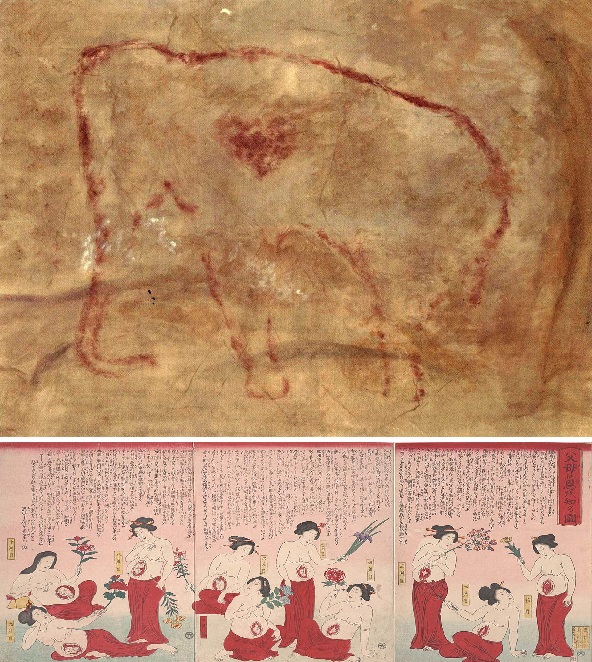
Humans have always been interested in the structure of the body and tried to study it by observing the living and the dead bodies. The accum…
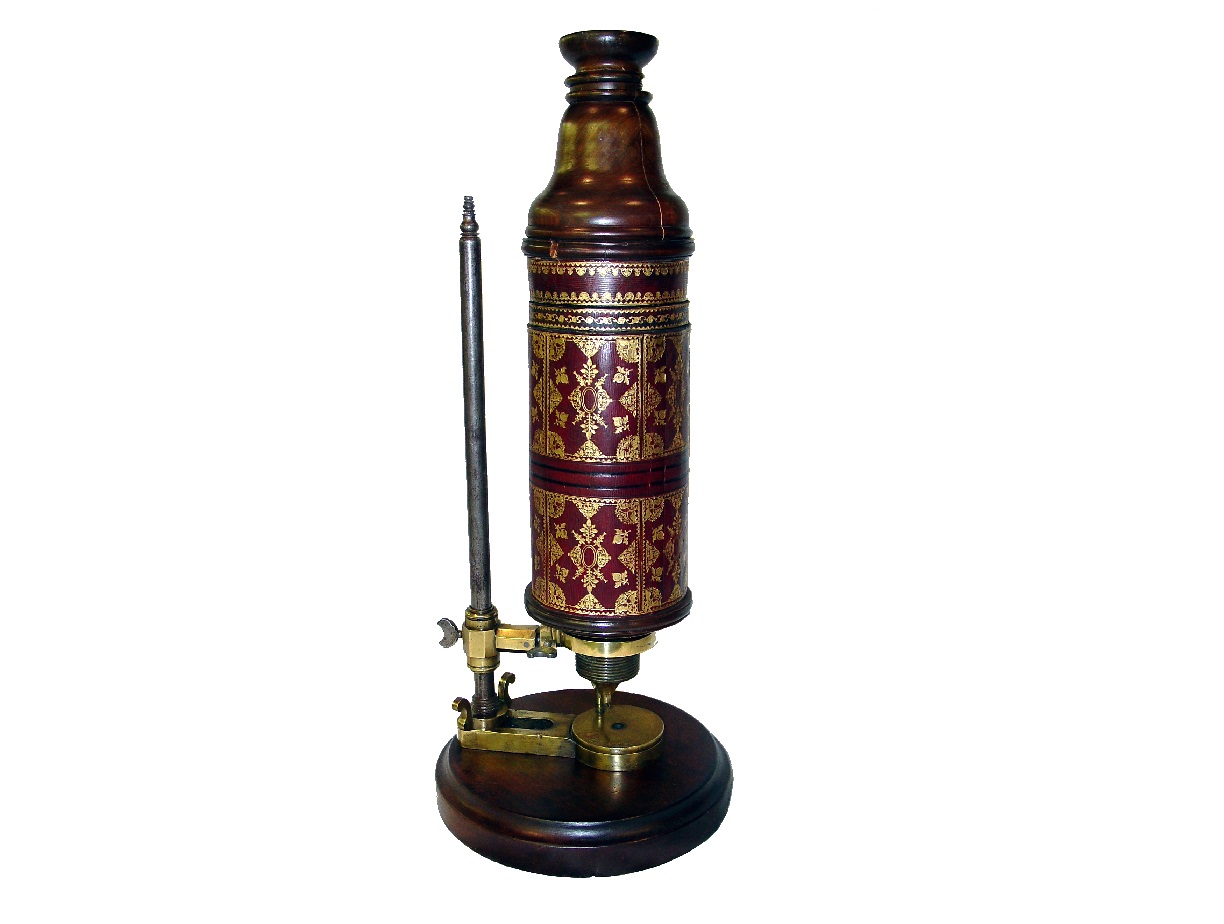
The discovery of a cell will be impossible without a microscope. The English scientist Robert Hooke (1635-1703) improved the existing simpl…

Achondroplasia is a disease caused by impaired bone growth, which can be recognized by altered proportions of the body (head and torso are o…

3 years old Anano has been diagnosed by type 1 diabetes mellitus. 25 years ago, the frequent finger prick will be required for constant cont…
3 years old Anano has been diagnosed by type 1 diabetes mellitus. 25 years ago, the frequent finger prick will be required for constant control of blood glucose levels. Nowadays the system of continuous glucose monitoring is widely used, the principle of its operation is based on wireless transmission of data on glucose levels in the blood from the sensor to the monitor device. The approach eliminates tingling and pain, that is highly important for patients with diagnosed diabetes. It has been approved by the U.S. Food and Drug Agency. Although the wireless transmission of data in case of diabetes as well as different variants of wireless communication (i.e., Bluetooth technology, Wi-Fi) are outcomes of actress Hedy Lamar (09.11.1914-19.01.2000) invention - frequency-hopping spread spectrum idea, development.

In 1952, Rosalind Franklin took the first DNA photograph that James Watson and Francis Crick used in their research without permission. Base…
In 1952, Rosalind Franklin took the first DNA photograph that James Watson and Francis Crick used in their research without permission. Based on Rosalinds data, they proposed the model of DNA structure - a double-stranded helix. Franklin was mentioned in a footnote of Watson and Creek publication. They were awarded the Nobel Prize in 1962, although Rosalind Franklin is not mentioned in this case either.

The project - kids university "Medicine and Art" of the Petre Shotadze Tbilisi Medical Academy was designed for high school pupils (X, XI, X…



We have to coexist with different microorganisms. Some of them live on surfaces of our body, others – inside our body. Most of these microor…
We have to coexist with different microorganisms. Some of them live on surfaces of our body, others – inside our body. Most of these microorganisms are harmless and their presence is essential for health maintenance. However, some of them may cause the development of infectious diseases under the appropriate conditions. One of such microorganisms is mycobacterium, it is responsible for tuberculosis development. This infectious disease mainly affects lungs. Until the twentieth century it has been considered as incurable disease. Tuberculosis has claimed the lives of many artists. One of the most tragic examples is the expressionist painter Amadeo Modigliani. He died because of tuberculosis meningitis on January 24th, 1920. His 8-month pregnant wife Jeanne committed suicide the next day.
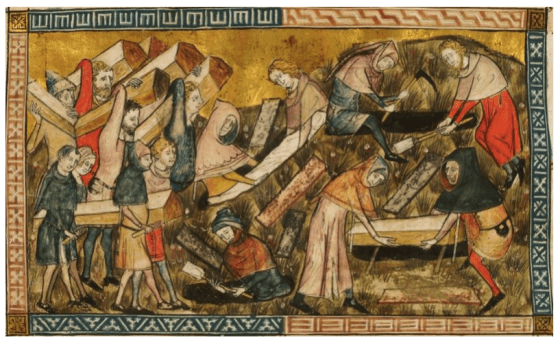
The global distribution of Infectious Disease is known for the name Pandemic (from greece pan-all, demos-population) There have been a lots …
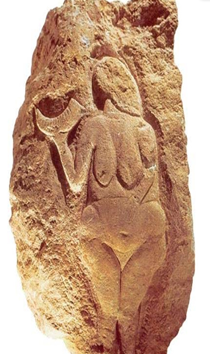
Obesity and overweight unfortunately is the disease of XXI century, which is caused mostly by the sedentary lifestyle and unhealthy diet. Ob…
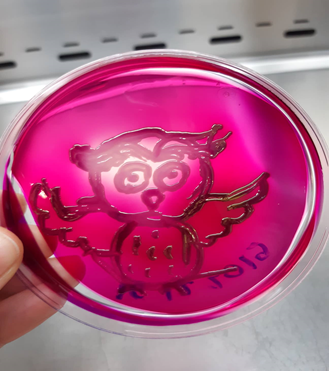
Microorganisms were and are one of the main cause of morbidity and mortality on the earth. Bacteria, fungi, viruses, parasites are more like…

Art and neuroscience have been intertwined for centuries. Surgeons and researchers those were investigating cranial cavities (i.e., Santiago…
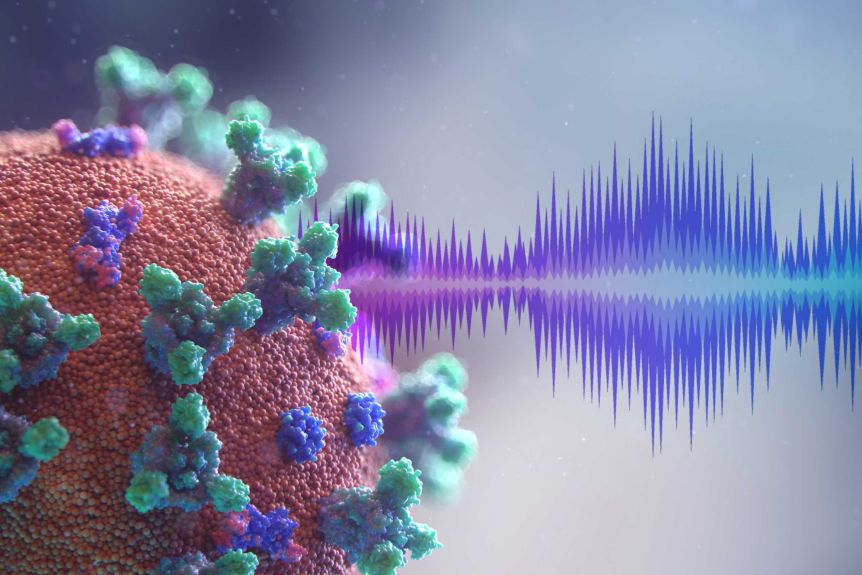
Protein is an organic substance, which ensures the realization of different functions of our body. Each protein is a unique combination of 2…
The Scientific Grants Committee of Petre Shotadze Tbilisi Medical Academy (TMA) is a collegial body that carries out different activities focused on the development of the institution's research profile. Within the framework of the TMA grant program "Facilitation of scientific-research activities", the committee evaluates the presented research projects and monitors their realization according to the established procedures.
Moreover, Scientific Granting Committee participates in the process of science management, that involves the strategic planning, coordination, and oversight of scientific research projects, programs, and initiatives. It's a multidisciplinary field that combines elements of project management, research administration, and organizational leadership to ensure the successful execution of scientific endeavors. The primary goal of science management is to optimize the efficiency, effectiveness, and impact of research activities while adhering to best practices and ethical considerations. Thus, science management is instrumental in ensuring that scientific research is conducted smoothly, efficiently, and in a way that maximizes its potential impact on society and industry.
The International Bioethics Committee of the Petre Shotadze Tbilisi Medical Academy (TMA) is a collegial body that reviews and determines the compliance of planned research projects and activities with Georgian and international legislation defined ethical norms. This committee of TMA is a member of the International Chair in Bioethics (ICB – the International Chair in Bioethics).
The International Chair in Bioethics (ICB) - On June 24th 2001 an agreement was signed by the Director-General of UNESCO and the Rector of the Haifa University, Israel, concerning the establishment of a UNESCO Chair in Bioethics at the International Center of Health, Law and Ethics, University of Haifa. Article 2 of the Agreement defined the purpose of the Chair: To coordinate and stimulate an International Network of Institutes for Medical Ethics Training, associating higher education institutes in both the developed and developing countries, and to develop an up-to-date syllabus for medical ethics education which will satisfy the requirements of medical schools in the world. The reason for that important initiative resulted from two international researches carried out by the International Centre Center for Health, Law and Ethics in 1996 and 2001. The aim of the project was to check whether the lack of proper teaching of ethics in medical schools was one of the reasons for the deterioration in the relationship between doctors and patients. Apparently, the findings offered a validation to this assumption and brought about the establishment of a Chair in Bioethics at the International Center of Health, Law and Ethics. The Chair started to establish a network of Units within academic institutes committed to disseminating, improving and monitoring education in ethics in medical schools. The agreement with UNESCO has expired, and the Chair has become an independent international organization. In 2022 an agreement of cooperation was signed between the Chair and the World Medical Association (WMA).
Science club is an activity that aims performance of research focused extra curricular and science popularization activities. In particular, critical thinking and discussion on various scientific topics through the review of related research projects and scientific publications.
Thus, science club is a dynamic and engaging community where individuals passionate about science gather to explore, learn, and discuss various scientific topics and concepts. Science clubs provide a platform for members to deepen their understanding of scientific principles, conduct experiments, and exchange ideas in a collaborative and supportive environment. The club's activities can range from hands-on experiments and demonstrations to presentations, discussions, and field trips. These activities foster curiosity, critical thinking, and a deeper appreciation for the wonders of the natural world and the scientific method. Overall, a science club serves as a hub of intellectual curiosity, discovery, and camaraderie, contributing to a deeper understanding of the natural world and fostering a lifelong appreciation for science.
The development of artificial intelligence (AI), along with progress, has also brought challenges. In this context, challenges related to academic integrity are gaining special importance. Some of the most frequently asked questions are:
Recently, AI tools such as text generators and automatic research assistants have been intensively developed and are widely available. However, it is crucial to establish ethical principles for their use, in alignment with academic integrity standards.